Tom Garfinkel, the long-standing President and CEO of the Miami Dolphins, is stepping away from his day-to-day operational responsibilities, marking a pivotal transition for one of the NFL’s most dynamic front-office executives. While the announcement signals the end of his tenure managing the daily grind of the franchise, Garfinkel remains deeply entrenched in the organization’s future. He will transition into the role of Vice Chairman and will continue his influential partnership with the Miami Grand Prix, ensuring continuity in the franchise’s diverse sports and entertainment portfolio. Simultaneously, the organization has named Daniel Sillman as the new CEO of Ross Sports & Entertainment, streamlining the leadership structure under team owner Stephen Ross.
Key Highlights
- Leadership Transition: Tom Garfinkel moves from President and CEO of the Miami Dolphins to a Vice Chairman position.
- Operational Continuity: Garfinkel will maintain his role as a partner in the Miami Grand Prix, preserving his influence on high-profile events.
- New Executive Appointment: Daniel Sillman has been appointed as the CEO of Ross Sports & Entertainment.
- Strategic Realignment: The move reflects a broader consolidation of assets under the Ross Sports & Entertainment umbrella, separating day-to-day NFL management from larger strategic ventures.
A New Era for Dolphins Leadership and Strategy
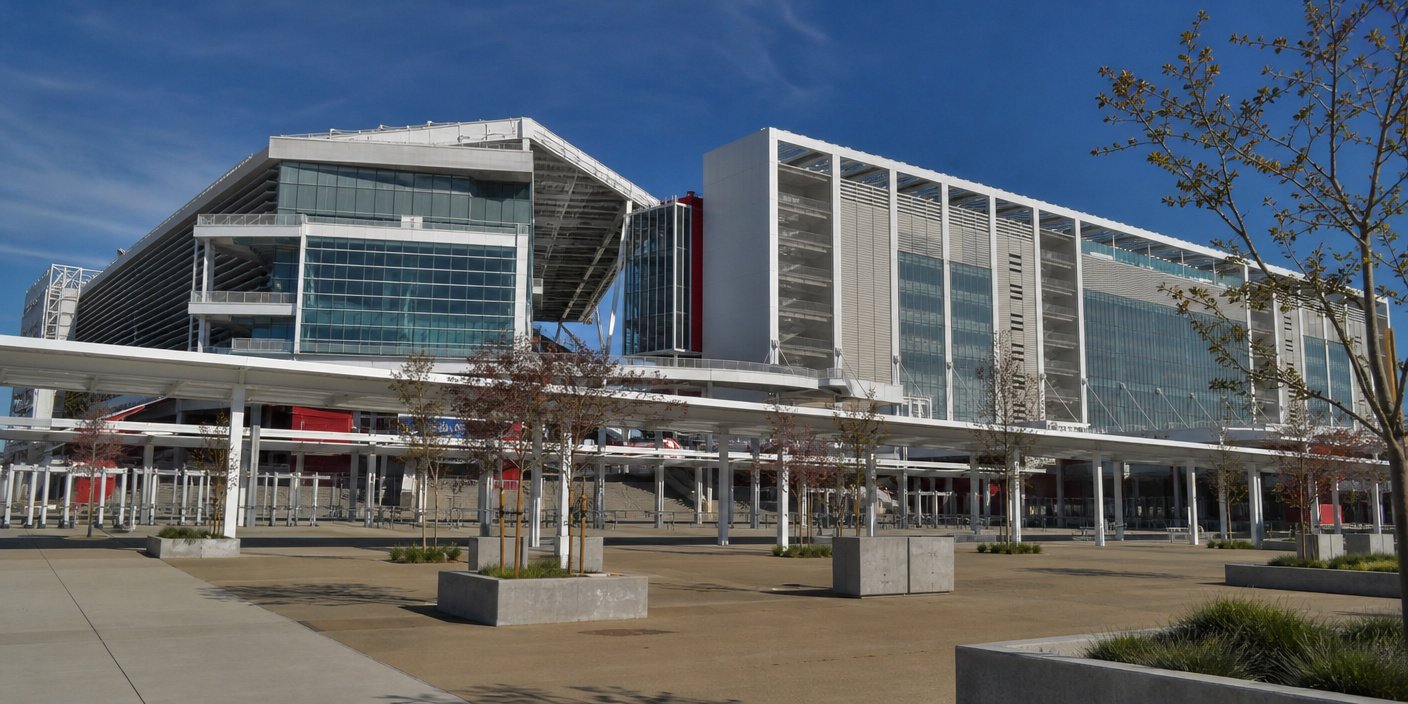
The decision by Tom Garfinkel to step back from the daily rigors of running the Miami Dolphins is not merely a change in title; it represents a strategic evolution of how the organization handles its expansive business interests. Under Garfinkel’s leadership, the Dolphins transformed from a traditional football franchise into a multifaceted entertainment juggernaut. His tenure was defined by the modernization of Hard Rock Stadium and the successful integration of the Formula 1 Miami Grand Prix, a feat that requires a delicate balance of local sports fandom and global commercial interests.
By moving into the Vice Chairman role, Garfinkel is pivoting toward the long-term vision of the franchise. The day-to-day operational burden of an NFL team—managing coaching staff relations, stadium logistics, local government partnerships, and player personnel issues—is notoriously all-consuming. By shedding these immediate responsibilities, Garfinkel is likely positioning himself to focus exclusively on high-level growth initiatives, specifically the international and racing properties that are becoming increasingly vital to the team’s balance sheet.
The Rise of Daniel Sillman and RSE
The appointment of Daniel Sillman as the CEO of Ross Sports & Entertainment (RSE) is a clear signal that owner Stephen Ross is doubling down on a holding company model. RSE serves as the nerve center for the various assets owned by Ross, which extend well beyond the gridiron. Bringing in a dedicated CEO for this entity suggests that the business of “sports and entertainment” has become too complex to be handled as a secondary function of the Dolphins’ football operations.
Sillman’s background is rooted in the intersection of finance, media, and sports, making him an ideal candidate to manage the consolidated assets of RSE. His mandate will likely involve finding synergies between the Dolphins’ local footprint and the global reach of events like the Miami Grand Prix. This is a recurring theme in modern sports management, where teams are viewed less as standalone entities and more as anchor tenants within a broader lifestyle and entertainment ecosystem. Sillman’s challenge will be to maintain the high revenue standards set by the previous leadership while navigating the changing landscape of sports media rights and fan engagement.
The Strategic Value of the ‘Holding Company’ Model
The restructuring of this leadership team highlights a growing trend among billionaire sports owners. As franchises like the Dolphins increase in valuation, the administrative complexity grows exponentially. The traditional model of a single President/CEO overseeing both football operations and stadium real estate is becoming antiquated. By separating these roles, the Dolphins are attempting to insulate their football operations from the cyclical volatility of their entertainment business, and vice versa.
This shift allows for a specialized focus. The Miami Grand Prix, for instance, operates on an entirely different calendar and regulatory structure than the NFL. By having dedicated leadership for RSE, the organization can pursue commercial partnerships and venue expansions without distracting from the primary goal of winning games. It is a sophisticated, corporate approach that reflects the maturation of the NFL into a global business powerhouse. While fans focus on the roster and the draft, the real story here is the institutionalization of the Dolphins’ front office, ensuring that the organization remains competitive in both the standings and the boardroom for decades to come.
FAQ: People Also Ask
Is Tom Garfinkel leaving the Miami Dolphins organization entirely?
No. Tom Garfinkel is stepping down from his day-to-day operational role as President and CEO, but he is staying with the organization as Vice Chairman. He will continue his association with the Miami Grand Prix.
Who is the new CEO of Ross Sports & Entertainment?
Daniel Sillman has been named the new CEO of Ross Sports & Entertainment (RSE), taking over executive control of the broader business entity.
What is the significance of the Ross Sports & Entertainment structure?
RSE acts as the holding company for Stephen Ross’s sports assets, including the Dolphins and the Miami Grand Prix. This structure allows the ownership to manage these diverse, multi-million dollar interests under a consolidated corporate strategy rather than as siloed projects.
Will this change affect the Miami Dolphins’ football operations?
Generally, this executive-level restructuring is designed to separate high-level business strategy from day-to-day football operations, likely allowing the football side to remain focused on the field while executive leadership handles the broader business portfolio.