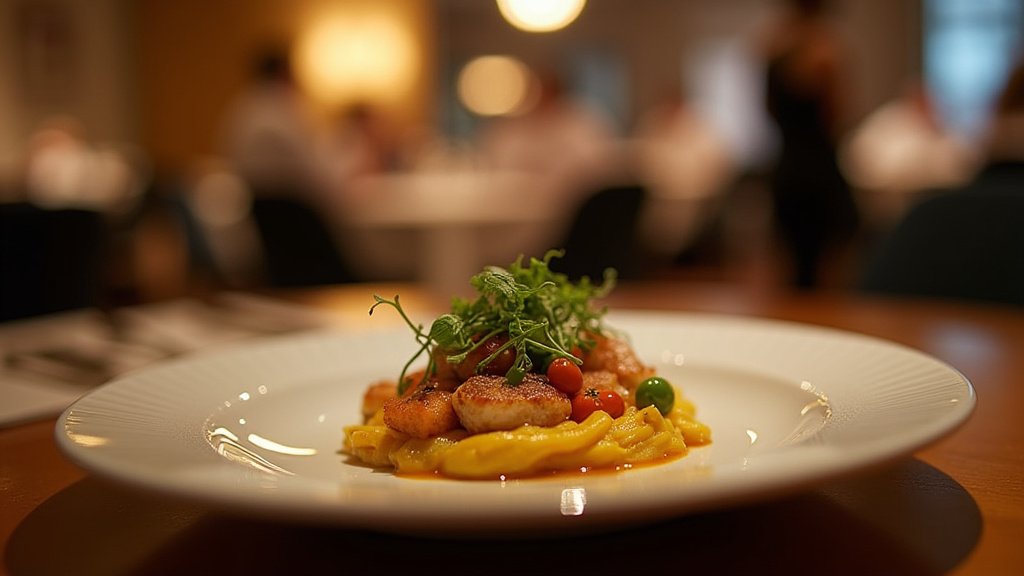
Miami Spice, the cornerstone of the region’s culinary tourism and a cultural institution organized by the Greater Miami Convention & Visitors Bureau (GMCVB), has officially reached its 25th anniversary. This milestone year is marked not merely by celebration, but by a strategic evolution in the program’s structure, most notably with the introduction of ‘Miami Spice Reserve’—a premium tier designed to showcase the city’s burgeoning status as a global gastronomic capital. While the program continues to offer accessible prix-fixe menus that invite locals and tourists alike to explore Miami’s top eateries, the addition of the Reserve tier signals a shift toward catering to the increasingly sophisticated and discerning palate of the modern diner.
The Quarter-Century Evolution
When Miami Spice first launched in 2001, the primary objective was to drive traffic to restaurants during the slower summer months, specifically August and September. It was a lifeline for the hospitality sector, designed to keep the doors open and the staff employed during the off-season. Over two and a half decades, the program has transformed from a niche promotional tactic into a primary event in the city’s cultural calendar. The 2024 edition, running through September 30, reflects this maturation. The evolution of the Miami food scene—from a tourist-friendly beach market to a Michelin-star-studded destination—is inextricably linked to the success of Miami Spice. The program has acted as a catalyst, encouraging chefs to experiment with new concepts, push price points, and draw in a clientele that might otherwise overlook the city’s less-trafficked neighborhoods.
The Reserve Tier: An Elevation in Gastronomy
Perhaps the most significant development for this silver anniversary is the rollout of the ‘Miami Spice Reserve’ tier. Historically, Miami Spice menus have been categorized by price points—typically structured as $30 or $35 for lunch and $45 or $60 for dinner. While these price points remain a bedrock of the program, the Reserve tier introduces a more flexible, higher-end structure. Reserve menus feature elevated ingredient sourcing, allowing chefs to include premium proteins like wagyu, fresh truffles, and high-grade seafood that were previously difficult to feature within strict, lower-cost price caps. This allows partner restaurants—ranging from iconic hotel dining rooms to intimate bistro hidden gems—to maintain their culinary integrity while participating in the volume-driven spirit of the program. It bridges the gap between the budget-conscious nature of a promotional event and the premium nature of fine dining.
Sustainable Dining: Beyond the Plate
In conjunction with the program’s anniversary, the GMCVB has placed a renewed emphasis on sustainability. Food waste has long been a challenge for the hospitality industry, particularly during high-volume periods. For the 25th anniversary, Miami Spice has initiated formal partnerships with sustainability-focused organizations to mitigate waste, streamline local sourcing, and reduce the overall carbon footprint of participating eateries. Chefs are being encouraged to feature menus that highlight farm-to-table practices, utilize local Floridian produce, and minimize their environmental impact through optimized prep and portioning strategies. This is not merely a marketing gimmick; it is an effort to align the city’s tourism efforts with global trends toward regenerative and responsible hospitality.
The Economic Engine of Miami Tourism
To understand the magnitude of Miami Spice, one must look at the data. The program drives significant revenue into the local economy at a time of year when tourist foot traffic would otherwise dip. By leveraging a structured promotion, the GMCVB effectively extends the peak tourist season, providing a critical revenue bridge for business owners. The 2024 season is projected to maintain this trend, with hundreds of restaurants across Miami-Dade County participating. The introduction of the Reserve tier is a strategic move to boost the average transaction value, ensuring that the economic impact of the program keeps pace with the city’s rising cost of living and operations. For the local hospitality worker, from line cooks to servers, the program represents a crucial period of consistent employment and tips.
Curating Your Miami Spice Experience
Navigating the sheer volume of participating restaurants—which often reach into the hundreds—requires a tactical approach. Diners are encouraged to utilize the digital tools provided by the GMCVB, which allow for filtering by neighborhood, cuisine type, and now, by the specific ‘Reserve’ designation. This granularity allows patrons to curate their experience, whether they are hunting for the best value lunch deal in Brickell or seeking an immersive, luxury-tier dinner experience in South Beach. As the program winds toward its September 30 conclusion, reservations are highly recommended, particularly for the more popular venues that participate in the Reserve tier. The 25th anniversary is a testament to the program’s resilience, proving that even after two decades, it remains the most effective tool in Miami’s belt for showcasing its world-class culinary identity.
FAQ: People Also Ask
Q: What are the exact dates for Miami Spice 2024?
A: The 25th anniversary program officially runs through September 30.
Q: How does the ‘Miami Spice Reserve’ tier differ from the standard menu?
A: The Reserve tier allows participating restaurants to offer higher-end menu items—such as premium cuts of meat or luxury ingredients—that fall outside the standard, lower price-point structure of the traditional Spice menus. It provides a more upscale experience at a price point that reflects the premium ingredients used.
Q: Are all restaurants required to offer a Reserve menu?
A: No. The Reserve tier is an optional addition for participating restaurants. Many venues will continue to offer standard prix-fixe lunch and dinner menus alongside their regular à la carte offerings, while some may choose to include a Reserve option as part of their participation.
Q: How is the program addressing sustainability this year?
A: For the 25th anniversary, the program has partnered with sustainability-focused organizations to help restaurants reduce food waste and prioritize local, seasonal sourcing, aiming for a more environmentally conscious approach to dining.
Q: How can I find which restaurants are participating?
A: The official website of the Greater Miami Convention & Visitors Bureau maintains a comprehensive, searchable database of all participating restaurants, which can be filtered by location, cuisine, and whether they are offering a Reserve menu.