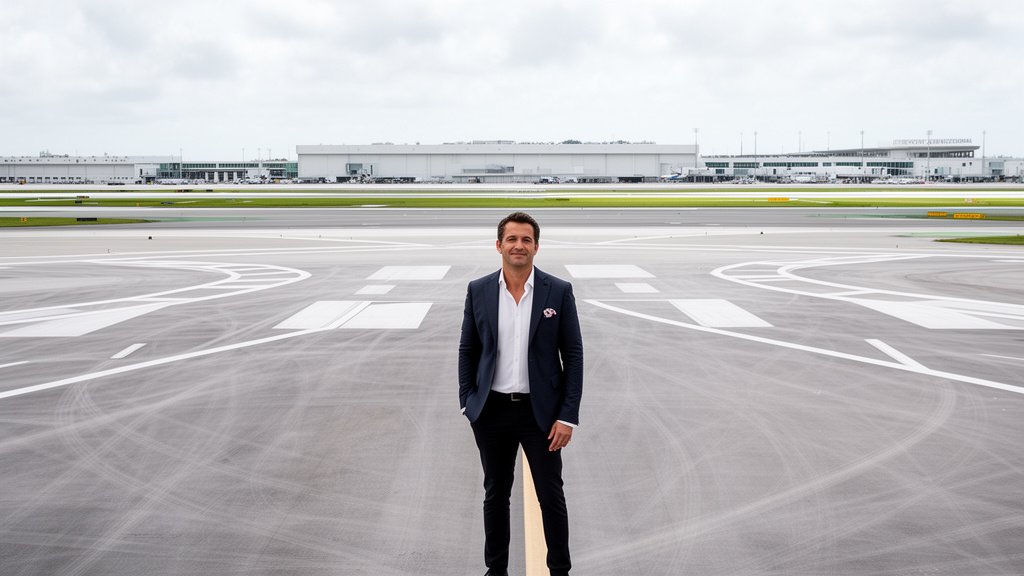
Officials have confirmed a harrowing sequence of events following the Amazon cargo plane crash at Miami International Airport, revealing that the victims involved were inside their vehicles when the aircraft overran the runway. This critical detail, verified by aviation authorities, marks a significant development in the ongoing investigation into the incident, which has prompted a comprehensive review of ground safety protocols at the facility. As the National Transportation Safety Board (NTSB) takes the lead, the recovery of vital flight data and cockpit voice recorders is expected to provide the clarity needed to understand how such a collision occurred.
Key Highlights
- Victims of the Amazon cargo plane crash at Miami International Airport (MIA) were inside their vehicles at the time of impact.
- The aircraft overran the runway, leading to the collision with ground vehicles near the operational area.
- The NTSB has successfully recovered both the flight data recorder (FDR) and the cockpit voice recorder (CVR).
- The investigation is focusing on ground safety protocols and the technical factors leading to the runway overrun.
Unpacking the MIA Runway Incident
The incident at Miami International Airport has sent shockwaves through the aviation and logistics communities. When a heavy cargo aircraft—a critical node in Amazon’s vast supply chain—overruns a runway, the immediate concern is the safety of those operating both on the aircraft and on the ground. The confirmation that the victims were in vehicles underscores the inherent risks present in the complex environment of a bustling international hub like MIA.
The Sequence of Events
Preliminary reports indicate that the aircraft was in the process of landing or maneuvering on the runway when it failed to stop within the designated area. The resulting overrun placed the aircraft on a trajectory that intersected with ground vehicle movement. For aviation safety experts, this raises immediate questions regarding the segregation of airside ground traffic and the active runway zones. The investigation will undoubtedly examine the communication logs between the flight crew and ground control, as well as the adherence to established safety corridors designed to prevent such tragic interactions.
NTSB Recovery Efforts
Following the event, the NTSB mobilized a “Go Team” to the Miami International Airport site. The immediate recovery of the flight data recorder (FDR) and the cockpit voice recorder (CVR) is a positive development. These “black boxes” are the cornerstone of any aviation investigation. The FDR will provide precise data on the aircraft’s speed, altitude, heading, and mechanical inputs leading up to the overrun. Simultaneously, the CVR will capture the communications between the pilots and potentially any alarms or alerts that sounded in the cockpit during the final moments of the flight. Investigators will use this data to reconstruct the timeline and determine if the incident was caused by mechanical failure, human error, or environmental factors such as runway surface conditions.
Operational Implications for Global Logistics
Amazon Air has become a titan in logistics, relying on the speed and reliability of air freight to satisfy global consumer demand. An event of this magnitude at a major facility like MIA is not just a localized tragedy but a significant logistical disruption. Beyond the human impact, which remains the primary focus of the investigation, the operational pause following the crash creates a ripple effect across the supply chain. Determining the cause of this runway overrun is essential for restoring the confidence of ground crews, logistics partners, and the traveling public who utilize Miami International Airport.
The Future of Ground Safety Protocols
This incident will likely serve as a catalyst for a broader industry discussion regarding airport ground safety. Airports are intricate ecosystems where moving parts—both in the air and on the ground—must operate in perfect synchronization. The NTSB’s final report will likely include safety recommendations that could mandate changes in how ground traffic is managed near active runways during landing and takeoff procedures. Such measures might include enhanced automated warning systems for vehicle operators or more restrictive zones that limit vehicle access to runways during specific landing windows. By analyzing this tragedy through a technical lens, the aviation industry hopes to prevent future occurrences and honor those impacted by ensuring that the lessons learned are translated into concrete, lifesaving changes.
FAQ: People Also Ask
What is the role of the NTSB in the Miami airport crash?
The National Transportation Safety Board (NTSB) is the independent federal agency responsible for investigating significant civil aviation accidents. Their role is to determine the probable cause of the incident and issue safety recommendations to prevent similar future events.
What do flight data recorders capture?
Flight data recorders (FDRs) capture dozens of parameters, including speed, altitude, pitch, roll, and control inputs. They are crucial for reconstructing the final minutes of a flight and identifying any mechanical anomalies.
How will this affect airport operations at MIA?
While the primary runway used for the incident may face temporary closures for evidence collection and cleanup, MIA generally has robust backup infrastructure. However, travelers should expect potential delays or schedule adjustments as the airport prioritizes safety and works closely with federal investigators.
Are there specific regulations for ground vehicles on runways?
Yes, airports have strict “movement area” regulations. Only authorized vehicles with specific radio clearance and qualified operators are typically permitted on runways. The investigation will scrutinize whether these procedures were followed at the time of the crash.