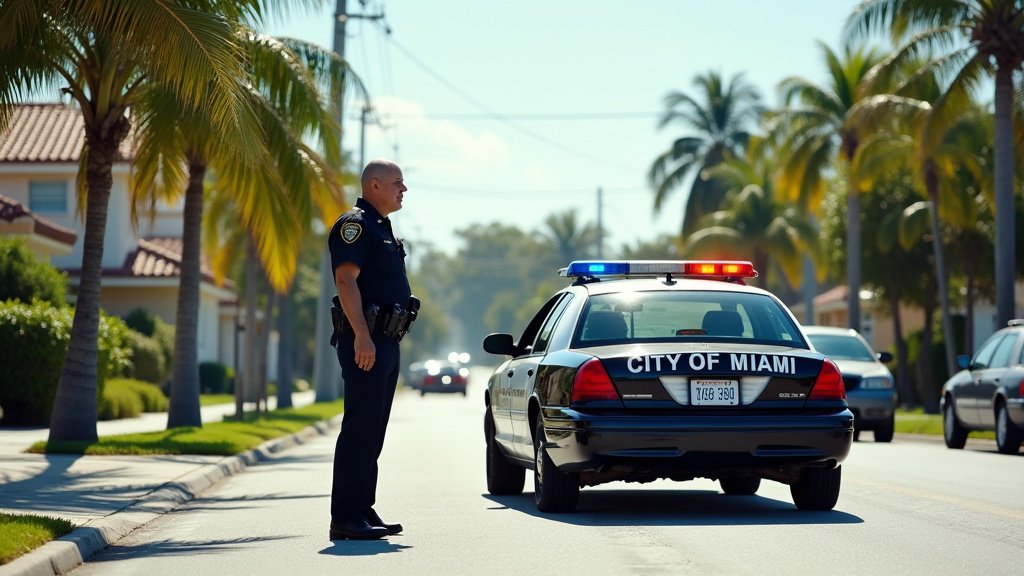
Miami-Dade Police Department (MDPD) investigators have successfully located the vehicle suspected of involvement in a tragic hit-and-run collision in Northwest Miami-Dade that resulted in the death of a 10-year-old girl and left her brother hospitalized. While the recovery of the vehicle marks a significant development in the ongoing criminal investigation, officials have confirmed that no arrests have been made as the search for the driver intensifies.
Key Highlights
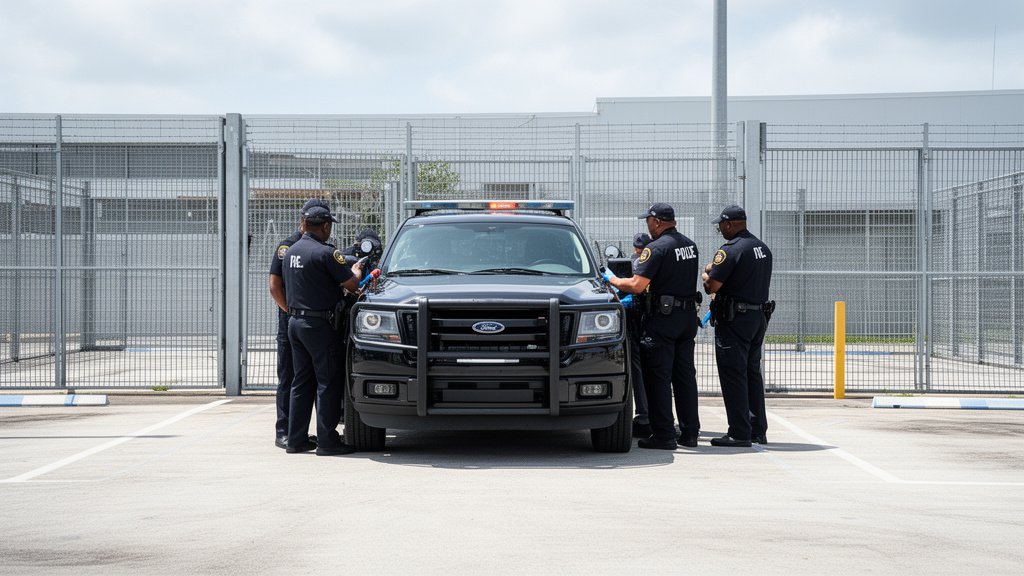
- Vehicle Located: Detectives from the MDPD Traffic Homicide Unit have secured the vehicle believed to be involved in the incident.
- Victim Status: A 10-year-old girl was killed in the collision; her brother sustained injuries and required hospitalization.
- Status of Suspect: No suspects are currently in custody, and the investigation remains active.
- Call for Assistance: Police are urging the public to come forward with any information via local Crime Stoppers channels.
The Pursuit of Justice: Investigation Updates
The recovery of the suspect vehicle is the most critical break in the case since the collision occurred. In hit-and-run incidents, the vehicle often serves as the most reliable witness. By locating the vehicle, investigators from the Miami-Dade Police Department’s Traffic Homicide Unit can now utilize forensic evidence to bridge the gap between the crime scene and the person who was behind the wheel at the time of the impact.
Modern traffic investigations are highly technical. When a vehicle is abandoned or located following a fatal collision, forensic teams comb the exterior for paint transfer, debris, and structural damage that matches the evidence collected at the crash site. Furthermore, the interior of the vehicle can yield DNA evidence, fingerprints, and digital data from onboard computer systems that may confirm the vehicle’s speed and location at the precise time of the incident. While the car has been recovered, the primary challenge remains linking the vehicle’s owner—or a person operating it with permission—to the driver’s seat during the specific timeframe of the crash. The absence of an immediate arrest suggests that the suspect may have taken steps to conceal their identity or distance themselves from the vehicle prior to its discovery by law enforcement.
The Role of Forensic Traffic Investigation
Understanding the mechanics of a hit-and-run investigation is vital to grasping why these cases often take time to resolve. When a driver flees, they typically do so out of panic or a calculated attempt to avoid the legal repercussions of leaving the scene of an accident involving death or serious bodily injury. Under Florida law, specifically Florida Statute 316.027, the consequences for failing to remain at the scene are severe, often carrying mandatory minimum prison sentences depending on the circumstances. This legislative reality creates a massive incentive for suspects to abandon their vehicles and attempt to evade detection.
Investigators in this case are likely cross-referencing surveillance footage from the surrounding Northwest Miami-Dade area with the physical evidence found on the car. Private security cameras, doorbell cameras, and traffic monitoring systems create a digital dragnet. Even in the absence of a direct witness to the crash, law enforcement can often reconstruct the route the suspect took after fleeing the scene, providing clues as to where they may have disposed of additional evidence or where they might be currently located. The recovery of the car is not the end of the investigation; it is, in many ways, the beginning of the most data-intensive phase.
Community Vigilance and the ‘Crime Stoppers’ Factor
The frustration of the community is palpable, particularly in cases involving children. The public’s role in this ongoing investigation cannot be overstated. Often, a tip from a neighbor, a friend, or an acquaintance who notices unusual behavior—such as a vehicle suddenly missing from a driveway or an individual displaying uncharacteristic anxiety—can be the missing link for detectives.
Law enforcement relies heavily on anonymous tip lines like Crime Stoppers to gather intelligence that might not appear in public records or social media. In the digital age, information travels fast, and often, individuals who have information about a driver’s identity may be hesitant to come forward due to fear of retaliation or social entanglement. Anonymous reporting systems are designed to mitigate these concerns, ensuring that the focus remains solely on achieving justice for the victims and their families. As the investigation progresses, the pressure on the suspect continues to mount. When police recover a vehicle, the suspect knows that the net is tightening. This is the stage where the suspect is most likely to make an error or where their social circle may realize the gravity of the situation and provide the authorities with the necessary information to close the case.
The Toll of Unsolved Traffic Tragedies
The psychological impact of a hit-and-run on the victim’s family is profound. Unlike accidents where the driver remains to render aid, the act of fleeing adds a layer of malice that exacerbates the trauma. The uncertainty regarding the identity of the driver leaves the family in a state of suspended grief, unable to seek the closure that comes with a formal legal proceeding. The Miami-Dade community, known for its resilience, has rallied around the affected family, emphasizing the need for safer streets and the absolute necessity of driver accountability.
As the MDPD continues its work, the focus remains on transforming the physical evidence into a criminal case. The authorities have the car; the next step is connecting that physical object to a specific person. In cases like this, it is rarely a matter of ‘if’ but ‘when’ the authorities will break through the remaining barriers. The persistence of the Traffic Homicide Unit is, in these moments, the only buffer between chaos and justice for the family of the 10-year-old girl whose life was so abruptly taken.
FAQ: People Also Ask
What are the potential legal consequences for the driver in this hit-and-run?
In Florida, leaving the scene of a crash involving death or serious injury is a felony. Penalties are severe and, upon conviction, can include substantial prison time, heavy fines, and the permanent revocation of driving privileges. The severity often depends on whether the driver was under the influence at the time of the crash.
How can the public help if they have information?
Individuals with information are urged to contact the Miami-Dade Police Department or Crime Stoppers. Tips can often be submitted anonymously. Even small details, such as observing the vehicle in a different location or seeing a driver acting suspiciously, can provide the break investigators need.
Why haven’t there been any arrests if the car was found?
Locating a vehicle is a major development, but investigators must verify who was driving the car at the time of the collision. They need to secure forensic evidence (DNA, fingerprints) or digital records (phone data, surveillance footage) to prove beyond a reasonable doubt that the suspect was behind the wheel when the incident occurred.