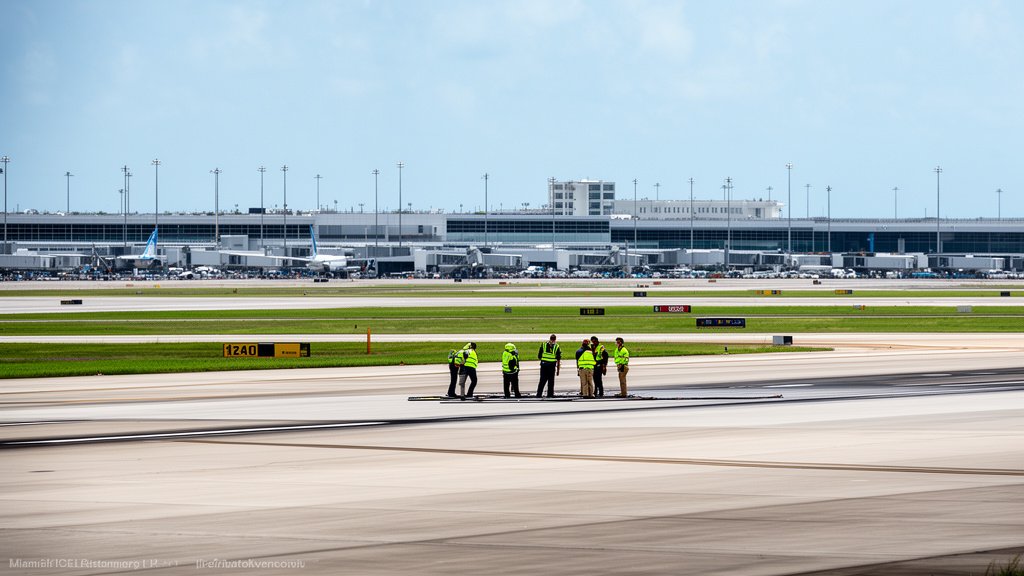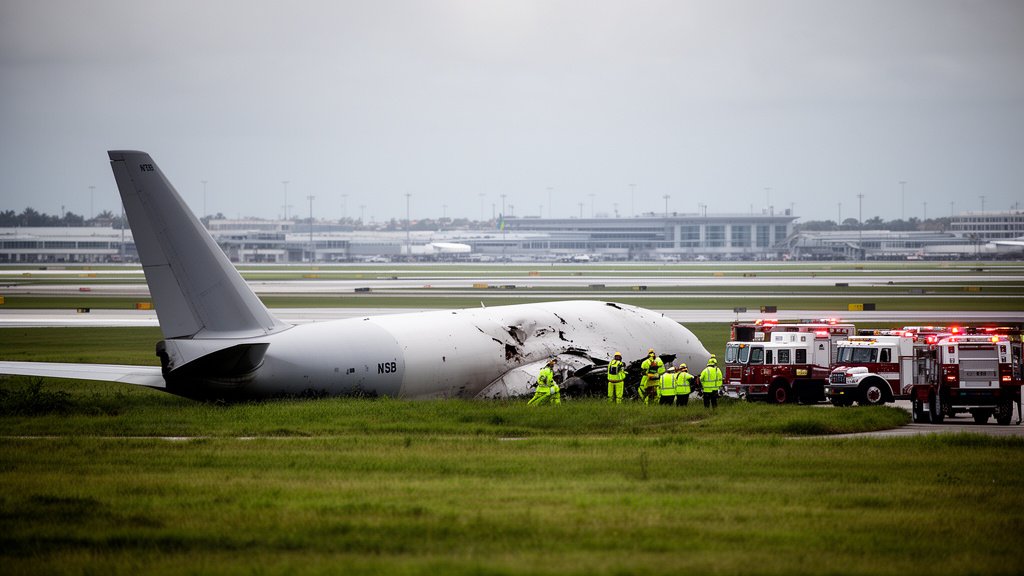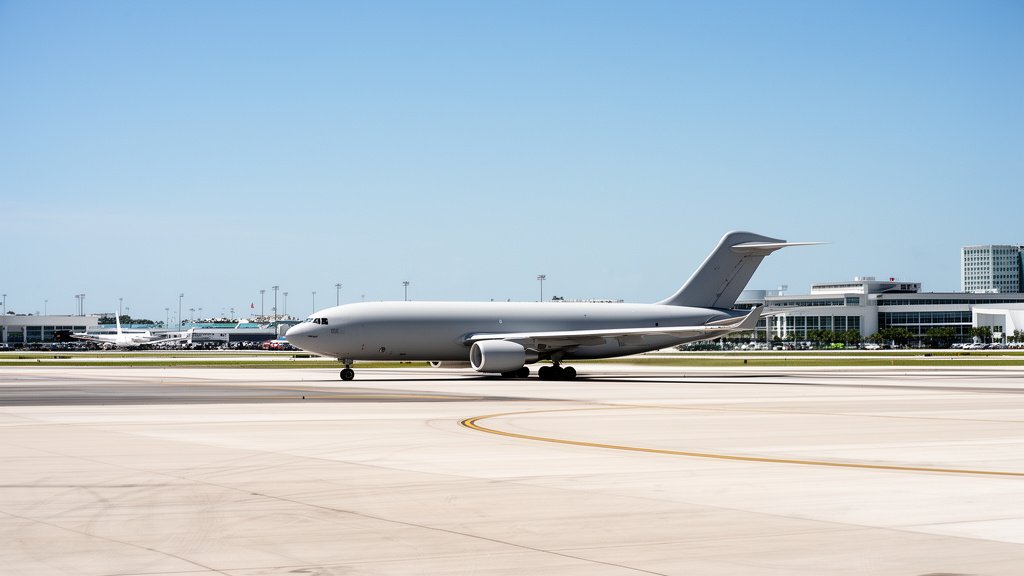
Amazon has officially suspended its partnership with 21 Air following the deadly cargo plane crash in Miami last week that resulted in five fatalities. The e-commerce giant’s decisive action marks a significant shift in its logistics risk management strategy, as it seeks to distance its Prime delivery infrastructure from the carrier while federal authorities launch a comprehensive investigation into the incident. The suspension applies to all cargo transport services previously managed by 21 Air on behalf of Amazon.
Key Highlights
- Immediate Suspension: Amazon has ceased all operations with 21 Air, effectively removing the carrier from its active third-party logistics network.
- Tragic Incident: The decision follows a fatal cargo plane crash near Miami that resulted in the loss of five lives.
- Federal Investigation: Amazon is cooperating fully with the National Transportation Safety Board (NTSB) and Federal Aviation Administration (FAA) to determine the cause of the disaster.
- Logistics Realignment: The company is currently rerouting affected cargo volumes to other partners to maintain delivery continuity for Prime members.
The Decoupling: Amazon’s Strategic Response to Aviation Tragedy
The abrupt termination of the contract with 21 Air underscores the high-stakes environment of modern logistics, where corporate reputation and operational safety are inextricably linked to third-party partnerships. Amazon’s decision to cut ties is not merely a logistical pivot; it is a defensive move designed to insulate the Prime brand from the fallout of a catastrophic safety failure. In the immediate aftermath of the Miami incident, the aviation community and industry analysts have been quick to scrutinize the vetting processes Amazon utilizes for its air cargo contractors.
Investigating the 21 Air Operational Failure
At the center of this crisis is the investigation currently being spearheaded by the NTSB. The crash, which occurred off the Miami runway during a standard cargo transit, is being treated as a high-priority incident by federal regulators. Sources familiar with the preliminary report indicate that the investigation is focusing on a convergence of factors: mechanical maintenance history, crew fatigue management, and meteorological conditions present at the time of the approach.
For 21 Air, the suspension by a client as significant as Amazon creates an existential threat. Amazon Air represents a substantial portion of the volume for many regional and mid-sized cargo carriers. By severing this relationship, Amazon has sent a clear signal to the rest of its logistics network: safety non-compliance or catastrophic failures are grounds for immediate separation. The carrier is now faced with the dual challenge of defending its operational record before federal regulators while simultaneously managing the financial fallout of losing its primary revenue stream.
The Fragility of the Prime Delivery Network
While the human tragedy remains the focal point, the economic ripples are being felt across the supply chain. Amazon has built its “two-day” and “same-day” delivery promises on a massive, integrated web of aviation, trucking, and last-mile delivery services. The reliance on “contract carriers” like 21 Air allows Amazon to scale rapidly, but it introduces volatility when those partners fail to meet safety benchmarks.
Industry experts note that Amazon has been steadily moving toward an in-house fleet of aircraft, managed by companies like Atlas Air and ATSG, yet it still leans on smaller third-party carriers to handle peak capacity. This crash has reignited the debate regarding the oversight of these outsourced logistics nodes. The incident serves as a stark reminder that even as Amazon pushes for faster, more autonomous supply chain solutions, it remains tethered to the traditional complexities and risks of aviation regulations.
Regulatory Scrutiny and Future Safety Mandates
The FAA is expected to intensify audits of all small-to-mid-sized air cargo carriers operating under the Amazon umbrella. This represents a potential “chilling effect” on the air cargo sector. Expect to see new, stringent safety mandates regarding maintenance reporting, pilot training logs, and real-time aircraft telemetry.
For the consumer, the impact is expected to be minimal in the short term, as Amazon possesses robust contingency capabilities. The company is already redistributing volume to its proprietary fleet and other vetted partners. However, the long-term cost of these services may rise as carriers are forced to invest more heavily in safety compliance and oversight measures—costs that will inevitably be passed on to the logistics chain. As the investigation progresses, the focus will remain on the “black box” data and the specific decisions made by the flight crew in the minutes leading up to the crash. Until those findings are finalized, the aviation industry will watch closely to see if this incident acts as a catalyst for a broader overhaul of air cargo safety protocols.
FAQ: People Also Ask
1. Will my Amazon packages be delayed due to this suspension?
Amazon has stated that it is proactively rerouting cargo to other partners within its extensive logistics network. While minor, localized delays may occur during the transition period, the company expects to maintain its delivery standards for Prime members.
2. Is 21 Air permanently banned from Amazon?
While Amazon has used the word “suspended,” industry precedent suggests that a permanent termination is highly likely pending the results of the NTSB investigation. Reinstatement would require 21 Air to clear significant regulatory hurdles and regain Amazon’s confidence in their safety protocols.
3. What is the role of the NTSB in this investigation?
The National Transportation Safety Board (NTSB) is responsible for determining the probable cause of the crash. They analyze wreckage, flight data recorders, maintenance records, and operational history to issue safety recommendations aimed at preventing future occurrences. Their findings will be critical in deciding the legal and regulatory future of 21 Air.