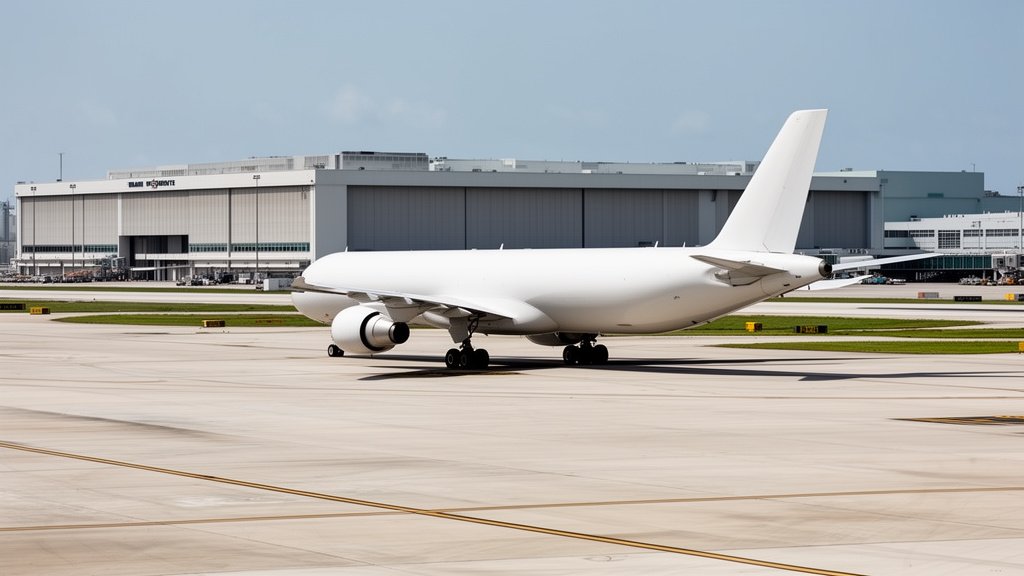
In a move reflecting the increasingly fragile ecosystem of global e-commerce logistics, Amazon has terminated its contract with the cargo carrier 21 Air. This decision follows a devastating incident on September 6, where a 21 Air cargo flight suffered a fatal runway excursion at Miami International Airport, resulting in the loss of five lives. The swift termination of the partnership highlights the intense pressure Amazon faces to maintain its supply chain integrity while managing the significant safety risks inherent in outsourcing critical logistics operations.
The Incident: Anatomy of a Runway Excursion
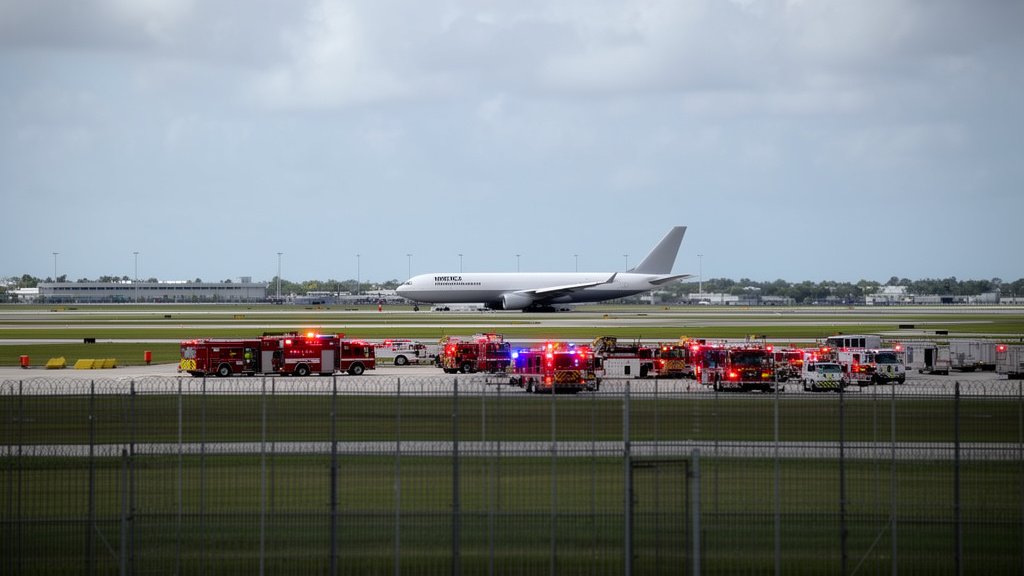
The events of September 6 at Miami International Airport have sent shockwaves through the air cargo industry. A runway excursion—an event where an aircraft departs the runway during take-off or landing—is among the most hazardous scenarios in aviation. While the investigation remains ongoing, preliminary reports suggest that the aircraft failed to maintain directional control while operating on the tarmac, leading to the catastrophic event. Five individuals lost their lives, triggering immediate responses from both aviation safety regulators and the companies directly involved.
Runway excursions can be caused by a variety of factors, including weather conditions, mechanical failure, pilot error, or runway surface conditions. In the context of Miami, a major hub for international cargo, the complexity of airport operations often pushes the limits of carrier capabilities. The loss of life in this incident necessitates a rigorous review of 21 Air’s standard operating procedures (SOPs) and fleet maintenance history.
Amazon’s Supply Chain Accountability
Amazon’s rapid growth has relied heavily on its ‘Amazon Air’ network, a logistics arm that functions as a high-speed delivery backbone. To scale effectively, the company has historically utilized a mix of owned aircraft and third-party contractors like 21 Air. However, this model of outsourcing creates a complex web of liability. By severing ties with 21 Air, Amazon is attempting to insulate its brand reputation from the fallout of the tragedy while asserting its power as a dominant force in the shipping industry.
This termination is not just a logistical pivot; it is a defensive maneuver. Large e-commerce retailers are increasingly under the microscope for their third-party logistics (3PL) relationships. When a tragedy occurs, the public often conflates the subcontractor’s failure with the primary brand. Amazon’s prompt action is designed to signal to stakeholders and consumers that safety remains a paramount concern, even at the cost of immediate supply chain disruption.
21 Air Under Scrutiny: Operational Challenges
The suspension of 21 Air raises difficult questions regarding the oversight of mid-sized air cargo carriers. These operators often function under tight margins, handling high-demand cargo routes for major retailers. The scrutiny now shifts to the carrier’s maintenance cycles, training protocols for flight crews, and the internal safety culture that may have contributed to the September 6 failure.
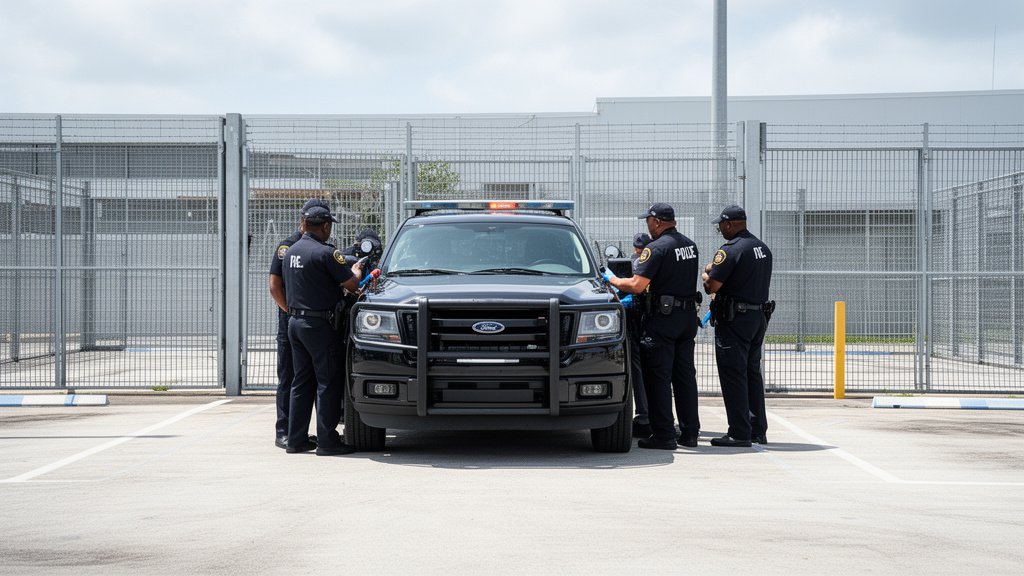
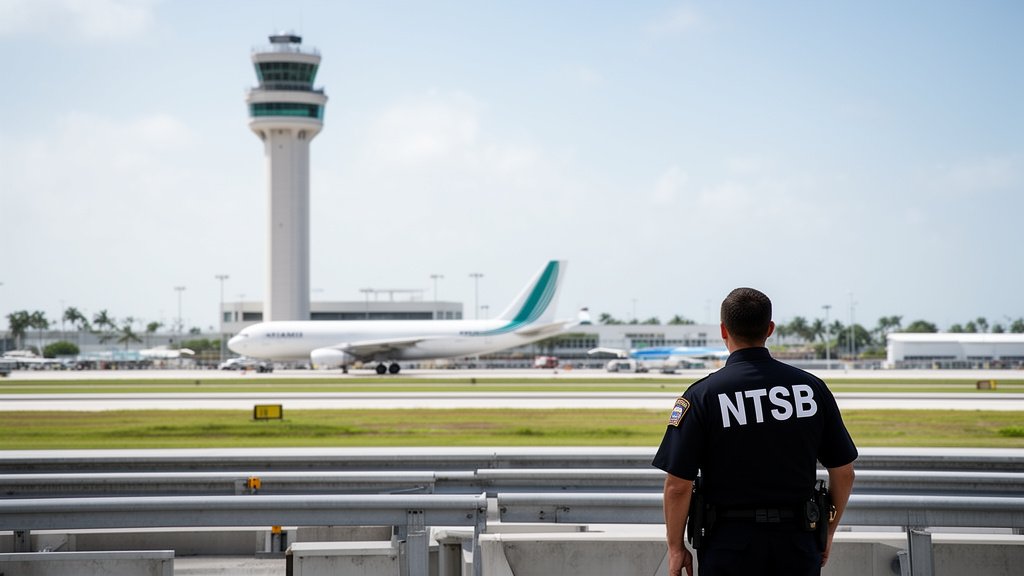
Regulatory bodies, including the Federal Aviation Administration (FAA) and the National Transportation Safety Board (NTSB), are expected to conduct comprehensive audits of the carrier’s operations. The suspension by Amazon adds a significant financial and reputational layer to these investigations. For 21 Air, the road to restoring operational viability will be arduous, requiring not only technical clearance but also the restoration of trust with major corporate clients.
The Future of Outsourced Logistics and Safety
The fatal incident at Miami International Airport serves as a stark reminder of the risks involved in air freight. As demand for ‘two-day’ and ‘same-day’ delivery continues to drive aviation logistics, the industry must grapple with the potential for ‘speed-at-all-costs’ cultures to compromise safety. Industry analysts suggest that this event could lead to a trend of tighter safety compliance mandates in carrier contracts. Moving forward, companies like Amazon will likely demand greater transparency, real-time safety data access, and more rigorous pilot training standards from their third-party partners.
This shift could reshape the economics of air cargo. If higher safety standards lead to increased operational costs for carriers, these costs will inevitably trickle down to the consumer or be absorbed by the retailer. Nevertheless, the cost of a runway excursion, measured in human lives, is a price the industry cannot afford to pay repeatedly.
FAQ: People Also Ask
Q: What caused the 21 Air flight incident in Miami?
A: While an official investigation by the NTSB is ongoing, the incident is classified as a runway excursion that occurred on September 6 at Miami International Airport, tragically resulting in five fatalities.
Q: How does Amazon’s suspension of 21 Air affect current shipments?
A: Amazon has begun the process of rerouting cargo to other air carriers within its network. While this may cause temporary minor delays in specific regions, the company maintains a redundant fleet and backup contracts to minimize disruption.
Q: What is a runway excursion in aviation terms?
A: A runway excursion is an incident where an aircraft departs the runway surface, either during take-off or landing. This can involve overrunning the runway, veering off the side, or experiencing a partial departure due to loss of control.
Q: Will 21 Air face regulatory action beyond the Amazon contract suspension?
A: Yes, the Federal Aviation Administration (FAA) and the National Transportation Safety Board (NTSB) will conduct extensive investigations into the incident, which could lead to grounded fleets, mandatory training overhauls, or the revocation of operating certificates depending on their findings.