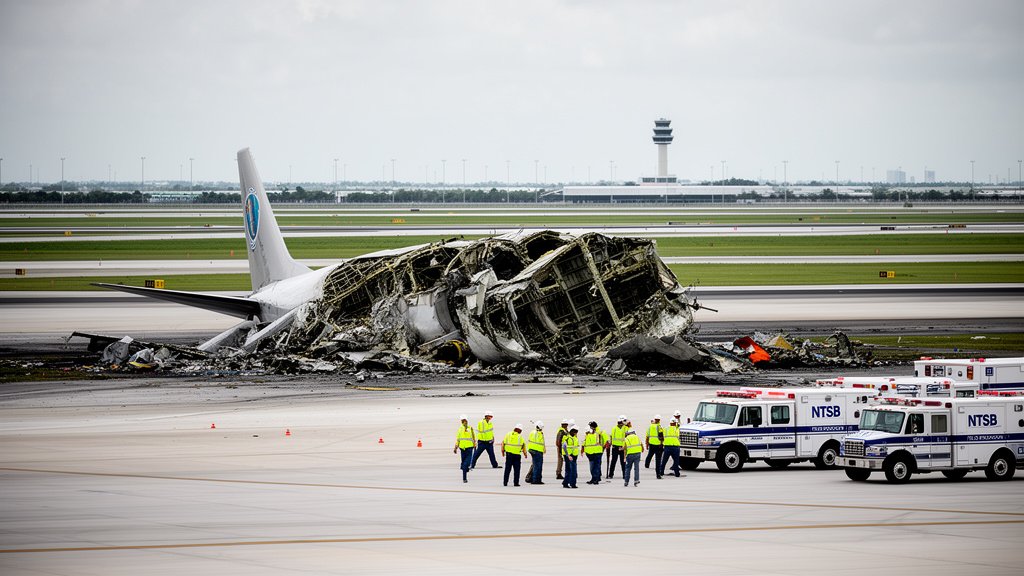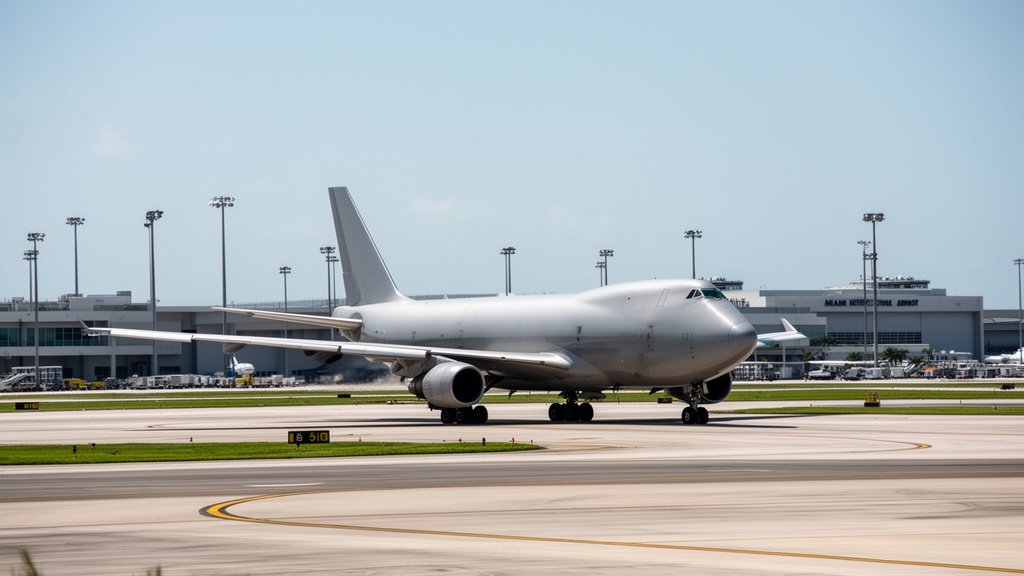
In the wake of a catastrophic aviation event on September 6, Amazon has officially moved to suspend its logistics partnership with 21 Air, the cargo carrier responsible for a fatal plane crash at Miami International Airport (MIA). The incident, which resulted in the tragic loss of five lives, has sent shockwaves through the aviation and e-commerce industries, forcing a re-evaluation of the safety standards governing third-party freight carriers within Amazon’s sprawling global logistics network.
Key Highlights
- The Incident: A 21 Air cargo aircraft suffered a fatal crash at Miami International Airport on September 6, resulting in five confirmed fatalities.
- The Suspension: Amazon has immediately halted all operational use of 21 Air, effectively terminating the carrier’s involvement in the Amazon Air cargo network.
- Safety Scrutiny: The decision highlights the precarious nature of outsourced air logistics and the intense pressure on Amazon to maintain stringent safety compliance among its contract fleet.
- Regulatory Outlook: The Federal Aviation Administration (FAA) and National Transportation Safety Board (NTSB) are actively investigating the cause of the runway excursion and mechanical failure.
The Strategic Decoupling of Logistics and Liability
The suspension of 21 Air represents more than just a logistical adjustment; it marks a significant shift in how Amazon manages its reputation and operational liability. For years, the retail giant has relied on a complex patchwork of third-party operators to power its “Amazon Air” service—a strategy designed to bypass the capital expenditure of owning and maintaining an entire fleet of cargo aircraft while retaining the ability to scale capacity dynamically.
The Anatomy of the Amazon Air Model
Amazon’s strategy centers on a “hub-and-spoke” model, heavily reliant on contractors like 21 Air, Air Transport Services Group (ATSG), and Atlas Air. By outsourcing the flight operations, Amazon creates a layer of separation between its e-commerce operations and the aviation safety risks inherent in cargo transportation. However, the tragedy at Miami International Airport has pierced this layer of abstraction. When a fatal incident occurs, the association between the cargo on the plane—often Amazon-branded parcels—and the carrier becomes inextricable in the public consciousness.
By severing ties with 21 Air, Amazon is executing a classic corporate risk-mitigation strategy. The move serves two purposes: it distances the parent brand from the specific incident under investigation by the NTSB, and it sends a powerful signal to other third-party contractors that Amazon’s contractual commitments are conditional upon unyielding adherence to safety protocols. This “zero-tolerance” approach is designed to insulate the Amazon brand from potential litigation and reputational damage arising from the active investigation into the carrier’s pre-flight maintenance logs and operational history.
Analyzing the Safety-Efficiency Paradox
The incident also brings to the forefront a long-standing debate in logistics: the “Safety-Efficiency Paradox.” The rise of one-day and same-day delivery has placed unprecedented pressure on air cargo carriers to maintain tight schedules. While there is no current evidence suggesting that schedule pressure contributed to the September 6 crash, industry analysts are questioning whether the intense pace of the modern e-commerce supply chain creates an environment where cutting corners becomes systemic.
In the aftermath of the crash, industry experts are calling for a more rigorous vetting process for “on-call” or “charter” cargo carriers. Unlike long-haul passenger airlines, which are often subject to different tiers of scrutiny, the charter cargo sector operates with more variability. 21 Air, while certified, now faces the scrutiny of federal investigators regarding their fleet’s age, maintenance schedules, and crew training standards. Amazon’s suspension effectively removes a key player from the board, but it also creates a capacity void that will need to be filled by other, potentially higher-cost or more vetted, operators.
Economic Impact and Supply Chain Volatility
The immediate effect of this suspension is, naturally, a disruption in Amazon’s Miami-based logistics lanes. For a company that processes thousands of flights per month, losing a carrier partner is a logistical headache that requires rapid redistribution of cargo routes. However, the economic impact extends beyond the immediate redistribution of freight.
We are likely to see a tightening of standards in the contract cargo market. If Amazon, the largest client for many of these regional and boutique carriers, demands higher levels of safety auditing, these carriers will be forced to increase their investment in maintenance and safety compliance software. This is a “cost-of-doing-business” increase that will inevitably trickle down through the supply chain. While consumers might not see an immediate spike in shipping costs, the era of “low-cost, high-speed” air cargo may soon face a correction toward “high-reliability, high-cost” logistics.
The Future of Oversight
As the NTSB continues to analyze the black box data and wreckage from the MIA crash site, the industry waits to see if specific maintenance failures or pilot fatigue will be cited as contributing factors. Amazon’s decision to cut ties is a preemptive strike against being caught in the fallout. It is a calculated move to ensure that, regardless of the NTSB’s final report, the company maintains the narrative that it does not tolerate safety lapses in its partners. The question remains: is this a one-off reaction to a localized tragedy, or the beginning of a broader, more centralized Amazon initiative to bring more of its air cargo operations in-house to gain total control over safety and quality control?
FAQ: People Also Ask
Q: What happens to the cargo that was on the flight?
A: In the event of an aviation crash, cargo is typically treated as part of the evidence for the NTSB investigation. Once cleared, insurers and legal entities manage the process of claims, which is a lengthy bureaucratic procedure separate from the airline’s operational status.
Q: Will this suspension lead to shipping delays for Amazon customers?
A: In the immediate term, there may be localized impacts to specific flight routes serviced by 21 Air. However, Amazon has a highly redundant logistics network and is likely to pivot volume to other existing carrier partners to minimize consumer-facing delays.
Q: Why does Amazon use third-party carriers like 21 Air instead of owning its fleet?
A: Outsourcing allows Amazon to avoid the massive capital expenditure of buying aircraft, hangar space, and hiring pilots, while also allowing for flexible scaling. It shifts the burden of operational maintenance and labor negotiations onto the third-party partner.
Q: Is 21 Air permanently banned from Amazon?
A: While Amazon has suspended its partnership, these types of corporate decisions are often subject to legal review and future contractual renegotiations. However, given the severity of the incident, a long-term ban is the most probable outcome.
Q: What is the NTSB’s role in this specific situation?
A: The NTSB is the lead federal agency responsible for investigating civil aviation accidents in the U.S. They will determine the probable cause of the crash, which will likely serve as the foundational evidence for any legal actions taken against 21 Air.