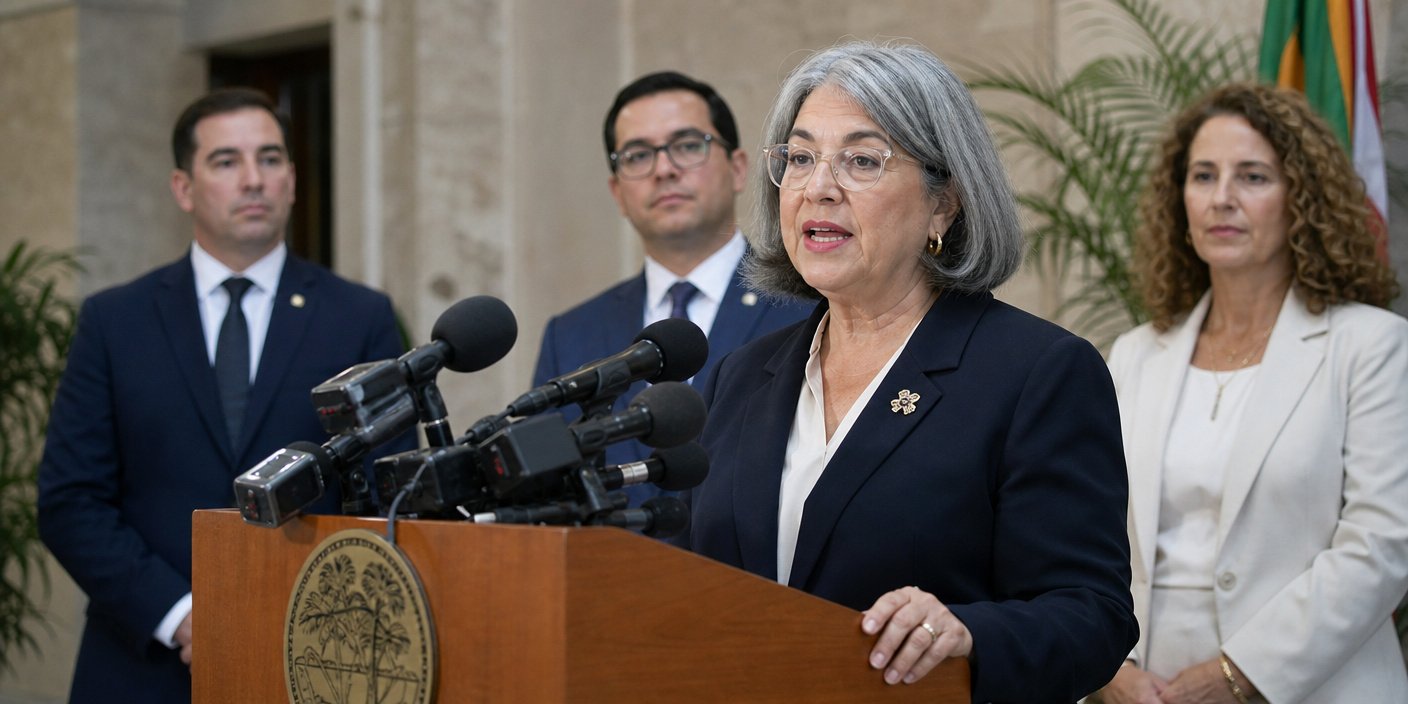
Miami-Dade Mayor Daniella Levine Cava has issued a stern critique regarding the inclusion of Russian President Vladimir Putin in the upcoming G20 summit, slated to be hosted at the Trump National Doral resort this December. The Mayor’s opposition is rooted in the ongoing Russian invasion of Ukraine and the potential friction such a high-profile, controversial diplomatic meeting could cause within Miami-Dade’s substantial and diverse refugee communities. As the region prepares for the logistics and security challenges associated with the Group of Twenty, the Mayor’s dissent highlights the growing intersection between local governance and international geopolitics.
Key Highlights
- Diplomatic Opposition: Mayor Daniella Levine Cava explicitly opposes the invitation of Vladimir Putin to the Doral summit, citing the ongoing war in Ukraine as the primary driver.
- Community Impact: The Mayor underscored the concerns of Miami-Dade’s diverse diaspora, particularly the refugee populations who have fled the exact conflicts the current Russian administration continues to perpetuate.
- Venue Scrutiny: The decision to host the international G20 summit at the Trump National Doral resort has drawn attention to the complex logistical and security challenges posed by the venue’s location.
- Event Timeline: The summit is scheduled for December, placing pressure on local authorities to manage security while addressing widespread public dissent regarding the guest list.
Diplomacy at the Doorstep: The Doral Controversy
The announcement that the G20 summit would convene at the Trump National Doral resort in December has transformed a quiet suburb of Miami into a flashpoint for international debate. For Mayor Daniella Levine Cava, the decision to welcome President Vladimir Putin is not merely a logistical challenge—it is a moral contradiction to the values held by the residents of Miami-Dade. The Mayor’s office has signaled that the optics of hosting a leader currently under international sanctions, and who is central to the ongoing conflict in Eastern Europe, creates an untenable environment for a local community that prides itself on being a haven for those displaced by authoritarian regimes.
The Humanitarian Implications
South Florida has long been a sanctuary for refugees from around the globe, including significant populations from Eastern Europe and Central Asia who have direct experience with the geopolitical strategies employed by the Kremlin. Mayor Levine Cava’s criticism is deeply tied to this demographic reality. By inviting a figurehead of the invasion of Ukraine to a high-profile summit in their backyard, the Mayor argues that the event risks alienating the very constituents she represents. The protest is not just against the individual; it is a rejection of the normalization of a leader whose policies have directly caused humanitarian crises on a global scale. This stance aligns with the Mayor’s broader political strategy of prioritizing the rights and sentiments of the local immigrant and refugee community over traditional, albeit controversial, diplomatic protocols.
Security and Logistical Hurdles
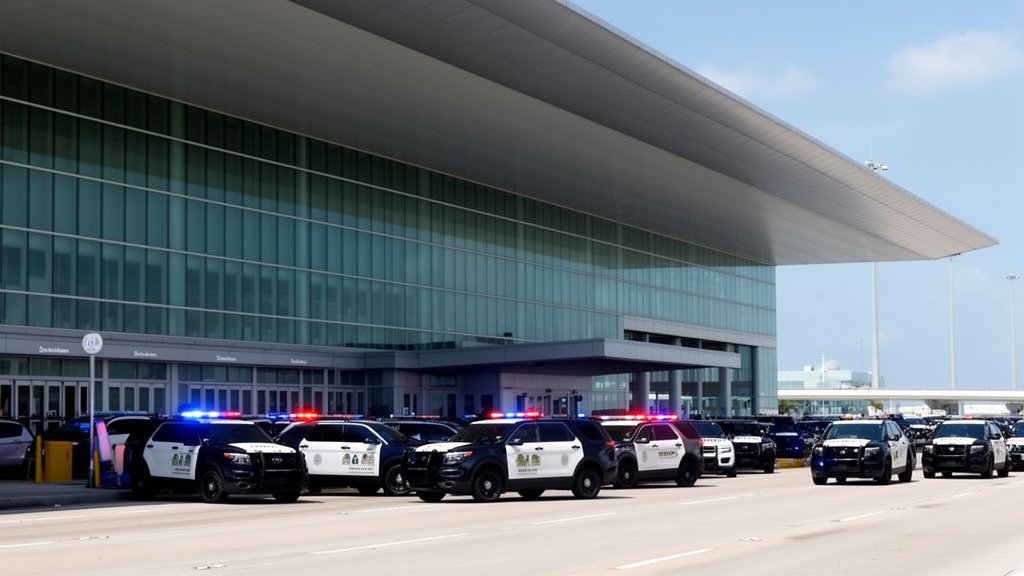
The G20 summit requires an extraordinary level of security, involving coordination between the Secret Service, local law enforcement, and federal agencies. Hosting this at a private commercial resort like Trump National Doral presents unique complications. Unlike a purpose-built convention center in a major metropolitan hub, a golf resort requires extensive perimeter security that could disrupt the daily lives of Doral residents. Mayor Levine Cava’s pushback highlights the strain that such an event places on city resources. The potential for large-scale protests, coupled with the heightened security requirements for a high-risk world leader, suggests that the December timeline may be fraught with civil unrest. The Mayor is effectively warning that the city’s resources—typically earmarked for public services—will be stretched thin to accommodate a summit that a significant portion of the local population finds objectionable.
The Geopolitical Ripple Effect
This controversy also illuminates the shifting nature of the G20, which has increasingly become a stage for global posturing rather than strictly economic cooperation. The selection of the Trump National Doral as the venue has injected a new layer of partisan and geopolitical complexity into the summit. By centering the criticism on the invitation of Vladimir Putin, Mayor Levine Cava is participating in a wider national dialogue regarding the limits of diplomacy. The question remains: can a local government effectively signal its disapproval of federal-level international relations? This incident tests the boundaries of municipal power, as the Mayor attempts to align local foreign policy stances with the lived realities of her constituents, even as the federal government moves ahead with its planned hosting duties. The coming months will likely see increased tension between the local administration and the event planners, as the December deadline approaches and the political heat intensifies.