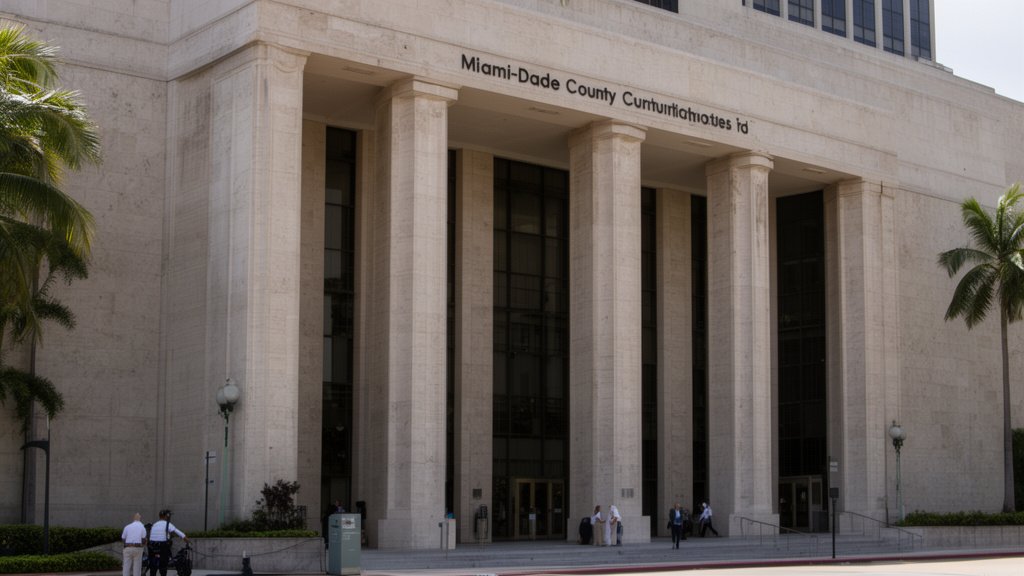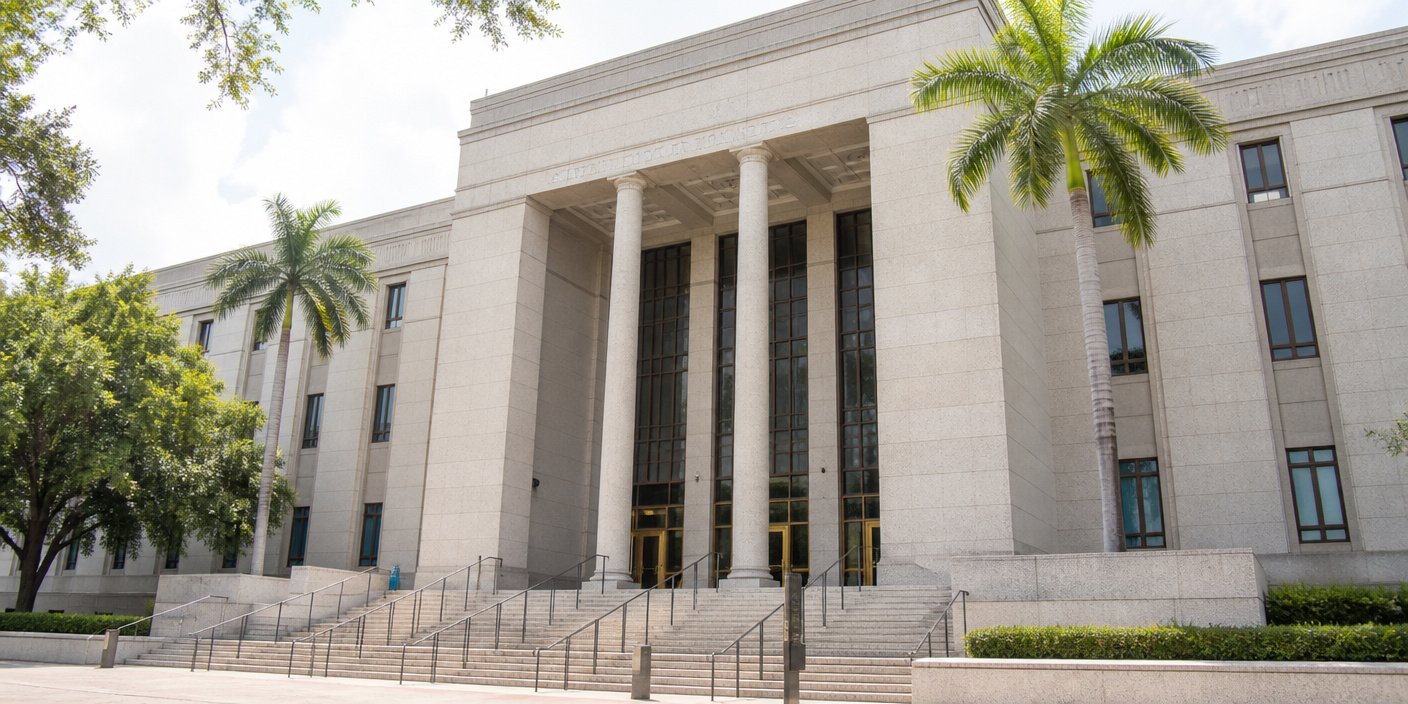
The Miami City Commission is currently navigating a high-stakes proposal to designate a 12-acre parcel in Allapattah as a ‘late-night entertainment district.’ This initiative is not merely a zoning change; it represents a fundamental shift in the city’s economic strategy, effectively attempting to export the success of the Wynwood and Brickell nightlife models into one of Miami’s last remaining industrial-heavy corridors. By legalizing alcohol service until 5 a.m. and encouraging outdoor dining, local officials hope to spark a renaissance of foot traffic and tax revenue that has eluded the area for decades.
The Economic Logic Behind the District
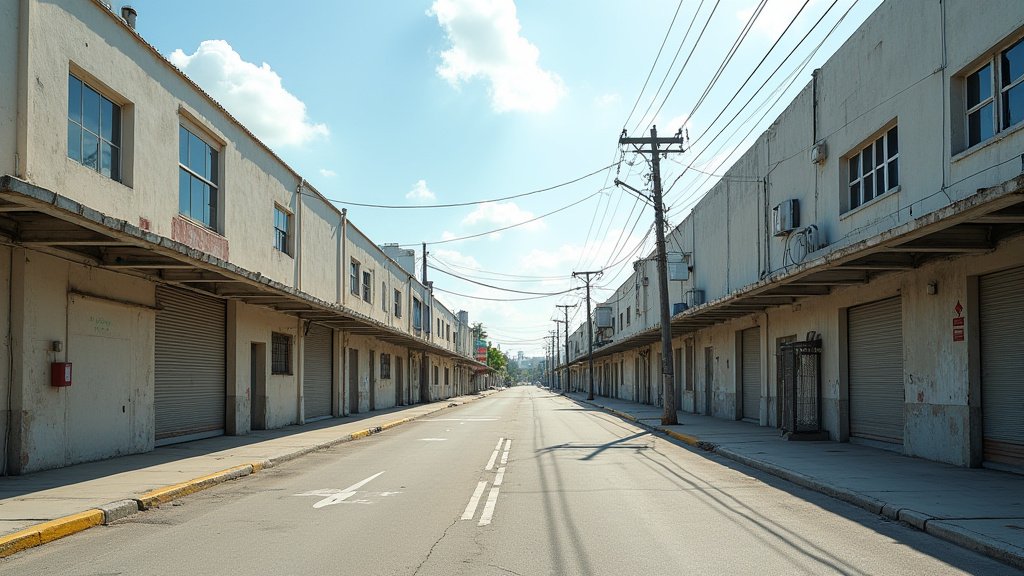
The central pillar of the proposal rests on the concept of ‘activated night-time economies.’ Municipal planners argue that Allapattah possesses the necessary infrastructure—largely characterized by expansive, single-story industrial warehouses—to accommodate the noise and logistical pressures that come with a late-night entertainment district. Unlike downtown high-rises where residential density creates immediate friction with nightlife noise, Allapattah’s current zoning is predominantly industrial or light-commercial. This creates a buffer zone that proponents argue makes it an ideal candidate for a 5 a.m. alcohol license zone.
From a fiscal perspective, the transformation of this 12-acre site is projected to significantly increase property tax assessments and generate recurring revenue through new business permits. The Miami City Commission views the creation of such districts as a hedge against market stagnation. By establishing a formalized entertainment district, the city provides a predictable framework for developers and investors, moving away from the patchwork, ad-hoc licensing that has defined Miami’s entertainment expansion in years past.
Learning from the Wynwood and Brickell Blueprints
To understand the Allapattah proposal, one must analyze its predecessors. Wynwood’s evolution from a garment district to a global cultural destination was driven by a mix of art, curated public space, and a deliberate loosening of late-night alcohol restrictions. The ‘Wynwood Business Improvement District’ became a powerful entity that successfully managed the transition, ensuring that development remained profitable for venue owners while maintaining safety standards.
Allapattah is looking to iterate on this model. The key difference, however, lies in the timing and the current political climate. Residents and stakeholders are more attuned to the downsides of rapid gentrification. The proposed Allapattah district will likely require stricter covenants regarding soundproofing, trash mitigation, and security presence than Wynwood did a decade ago. The goal is to avoid the ‘boiling point’ scenario where nightlife noise creates irreconcilable conflicts with adjacent residential neighborhoods, a tension that has recently plagued other urban nightlife hubs across the country.
Community and Regulatory Challenges
The road to a 5 a.m. license is fraught with regulatory hurdles. The Miami City Commission must balance the interests of the Allapattah Collaborative CDC—a key entity advocating for community-centered development—against the desires of venue operators looking to capitalize on the late-night market. Critics of the plan often point to the risk of displacement. When a district is ‘officially’ stamped as an entertainment zone, commercial rents often skyrocket, threatening the very small businesses and warehouses that currently give Allapattah its raw, authentic character.
Furthermore, the infrastructure in Allapattah—specifically parking and public transit access—lags behind Brickell’s massive transit hub connectivity. Integrating 12 acres of intense nightlife activity requires a robust mobility plan. Without significant investment in lighting, rideshare zones, and public safety measures, the district risks becoming an isolated pocket of high-intensity activity rather than a cohesive neighborhood asset.
The Future of Allapattah Zoning
If the Miami City Commission approves the proposal, it will serve as a bellwether for the city’s urban planning future. The establishment of this district would likely invite developers to propose mixed-use projects that blend nightlife with adaptive reuse—converting old warehouses into hotels, clubs, and creative office spaces. This is the ‘adaptive reuse’ model that has defined modern Miami development. Investors are watching closely; a successful vote could trigger a massive influx of capital into the area, transforming Allapattah’s identity within a 36-month window.
As the vote approaches, the focus remains on the precision of the zoning text. What are the sound limits? How will the district interact with the nearby residential blocks? These details are the difference between a thriving, sustainable entertainment district and a temporary nightlife bubble. For now, the city waits, watching to see if Allapattah can indeed become the next great late-night destination, or if it will be the latest study in the growing pains of rapid urban expansion.
FAQ: People Also Ask
What is a Special Entertainment Overlay District?
A Special Entertainment Overlay District is a zoning mechanism used by the City of Miami to allow businesses within a specific boundary to operate under relaxed rules, such as extended alcohol service hours (up to 5 a.m.) and amplified outdoor noise allowances, which would otherwise be prohibited in standard zones.
How will this impact current residents in Allapattah?
While the district is targeting a 12-acre industrial zone, residents are concerned about spillover effects, including noise pollution, increased traffic, and potential rent hikes. The City Commission is expected to include mitigation requirements such as soundproofing mandates and strict security operations to balance these concerns.
When is the final vote scheduled?
The Miami City Commission has scheduled the deliberation phase for the proposal. Investors and community members are tracking the official commission docket, as the timeline for such votes can shift based on public testimony and last-minute amendments to the zoning text.
Are Wynwood and Brickell the only models for this district?
While Wynwood and Brickell are the primary comparables, the Allapattah project is unique due to its industrial roots. Planners are evaluating lessons learned from both areas to implement stricter ‘good neighbor’ policies, such as better waste management and enhanced pedestrian safety, which were implemented in Brickell and Wynwood only after the districts were already highly established.