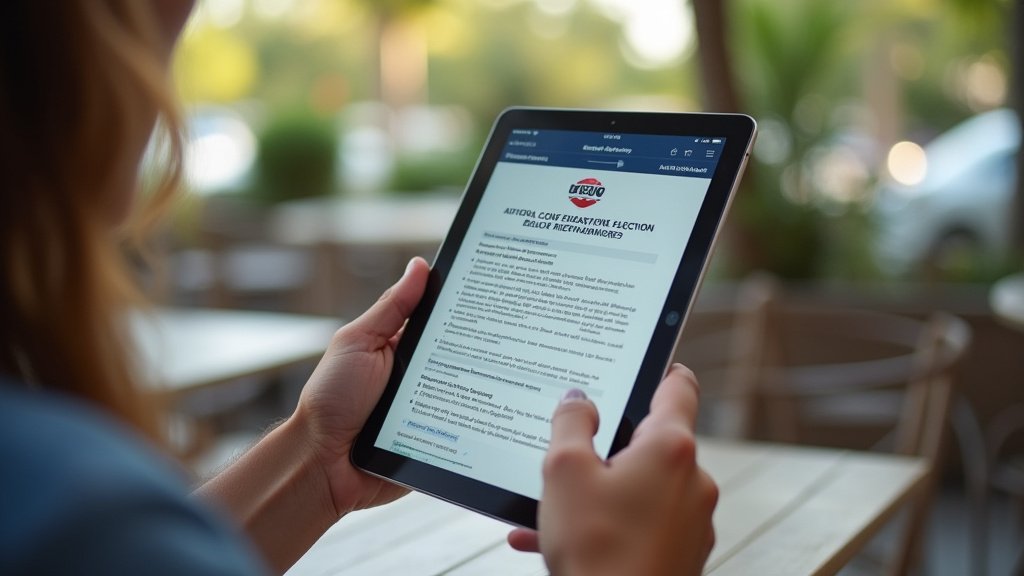
As the 2026 midterm elections approach, South Florida voters are facing a ballot landscape that is increasingly complex. From state-level constitutional amendments to hyper-local municipal referenda, the sheer volume of information can be overwhelming. Recognizing this trend, WLRN has stepped in to bridge the gap, publishing a comprehensive resource guide designed to help citizens navigate the diverse ecosystem of voter guides available, ensuring that every ballot cast is an informed one.
Key Highlights
- Navigating Ballot Complexity: The guide provides strategies for parsing dense legal language often found in state and local ballot measures.
- Vetted Information Sources: WLRN curates a list of reliable, non-partisan resources to contrast with the flood of political mailers and social media noise.
- South Florida Specifics: The resource emphasizes the unique ballot landscape of Miami-Dade, Broward, and Palm Beach counties, where diverse local elections often fly under the radar.
- Empowering the Voter: The initiative shifts the focus from passive ballot receipt to active, research-based civic engagement.
Mastering the Ballot: A Strategic Approach to 2026
The 2026 midterm election cycle is shaping up to be one of the most significant in recent memory for Florida residents. While much of the national media attention remains fixated on Congressional races, the reality for the average South Florida voter is that the most direct impacts on daily life—zoning, school board policies, infrastructure funding, and local taxation—are determined by candidates and initiatives lower on the ticket. This is where voter fatigue often sets in, and it is precisely why the new guide from WLRN acts as a critical civic tool.
The Architecture of Voter Confusion
One of the primary challenges identified in the current election cycle is the sheer density of information. Voters are inundated with partisan mailers, targeted social media advertisements, and conflicting advocacy group pamphlets. For the uninitiated, distinguishing between a factual guide and a thinly veiled political advertisement is a monumental task. The WLRN guide addresses this by categorizing resources based on their transparency and funding origins. By directing voters toward official outlets like the Florida Department of State’s Division of Elections and verified local County Supervisor of Elections websites, the guide effectively creates a firewall against misinformation.
Why Local Matters in 2026
In the 2026 cycle, South Florida is poised to see a significant uptick in ballot referenda. These measures often require a level of legal literacy that goes beyond the typical campaign soundbite. Whether it is a proposed change to municipal charter laws or a regional transportation initiative, voters are expected to decide on the future of their communities without always having the necessary context. The WLRN guide categorizes these measures, providing links to full text, fiscal impact statements, and, crucially, non-partisan summaries. This structure prevents ‘ballot drop-off,’ a phenomenon where voters finish the top portion of their ballot but skip the complicated measures at the bottom.
The Role of Public Media in Democracy
Public media outlets like WLRN operate under a different set of incentives than commercial media or partisan advocacy groups. Their voter guide resource is not designed to generate clicks through outrage or to secure an endorsement for a specific candidate. Instead, it functions as a public utility. This distinction is vital for maintaining voter trust. By aggregating the scattered resources available across various counties—from the League of Women Voters’ ‘VOTE411’ platform to the official government databases—the guide acts as a central clearinghouse. This consolidation saves the voter hours of disjointed research and reduces the cognitive load of preparing to vote.
Analyzing the 2026 Landscape
Beyond the specific tools provided, the guide encourages a deeper inquiry into the political geography of South Florida. The transition of political affiliations in regions like Miami-Dade and the demographic shifts in Broward and Palm Beach counties mean that historic voting patterns may not be reliable indicators for 2026. Voters are encouraged to look past party labels and interrogate the specific policies proposed by candidates. The guide’s emphasis on candidate questionnaires and forum recordings allows voters to hear directly from those seeking office, bypassing the editorializing that dominates mainstream political discourse.
Preparing for Election Day
Ultimately, the efficacy of this resource guide lies in its ability to facilitate early, informed decision-making. By offering a roadmap for verification, WLRN is essentially training voters to be their own fact-checkers. In an era of rapid-fire information, this skill set is perhaps the most important contribution the outlet makes to the democratic process. Voters are encouraged to download the resource, cross-reference it with their sample ballots as soon as they are released, and utilize the included links to track early voting and mail-in ballot deadlines, which continue to evolve in Florida election law.
FAQ: People Also Ask
Q: Is the WLRN voter guide partisan?
A: No, the guide is designed as a non-partisan public service. Its primary purpose is to aggregate legitimate, neutral resources and provide tools for voters to conduct their own fact-checking rather than telling them how to vote.
Q: How does this guide handle the complex language of ballot measures?
A: The guide provides links to official, plain-language summaries prepared by state and local government agencies. It also directs users to neutral analysis provided by civic organizations that specialize in breaking down legislative terminology into understandable concepts.
Q: Can I use this guide for all Florida counties?
A: While the guide is optimized for the South Florida region (specifically covering the coverage area of WLRN), many of the included resources, such as the Florida Division of Elections database and the League of Women Voters portals, are applicable statewide.
Q: Does the guide help with mail-in ballot procedures?
A: Yes, the resource includes direct links to official county election websites where voters can request, track, and verify the status of their mail-in ballots, which is a critical component of the 2026 election process.