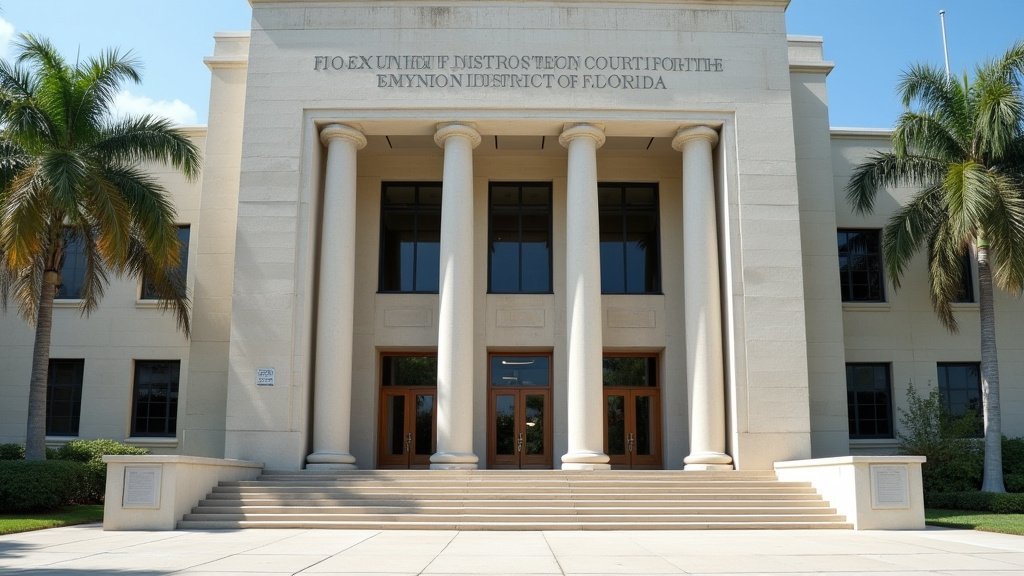
A significant legal victory for Cardi B unfolded on Monday, March 31, 2026, as a federal judge dismissed a copyright infringement lawsuit that sought to cast a shadow over her hit 2024 single, “Enough (Miami).” The ruling effectively ends claims that the Grammy-winning artist had inappropriately utilized elements from an earlier, lesser-known track titled “Greasy Frybread.” The presiding judge, in a decisive move, noted “fatal deficiencies” in the plaintiff’s case, failing to demonstrate either a valid copyright claim or sufficient proof of substantial similarity between the two compositions. This judicial decision serves as a pivotal moment for the rapper, who has previously navigated several high-profile intellectual property disputes throughout her meteoric rise in the music industry.
Understanding the Legal Basis of the Ruling
At the core of this intellectual property dispute was the allegation that “Enough (Miami)” borrowed essential creative components—such as melodic structure, cadence, or lyrical phrasing—from the complainant’s track, “Greasy Frybread.” In the complex realm of music copyright law, establishing plagiarism requires more than just a surface-level resemblance. Plaintiffs are generally tasked with demonstrating both access—the idea that the artist heard or had access to the original work—and substantial similarity.
In this instance, the court found the arguments presented by the plaintiffs profoundly lacking. Legal experts observe that the judge’s dismissal suggests the plaintiff failed to meet the rigorous evidentiary standard required to proceed to trial. By highlighting “fatal deficiencies,” the court indicated that the case was unable to withstand even the most basic scrutiny regarding copyright validity. This is a common outcome in music litigation where the “similarity” in question often involves common musical tropes, shared slang, or rhythmic patterns that are not inherently copyrightable.
The Impact on Cardi B’s Artistic Reputation
For Cardi B, the dismissal is more than just a legal formality; it is a validation of her creative autonomy. Throughout her career, the rapper has been no stranger to copyright-related inquiries, a reality that often accompanies the high-stakes world of chart-topping pop and hip-hop. However, successfully defending against these claims is crucial for maintaining both personal brand integrity and professional standing within the industry.
Industry analysts suggest that this specific victory may serve as a deterrent against future opportunistic or frivolous litigation. High-profile musicians are frequently targeted by lawsuits that lean on the popularity of their work rather than the concrete evidence of infringement. By swiftly dismissing the “Enough (Miami)” case, the court has signaled that it will protect artists against claims that lack a substantive foundation, reinforcing that success is not synonymous with infringement.
Protecting Creative Freedom in Music
Beyond the individual circumstances involving Cardi B, this ruling carries broader implications for the music business. The case underscores the delicate balance between protecting original expression and allowing for the evolution of musical genres. Hip-hop and pop music, by their very nature, rely on influence, sampling culture, and the utilization of shared linguistic and rhythmic vernacular.
When courts set high bars for plagiarism claims, they preserve the artistic license necessary for musicians to innovate. Without such protection, the threat of legal retaliation could stifle creativity, forcing artists to avoid common musical structures out of fear of litigation. This dismissal reinforces the importance of clear, evidence-based copyright enforcement, ensuring that only cases with genuine merits are allowed to disrupt the creative process, thereby safeguarding the industry’s vibrant, iterative ecosystem.