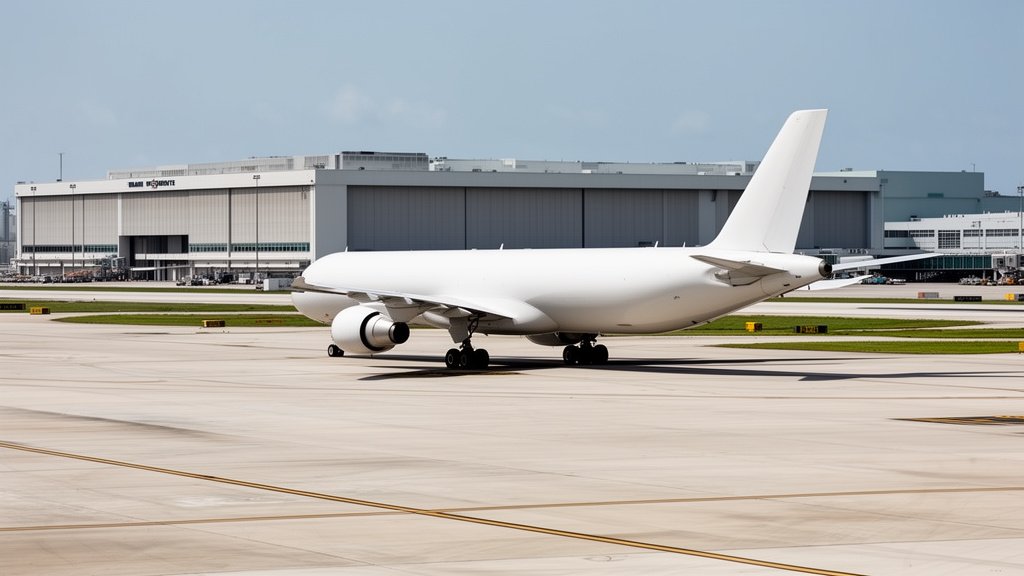
Spirit Airlines is teetering on the brink of potential shutdown as crucial bailout negotiations have reportedly collapsed, casting a dark cloud over the future of the budget carrier. The airline has been in intensive discussions to secure emergency funding, but sources indicate these talks have failed to yield the necessary agreement, raising serious concerns about its operational viability.
Key Highlights:
- Spirit Airlines faces an imminent threat of operational cessation.
- Critical bailout and funding discussions have failed to reach a successful conclusion.
- The airline’s future hangs precariously in the balance, impacting thousands of employees and millions of travelers.
- Regulatory bodies are reportedly monitoring the situation closely.
Spirit Airlines’ Precarious Financial Tightrope
The low-cost carrier, known for its ultra-low fares and a la carte pricing model, has been grappling with a severe liquidity crisis for months. Several factors have contributed to its dire financial straits, including mounting debt, increased operational costs, and a competitive market landscape that has intensified in recent years. The failure to secure a bailout package now places Spirit Airlines in an increasingly untenable position, with immediate implications for its workforce, its existing flight schedules, and the millions of passengers who rely on its services for affordable travel.
The Anatomy of a Financial Crisis
Spirit Airlines’ current predicament is not a sudden event but rather the culmination of a series of challenges. The airline has consistently struggled with profitability, often relying on ancillary revenue from baggage fees, seat selection, and other add-ons to offset its low base fares. However, this model has come under pressure as competitors have also introduced similar revenue streams, eroding Spirit’s competitive edge. Furthermore, the lingering effects of the pandemic, including fluctuating demand, higher fuel prices, and labor shortages, have exacerbated these pre-existing vulnerabilities. The company’s substantial debt obligations have also been a persistent burden, limiting its financial flexibility and making it difficult to invest in necessary fleet upgrades or operational improvements.
Bailout Talks: A Last Ditch Effort
The reported collapse of bailout talks signifies a critical turning point. Spirit Airlines had been in advanced negotiations with a consortium of investors and financial institutions, hoping to secure the substantial capital infusion required to stay afloat. These discussions were viewed as a lifeline, a last-ditch effort to avert a potential bankruptcy filing or complete cessation of operations. The failure to reach an agreement suggests significant hurdles, potentially related to the terms of the funding, the perceived risk by investors, or the airline’s long-term viability outlook. The specifics of the failed negotiations remain undisclosed, but their outcome paints a grim picture for the airline’s immediate future.
Impact on Passengers and Employees
Should Spirit Airlines cease operations, the repercussions would be widespread. Millions of passengers with existing bookings would face significant disruption, scrambling to rebook flights with potentially higher fares from other carriers. The airline’s extensive route network, particularly serving leisure destinations, would leave a void that could be difficult to fill. For the thousands of Spirit employees, the uncertainty surrounding their jobs would be immense, with potential layoffs and a significant blow to their livelihoods. The ripple effect could also impact the broader travel industry, from airport services to aircraft manufacturers and suppliers.
Regulatory Scrutiny and Potential Scenarios
It is anticipated that aviation regulatory bodies, such as the Federal Aviation Administration (FAA) and the Department of Transportation (DOT), are closely monitoring Spirit Airlines’ situation. In the event of an operational halt, these agencies would be tasked with managing the fallout, including ensuring passenger protections and overseeing any potential restructuring or liquidation processes. Several scenarios could unfold from this point, ranging from a last-minute rescue deal to a Chapter 7 bankruptcy, which would involve liquidating assets, or a Chapter 11 restructuring, though the latter becomes increasingly challenging without immediate funding.
FAQ: People Also Ask
What are the main reasons for Spirit Airlines’ financial troubles?
Spirit Airlines has faced a combination of factors including high debt levels, increased operational costs (such as fuel and labor), intense competition within the ultra-low-cost carrier market, and the lingering economic effects of the COVID-19 pandemic. Their business model, heavily reliant on ancillary fees, has also faced increased pressure as competitors adopted similar strategies.
What happens to passengers with existing Spirit Airlines tickets if the airline shuts down?
If Spirit Airlines were to cease operations, passengers with existing tickets would likely face significant disruption. Depending on the nature of the shutdown (e.g., bankruptcy filing), passengers might be eligible for refunds, or they may need to seek assistance from regulatory bodies or their credit card companies to recover costs. Airlines are often required to make provisions for existing bookings, but a complete shutdown presents complex challenges.
Could another airline acquire Spirit Airlines if it goes bankrupt?
It is possible that another airline could acquire Spirit Airlines, especially if it enters bankruptcy proceedings. However, any acquisition would be subject to regulatory approval, particularly from antitrust authorities, to ensure fair competition in the market. The financial health and operational assets of Spirit would be key factors in determining its attractiveness to potential acquirers.
What is Spirit Airlines’ business model?
Spirit Airlines operates an ultra-low-cost carrier (ULCC) model. This means they offer very low base fares and then charge extra for nearly all services that other airlines include in their ticket price, such as checked baggage, carry-on baggage, seat selection, and even water or snacks onboard. The goal is to provide the lowest possible ticket price, allowing customers to customize their travel experience and pay only for the services they want.
What are the implications of Spirit Airlines shutting down for the US aviation industry?
A shutdown of Spirit Airlines would remove a significant player from the ultra-low-cost segment of the US aviation market. This could lead to reduced competition on certain routes, potentially resulting in higher fares for consumers on those specific paths. It would also represent a considerable loss of jobs within the industry and could signal broader economic challenges affecting airlines that rely on similar business models.