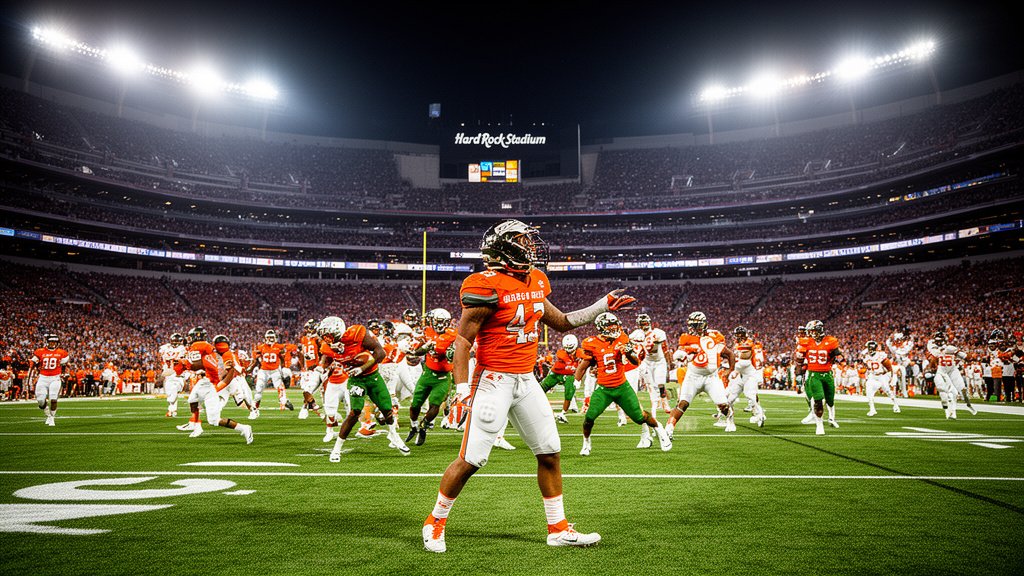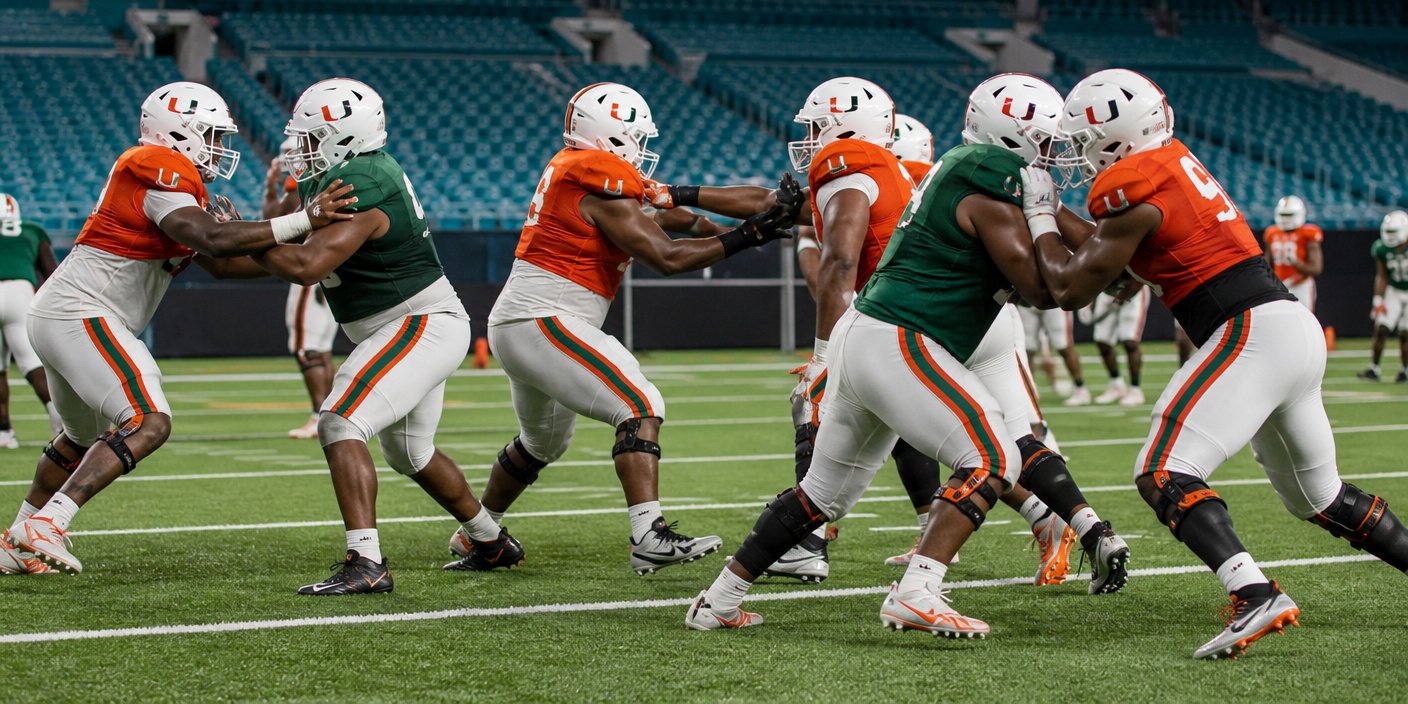
The Miami Hurricanes have officially confirmed that running back Jordan Lyle will not see the field during tonight’s highly anticipated season-opening contest against Stanford. While the program has made it clear that the exclusion is strictly non-injury related, the development forces an immediate pivot in coaching strategy for the Hurricanes’ backfield rotation. As the team prepares for the opening kickoff, the absence of a key contributor like Lyle highlights the importance of roster depth and the “next man up” philosophy that defines championship-caliber college football programs.
Key Highlights
- Jordan Lyle is officially ruled out for the season opener against the Stanford Cardinal.
- The Hurricanes organization confirmed the exclusion is non-injury related, requiring no medical rehabilitation timeline.
- Coaching staff must now lean on depth chart versatility to maintain the team’s rushing efficiency against Stanford’s defensive front.
- The decision underscores a focus on accountability within the current Miami Hurricanes program structure.
Navigating the Roster Shift: A Strategic Analysis
The announcement regarding Jordan Lyle’s status creates an immediate ripple effect for the Hurricanes’ offensive coordination team. In modern collegiate football, the rushing attack is rarely a one-man show; however, the loss of any rotation player necessitates a recalibration of the playbook. Offensive coordinators are typically tasked with balancing power running schemes against perimeter agility, and when a player of Lyle’s profile is sidelined, the strategic burden shifts to the supporting cast.
The Depth Chart Challenge
For Miami, the challenge is not merely replacing a singular output but maintaining the intensity and stamina of the run game throughout all four quarters. Stanford’s defensive front is renowned for disciplined gap control and physical resilience. Without Lyle in the mix, the Hurricanes will likely lean more heavily on established veterans and other dynamic options in the running back room. This scenario serves as an early-season stress test for the depth of the Hurricanes’ roster. Coaches often speak about the necessity of having a “plug-and-play” mentality, and this evening provides the perfect opportunity to validate that internal narrative. When a piece is removed from the machine, the remaining components must adjust their torque and velocity to ensure the offensive engine does not stall.
Accountability in the Cristobal Era
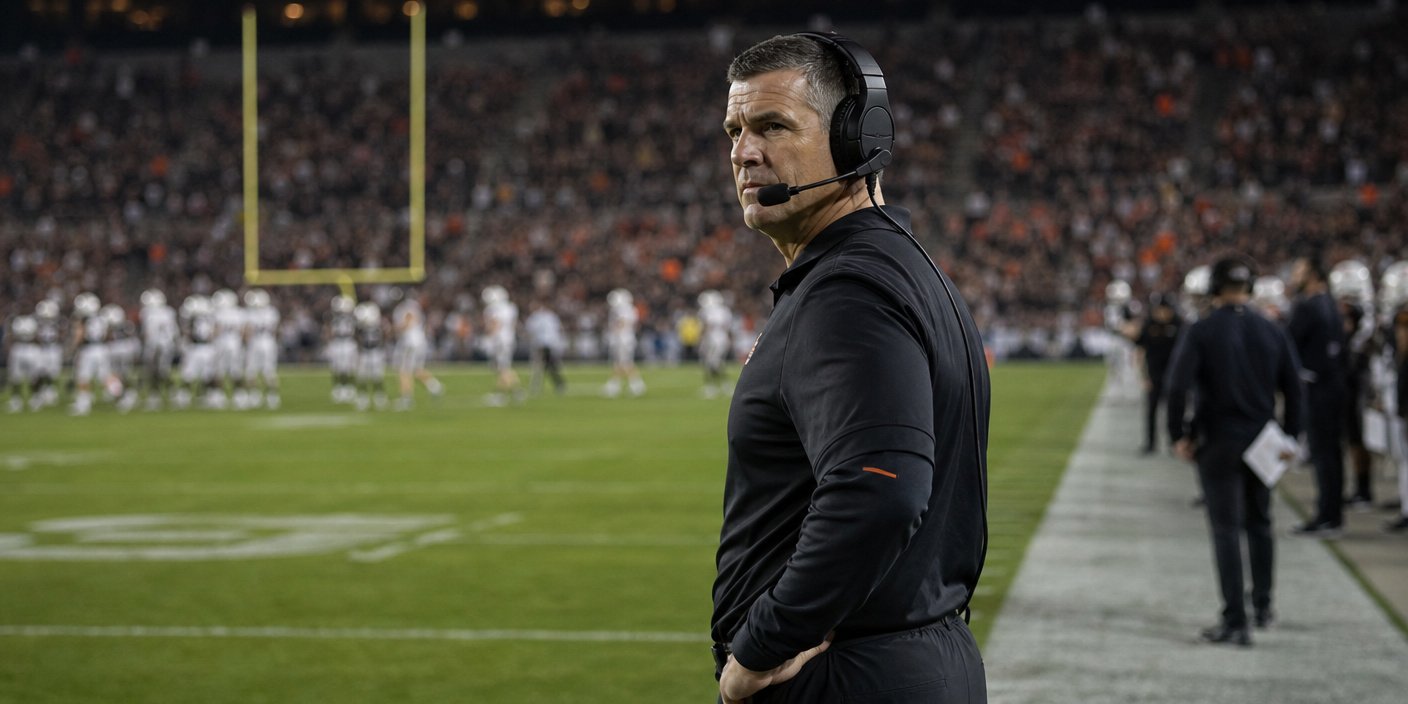
Under the leadership of Mario Cristobal, the Miami Hurricanes have placed an outsized emphasis on culture, discipline, and the internal standards of the locker room. While the specific nature of a non-injury designation can range from academic hurdles to internal disciplinary protocols, the overarching message remains the same: the standard is the standard. By removing a player from the active roster—even for a high-profile season opener—the coaching staff reinforces that no individual is larger than the team’s collective objectives. This culture of accountability is designed to pay dividends later in the season when the games carry even greater implications for ACC standings and postseason aspirations.
Adjusting the Offensive Playbook
Strategic adjustments against a defensive-minded team like Stanford require precision. If the Hurricanes intended to utilize Lyle in specific packages—perhaps as a short-yardage power back or a receiving option out of the backfield—that portion of the game plan must now be redistributed. Offensive linemen and tight ends often bear the brunt of these adjustments, as the blocking schemes may need to become more conservative or, conversely, more creative to compensate for the specific skill set missing from the backfield. Fans should watch for how the offensive line communicates at the line of scrimmage. Are they favoring zone-read plays that emphasize mobility, or are they relying on power-I formations to establish dominance? The absence of a specific personnel grouping often forces the offensive coordinator to simplify the reads, which can sometimes lead to more efficient, if less explosive, football.
The Stanford Variable
It is essential to contextualize this news within the context of the opponent. Stanford presents a unique challenge, often operating with a high level of football intelligence and a disciplined defensive scheme. They are accustomed to playing spoiler and will be looking to capitalize on any disarray in the Hurricanes’ offensive flow. A team that is forced to rotate its personnel differently than planned is a team that can be tested in the first quarter. Therefore, the Hurricanes’ ability to maintain tempo and execution, despite the roster change, will be the most significant indicator of their readiness for a long, demanding season. The mental fortitude of the remaining players to absorb this news and execute the game plan with precision is perhaps more important than the specific X’s and O’s adjustment.
FAQ: People Also Ask
What does a ‘non-injury related’ designation mean in college football?
In the context of collegiate athletics, a non-injury related designation is a catch-all term indicating that a player is unavailable for reasons other than physical trauma. This can include academic requirements, internal disciplinary measures, or personal matters. It differentiates the situation from medical or training staff decisions.
How does this affect Miami’s depth for the rest of the season?
While Lyle’s absence is a significant note for the season opener, it does not necessarily imply a long-term absence. College football programs typically view these situations as week-to-week. The depth chart remains fluid, and the coaching staff will utilize this time to evaluate the production of the running back group to determine the distribution of carries moving forward.
Why is the Stanford game considered a critical test for Miami?
Season openers are notoriously unpredictable, and playing against a program like Stanford adds an extra layer of complexity regarding defensive preparation. It is the first live-game evaluation of the team’s chemistry, conditioning, and ability to handle adversity—all of which are essential markers for a successful season in the competitive ACC conference.