A high-stakes dispute at the Ten Museum Park condominium in downtown Miami turned into a terrifying standoff this Thursday, resulting in the arrest of 31-year-old Anthony Governale. Police confirm Governale allegedly threatened a neighbor while brandishing an AR-15-style rifle, a confrontation made more volatile by his status as a defendant currently out on a previous felony bond.
Key Highlights
- Anthony Governale, 31, was taken into police custody following a neighbor dispute at the Ten Museum Park luxury condominium.
- Law enforcement reports indicate Governale brandished an AR-15-style rifle during the altercation, escalating the incident to a felony level.
- At the time of the arrest, Governale was already out on bond regarding a separate felony case, significantly complicating his legal standing.
- The incident occurred Thursday evening in downtown Miami; no physical injuries were reported by the neighbor or residents.
The Anatomy of the Ten Museum Park Incident
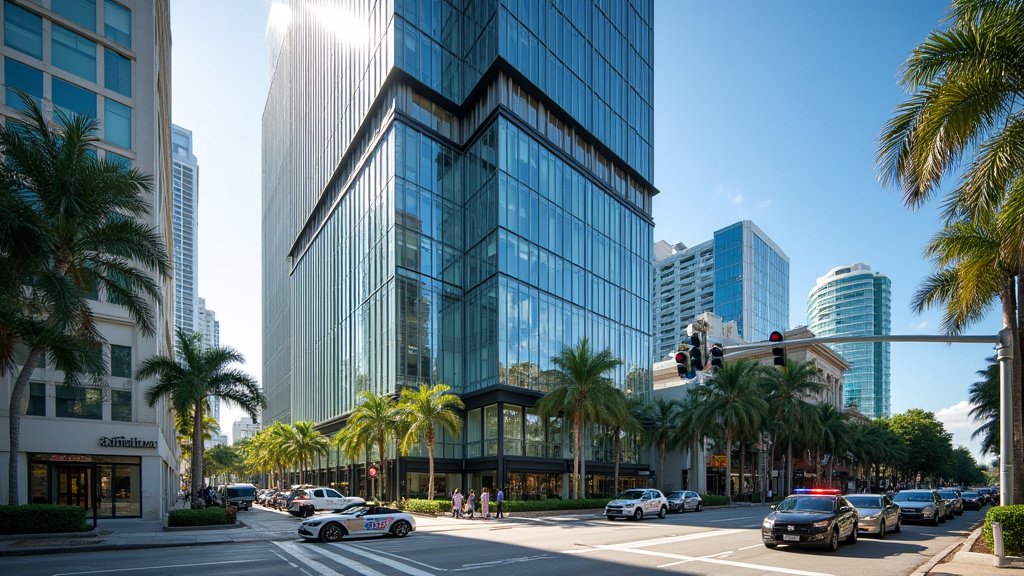
The tranquility of the Ten Museum Park condominium, a prominent feature of the downtown Miami skyline known for its luxury amenities and high-density living, was shattered Thursday evening during a volatile neighbor dispute. The situation, which escalated into a potential standoff involving a high-powered firearm, has sparked a conversation regarding safety protocols and personal conduct within high-rise residential communities. According to reports from the Miami Police Department, the suspect, 31-year-old Anthony Governale, was apprehended following allegations that he brandished an AR-15-style rifle during a heated exchange with a fellow resident.
The arrest of Governale is not merely a localized disturbance; it carries significant legal weight. Authorities confirmed that Governale was already released on bond regarding a previous felony charge. This detail places him in a precarious legal position, as the commission of a new crime—or the escalation of a civil dispute into an armed threat—often results in the immediate revocation of existing bond agreements. The legal system views the commission of a new offense while on pretrial release as a major violation of trust, which will likely lead to the forfeiture of his bond and detention without bail pending the outcome of the new charges.
The Legal Gravity of ‘AR-15-Style’ Threats
In Florida, the brandishing of a firearm—especially one defined as an AR-15-style rifle—is treated with extreme severity under the law. When a weapon is introduced into a private, residential dispute, the threshold for aggravated assault charges is rapidly met. Prosecutors often leverage the presence of a long gun to demonstrate the intent to instill fear of imminent bodily harm.
From a legal standpoint, the use of an AR-15-style weapon complicates potential defenses. Unlike handguns, which are often discussed in the context of personal defense in tight spaces, the military-grade aesthetic and tactical capability associated with AR-15-style rifles often lead jurors and prosecutors to view these incidents with increased scrutiny regarding proportionality. The state will likely argue that the brandishing of such a weapon in a residential hallway or unit creates an inherently dangerous environment for all residents, thereby shifting the narrative from a private dispute to a public safety concern.
High-Density Living and Conflict Resolution
Ten Museum Park, with its proximity to Museum Park and the Adrienne Arsht Center, represents a specific subset of Miami living: the high-net-worth urban high-rise. These environments are characterized by shared walls, common areas, and a reliance on building security. When conflicts arise in such close quarters, the rapid escalation to armed confrontation is a rare but catastrophic failure of conflict resolution.
Security experts note that high-rise condominiums are uniquely vulnerable. The lack of traditional yard space or private property buffers means that disputes can rapidly spill over into common areas, affecting the “quiet enjoyment” of other residents. Building management at Ten Museum Park will likely face pressure from the condo board and residents to review their security protocols. The incident highlights the necessity of robust conflict mediation and perhaps stricter policies regarding the storage and transportation of firearms in common areas, though these measures often run into resistance based on Second Amendment protections.
The Impact of Bond Violations
Perhaps the most critical aspect of the case against Anthony Governale is his pre-existing felony bond status. In the American justice system, bond is a contract of sorts—an agreement that the defendant will abide by the law while awaiting trial in exchange for their freedom. By allegedly committing an act that led to an arrest, Governale has effectively breached this contract.
For the prosecution, this is a clear-cut case for seeking detention. The court’s primary goal is to ensure the safety of the community and the integrity of the judicial process. When a defendant on bond is arrested for a new, violent crime, the courts frequently invoke the “danger to the community” standard to justify keeping that individual incarcerated until their trial. This ensures that the accused cannot further jeopardize the peace or threaten witnesses involved in either the new case or the pending original felony charge.
Looking Ahead: The Judicial Timeline
As the case moves forward, the Miami-Dade State Attorney’s Office will be responsible for consolidating these charges. The primary hurdle for the defense will be explaining why the firearm was introduced into the dispute. If the evidence shows the firearm was used to intimidate or threaten, it is unlikely that any “stand your ground” or self-defense claims will gain traction, particularly given the circumstances of a residential dispute.
The residents of Ten Museum Park, meanwhile, are left to grapple with the reality of the event. The sense of security in high-rise living is often predicated on the assumption that one is removed from the “street crime” that affects other parts of the city. This incident serves as a stark reminder that conflicts—and the individuals involved in them—are not bound by luxury amenities or high-rise architecture.
FAQ: People Also Ask
Q: What is Ten Museum Park?
A: Ten Museum Park is a luxury high-rise condominium complex located in downtown Miami, Florida, near Biscayne Boulevard. It is known for its iconic architecture and proximity to the city’s cultural centers.
Q: What specific charges is Anthony Governale facing?
A: While specific court documents are evolving, the arrest stems from aggravated assault/threatening a neighbor with a firearm. His status on a previous felony bond adds a layer of violation, likely resulting in immediate bond revocation and additional legal hurdles.
Q: How does a felony bond work in this context?
A: A felony bond allows a defendant to remain free before trial by paying money (or using a bondsman) as a guarantee they will return to court. If the defendant is arrested for a new crime while on bond, it is typically viewed as a direct violation of the conditions of their release, leading to jail time without bail.
Q: Why is an ‘AR-15-style’ weapon considered more significant than a handgun in this scenario?
A: Legally, the type of weapon does not change the essential elements of an assault charge, but tactically and societally, it heightens the perception of threat. Prosecutors use the size, capability, and intimidating nature of AR-15-style rifles to argue that the suspect intended to create a severe, imminent fear of death or great bodily harm.