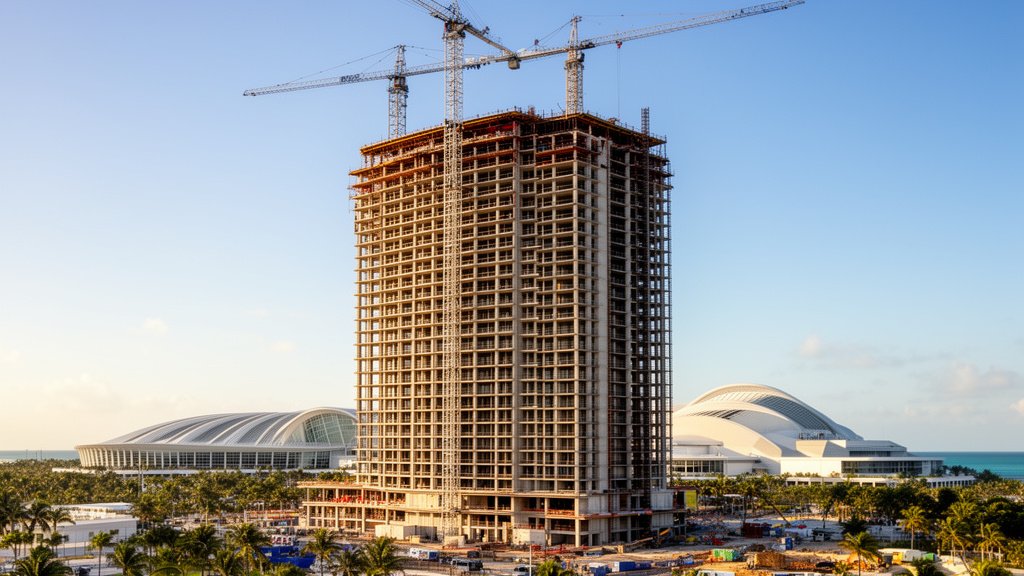
The Greater Miami Convention & Visitors Bureau (GMCVB) has released its comprehensive Q3 2026 update, signaling a pivotal moment in the city’s evolution as a global hub for business, tourism, and culture. The report details a series of high-impact milestones, most notably the topping off of the Grand Hyatt Miami Beach and the highly anticipated reopening of the Royal Palm South Beach. These projects underscore a broader strategy to refine Miami’s infrastructure while cementing its status as a premier destination for luxury travel and large-scale international events. As Miami Q3 2026 developments move into their final phases, the city stands on the precipice of a new, modernized era that balances its historic Art Deco roots with hyper-modern amenities.
Key Highlights
- Grand Hyatt Miami Beach Milestone: The construction of the highly anticipated Grand Hyatt reached its ‘topping off’ point, marking the completion of the structure’s frame and the commencement of the interior fit-out phase.
- Royal Palm South Beach Return: Following an extensive renovation and rebranding effort, the iconic Royal Palm property officially reopened its doors to guests, restoring a piece of Miami’s architectural heritage.
- Infrastructure Optimization: New updates regarding transport connectivity and convention center logistics aim to reduce transit times for international business travelers by an estimated 15%.
- Culinary Expansion: A surge in new dining concepts, focusing on sustainable local sourcing, has been integrated into the destination’s hospitality roadmap for the remainder of the year.
The Renaissance of Miami’s Hospitality Infrastructure
The Grand Hyatt Miami Beach: A Structural Anchor
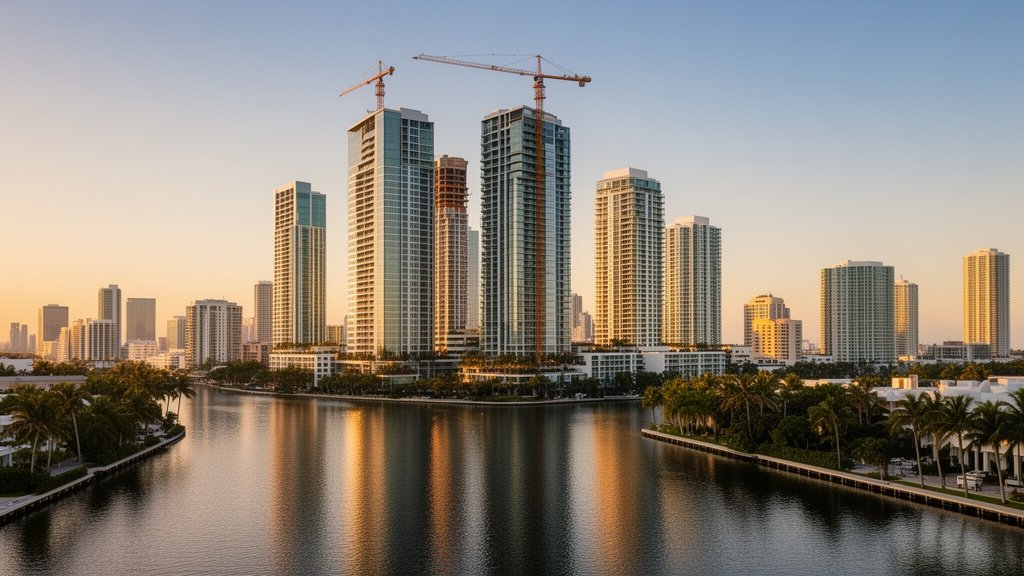
The most significant announcement in the Q3 2026 GMCVB report is the topping off of the Grand Hyatt Miami Beach. For the local hospitality industry, this is more than just a construction update; it is a signal of the city’s ability to host increasingly large-scale international conventions. The project, which integrates directly with the Miami Beach Convention Center, represents a massive investment in ‘live-work-play’ infrastructure. By providing 800 rooms within walking distance of the primary convention facilities, the Grand Hyatt is expected to significantly increase the city’s capture rate for tier-one corporate events and trade shows.
Architecturally, the project is designed to bridge the gap between Miami’s utilitarian conference needs and its aesthetic identity as a design capital. The topping off event, which saw city officials and stakeholders gather at the site, emphasized the project’s adherence to stringent sustainability codes. The hotel is slated to be one of the greenest hospitality venues in Florida, featuring high-efficiency cooling systems and smart-glass windows designed to mitigate the intense Miami sun, thereby reducing the carbon footprint of the structure by an projected 20% compared to legacy properties in the area.
Royal Palm South Beach: Honoring the Past
While the Grand Hyatt represents the future, the reopening of the Royal Palm South Beach is a tribute to the past. The hotel, an Art Deco jewel situated on the oceanfront, had been undergoing a multi-year restoration. The GMCVB highlighted this reopening not merely as the revival of a hotel, but as the preservation of a cultural entity. The restoration involved meticulous work on the historic façade, ensuring that the original 1930s-era details were not only preserved but highlighted through modern lighting technologies.
The hotel’s return to service adds much-needed inventory to the high-end boutique sector of South Beach. It addresses the growing demand from travelers who prioritize heritage and atmosphere over the standardized experience of larger chains. By maintaining its classic structural integrity while updating its internal service models, the Royal Palm serves as a case study in successful historic preservation within the rapid-fire development landscape of Miami Beach.
Economic Ripples: Beyond the Beach
Infrastructure developments detailed in the Q3 2026 report are not limited to the hospitality sector. The GMCVB is coordinating with municipal planners to streamline transport connectivity, particularly the routes servicing the Miami Beach Convention Center. The report cites that by Q4 2026, enhanced shuttle logistics and expanded ride-share zones are expected to alleviate traffic congestion during peak season. This is crucial; as Miami attracts higher volumes of international delegates, the ‘last mile’ of the transit experience becomes a key differentiator for the city.
Furthermore, the economic impact is rippling outward into the labor market. The combination of the Grand Hyatt construction and the Royal Palm’s reopening has spurred a localized hiring boom in the service and hospitality management sectors. Economic analysts project that these two developments alone will contribute an additional $150 million to the local economy over the next three years, driven by increased occupancy rates and expanded catering and event capabilities.
Culinary and Cultural Evolution
A significant section of the Q3 update is dedicated to the ‘Miami Taste Initiative.’ This program is designed to move beyond the traditional South Beach culinary scene, encouraging developers to partner with local, independent chefs rather than relying exclusively on national franchises for hotel dining. The goal is to provide a more authentic experience for the modern, discerning traveler. As part of this, the new hospitality properties are mandated to source at least 30% of their produce from local Florida farms. This ‘farm-to-hotel’ approach is creating a resilient supply chain that supports local agriculture while offering guests a unique, localized gastronomic experience that is becoming a new benchmark for luxury travel in the United States.
Looking toward Q4 2026, the city is focused on maintaining this momentum. The successful topping off of the Hyatt and the reopening of the Royal Palm serve as the twin pillars of a strategy that prioritizes quality over quantity, heritage over homogenization, and connectivity over congestion. As Miami continues to mature as a global destination, these developments will likely be viewed as the turning point where the city successfully transitioned from a seasonal tourist spot to a year-round global hub of commerce and culture.
FAQ: People Also Ask
1. What does ‘topping off’ mean in the context of the Grand Hyatt Miami Beach?
Topping off is a traditional ceremony in the construction industry that occurs when the last beam (or its equivalent) is placed atop a structure during its construction. It signifies that the building has reached its maximum height and the primary structural frame is complete.
2. How will the new Royal Palm South Beach affect local tourism?
The reopening adds significant high-end capacity to the South Beach area. It attracts a demographic of travelers interested in historical, boutique-style luxury, which diversifies the type of visitor Miami attracts, moving beyond mass-market tourism.
3. Are there more infrastructure projects planned for Miami in 2027?
The Greater Miami Convention & Visitors Bureau report hints that the current Q3 2026 initiatives are part of a multi-year ‘Miami 2030’ plan, which includes further upgrades to public transit and continued integration of green technology in public works.
4. Is the Grand Hyatt Miami Beach currently accepting reservations?
While the building has topped off, internal fit-outs and final safety inspections are required before it opens for bookings. The GMCVB indicates that public booking timelines will be shared in an upcoming Q4 update.