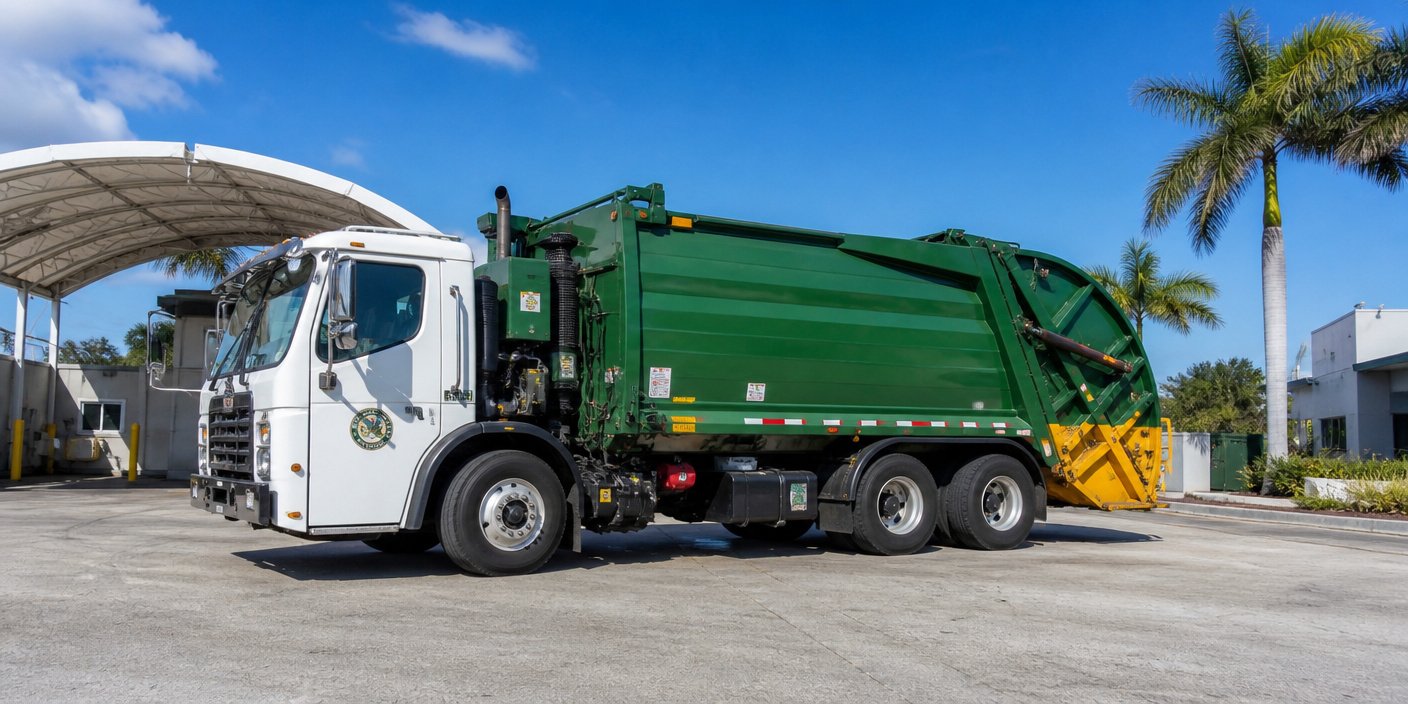
The recent decision by the Miami-Dade County Board of County Commissioners to reject a proposed increase in the residential garbage fee has sent shockwaves through local municipal departments and residents alike. While the vote was framed as a relief for taxpayers amidst rising living costs, it has created a significant fiscal hole for the Department of Solid Waste Management (DSWM). With the fee remaining stagnant for over a decade, the inability to adjust revenue streams has now placed the Miami-Dade County solid waste crisis at the forefront of local political and logistical debates, threatening the operational stability of a system that 355,000 families rely on daily.
The Fallout of the Failed Fee: A Municipal Cleanliness Crisis
The rejection of the fee adjustment is not merely a budgetary footnote; it represents a fundamental shift in how the county manages its waste footprint. For years, the DSWM has navigated a delicate balance of rising operational costs, including labor, fuel, and the maintenance of aging infrastructure, all while the primary revenue source—the annual garbage fee—remained fixed. By voting down the increase, the Commission has effectively forced the department to recalibrate its service level, leading to the prospect of reduced staffing and slower response times for critical maintenance.
The Historical Context of Financial Stagnation
To understand the gravity of this crisis, one must look back at the fiscal history of Miami-Dade’s waste services. The residential garbage fee has not seen a substantial increase since 2012. Over the past twelve years, inflation has drastically increased the cost of doing business. From the rising price of heavy-duty collection trucks to the escalating wages required to retain qualified drivers and technicians, the cost-to-serve has outpaced the flat revenue model. For over a decade, the county utilized reserves and cost-saving efficiencies to bridge the gap. However, those reserves have now been depleted, and the operational expenses have finally hit a ceiling that the current budget cannot sustain. The failure to pass the fee increase is, in many ways, the culmination of a decade of deferred fiscal policy.
Impact on Daily Life and Infrastructure
The most immediate concerns center on the quality of life for the 355,000 households within the county’s service area. The DSWM manages more than just weekly trash collection; it is responsible for the complex logistics of bulky waste pickup, illegal dumping site remediation, litter control along major transit corridors, and the maintenance of road conditions related to waste vehicles. With the budget shortfall, residents are likely to see significant service reductions. This includes fewer pickups for bulky items—couches, appliances, and large household waste—which historically leads to an increase in illegal dumping on public and private land. Furthermore, the specialized teams responsible for pothole repairs and immediate debris cleanup following storms may see their resources diverted or reduced, potentially worsening the deterioration of county roadways.
The Economic Ripple Effect
There is also a broader economic impact to consider. When municipal services degrade, property values and neighborhood safety can fluctuate. Illegal dumping is not just an aesthetic issue; it is a public health concern that can invite pests, contaminate local water tables through hazardous waste seepage, and create safety hazards for pedestrians and motorists. The local business community, particularly those in the construction and logistics sectors, relies on the county’s efficiency in handling waste to maintain smooth operations. A slowdown in cleanup efforts can create a domino effect, leading to higher remediation costs in the long run. Taxpayers who believe they saved money on a monthly bill may ultimately find themselves paying more in property devaluation or increased specialized disposal costs.
Looking Toward the Future: The Path Forward
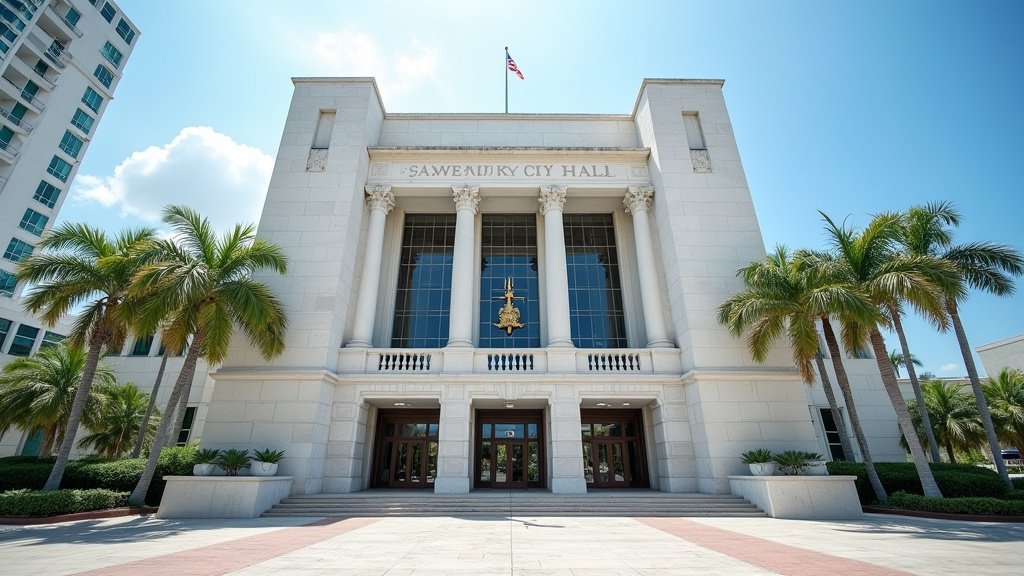
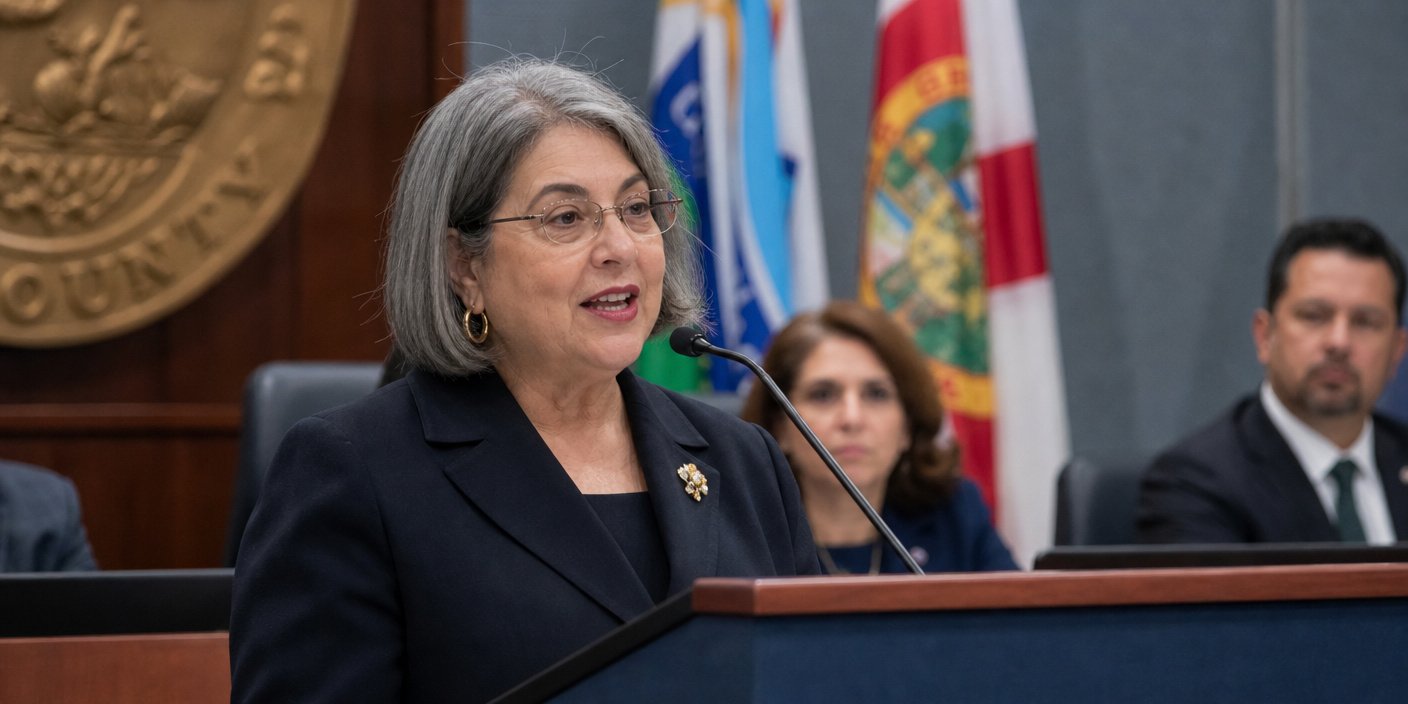
What happens next is the subject of intense debate at the County Hall. Mayor Daniella Levine Cava’s administration now faces the unenviable task of presenting a balanced budget without the necessary fee adjustment. Options on the table include service consolidation, increased automation, or potentially pivoting to a privatized model for certain waste streams, though privatization brings its own host of long-term risks and public pushback. Another possibility is a special election or a revised proposal in the coming fiscal quarter, as the current level of service cuts is viewed by many experts as unsustainable for a county of Miami-Dade’s size and density. The coming months will be defined by the tension between the Commission’s desire to keep household costs low and the administrative reality that essential public health infrastructure requires sustained, predictable investment.
FAQ: People Also Ask
Why was the garbage fee increase rejected by the Commission?
The fee increase was rejected primarily due to political concerns regarding the current cost of living for residents. Commissioners expressed strong hesitation about raising any fees on households during a period of high inflation, even though the Department of Solid Waste Management cited a clear financial deficit required to maintain service levels.
How will the service cuts affect my household specifically?
For the 355,000 families in the county’s service area, the most immediate impacts include reduced frequency or availability of bulky waste pickups (like furniture and appliances), longer wait times for illegal dumping cleanup, and a potential reduction in crews dedicated to road maintenance and litter control.
Is the garbage fee likely to be reconsidered in the future?
It is highly probable. Given that the underlying financial shortfall is structural—meaning the costs of running the service continue to rise regardless of the fee—the County Commission and the Mayor’s office will likely be forced to revisit the issue as service degradation becomes more visible and public complaints increase.
What are the environmental implications of these service cuts?
Reduced service capacity often leads to an increase in illegal dumping. This poses a significant environmental risk, as illegally dumped items often end up in protected wetlands, local canals, or vacant lots, which can lead to groundwater contamination and the accumulation of hazardous materials.