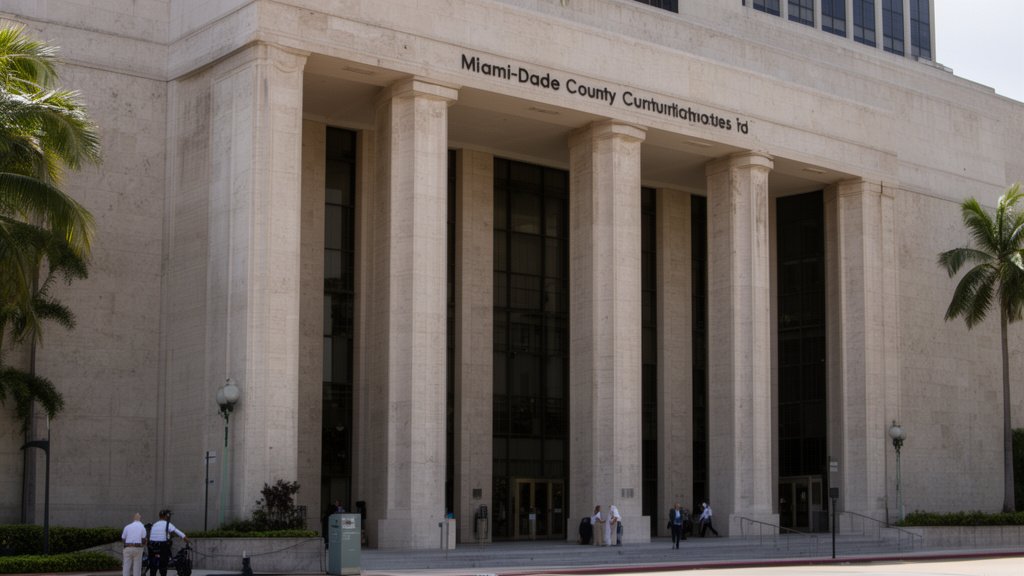
Miami city commissioners have halted plans for a local task force. This group would have investigated businesses with potential Cuban government ties. Instead, the city now urges federal authorities to enforce U.S. sanctions. This marks a significant shift in local policy. Commissioners voted on January 22nd. They directed the city manager to work with the Miami-Dade County tax collector. This collaboration focuses on enforcing state and federal laws. Furthermore, a resolution passed. It calls on the federal government to “vigorously investigate and enforce” relevant laws. These actions aim to remove the city from direct investigative roles. They also address concerns about legal liability.
Background of the Proposal
The original proposal had broader ambitions. Commissioner Ralph Rosado sponsored the initiative. It aimed to create a task force. This task force would be led by the city’s Office of the Inspector General. Its job was to review business tax receipts. The goal was to find violations of U.S. sanctions against Cuba. However, key figures expressed reservations. Commissioner Miguel Gabela supported targeting businesses linked to the Cuban regime. He also worried about lawsuits against the city. “My only concern is that we don’t get into legal wrangling,” Gabela stated. He suggested Miami-Dade County should lead enforcement. The city could then “piggyback” on those efforts. Chairwoman Christine King echoed these legal exposure fears. She also noted the proposal’s vague language. King worried it might unintentionally ensnare business owners. These owners might support family on the island.
Legal Concerns and City Attorney’s Input
City Attorney George Wysong clarified the changes. A substitute resolution eliminated the Inspector General-led task force. The revised plan directs the city manager to support the county tax collector. This aligns with existing law enforcement. Wysong noted Florida law allows local governments to revoke business tax receipts. This applies if businesses violate state or federal laws regarding Cuba. However, he pointed out that such statutes rely on federal determinations. The law also lacks clear definitions of prohibited activity. Ongoing federal litigation also questions the statute’s constitutionality. Wysong cautioned about potential city liability. He stated plainly, “I can’t say there is no liability associated with cooperating with the tax collector.”
County’s Role and Previous Actions
The Miami-Dade County Tax Collector’s office has already taken action. In October, the office sent letters to 75 businesses. These businesses were asked to prove legal authorization for Cuba dealings. Many failed to provide documentation. Consequently, 20 businesses had their licenses revoked in December. Tax Collector Dariel Fernandez views these actions as necessary. He calls the Cuban government “murderous.” He vows to enforce state and county laws. Fernandez cites Florida Statute 205.0532. This allows local governments to revoke business tax receipts. This applies to businesses violating federal law with Cuba. Miami-Dade County Code Administrative Order No. 3-13 also supports this. It directs the Tax Collector to revoke licenses if the U.S. Treasury confirms a lack of federal license. Fernandez stated his office will send more letters. He warned businesses risk closure if they do not comply.
Broader Context and Future Implications
This Miami decision reflects a larger debate. It highlights the complex relationship between local governments and federal foreign policy. It also shows concerns about legal risks. Some argue that local governments should not interfere. They believe foreign policy and sanctions enforcement are federal matters. Attorney Augusto Maxwell noted, “It really rests with the Office of Foreign Assets Control.” He stated federal regulations preempt local ones. However, local officials often feel compelled to act. They respond to constituent concerns. They also seek to align with strong anti-Cuba sentiment in Miami. The city’s shift emphasizes federal enforcement. It relies on the county tax collector. This approach aims to address legal liability. It also keeps the focus on federal agencies. The current affairs in Miami show this evolving strategy. This news affects local businesses and federal Cuba policy. The city of Miami wants to ensure compliance. However, it seeks to avoid costly legal battles. The Miami-Dade County tax collector continues enforcement efforts. His office has faced lawsuits over its actions. One travel agency sued, claiming abuse of authority. This indicates the ongoing legal and political tension. Miami’s current news cycle reflects these challenges.
Conclusion
Miami’s decision marks a strategic pivot. The city moves away from direct investigation. It now prioritizes federal and county enforcement. This step aims to mitigate legal risks. It also signals continued opposition to business ties with Cuba. The city relies on established authorities. It urges stronger federal action. This approach reflects local political realities. It also highlights federal jurisdiction in foreign policy matters. Miami will continue to monitor this situation closely.