Miami-Dade and Broward counties are currently under a critical heat advisory, with forecasters warning of dangerous conditions from 11 a.m. to 6 p.m. on Wednesday, July 8, 2026. The mercury is expected to climb, with heat indices projected to reach between 105 and 110 degrees Fahrenheit. This intense heatwave is exacerbated by the arrival of Saharan dust, a phenomenon that not only contributes to the elevated temperatures but also significantly limits the potential for much-needed rainfall in the region. Residents are strongly advised to take precautions against heat-related illnesses, as the extreme conditions pose a serious health risk.
Key Highlights:
- Heat advisory in effect for Miami-Dade and Broward counties on Wednesday, July 8, 2026, from 11 a.m. to 6 p.m.
- Expected heat indices range from 105 to 110 degrees Fahrenheit.
- Saharan dust is a contributing factor to the high temperatures and reduced rain chances.
- Little to no rain is forecast for the next two days, with a slight increase expected on Friday.
- Health risks from extreme heat necessitate precautions for residents.
Saharan Dust Intensifies South Florida Heatwave
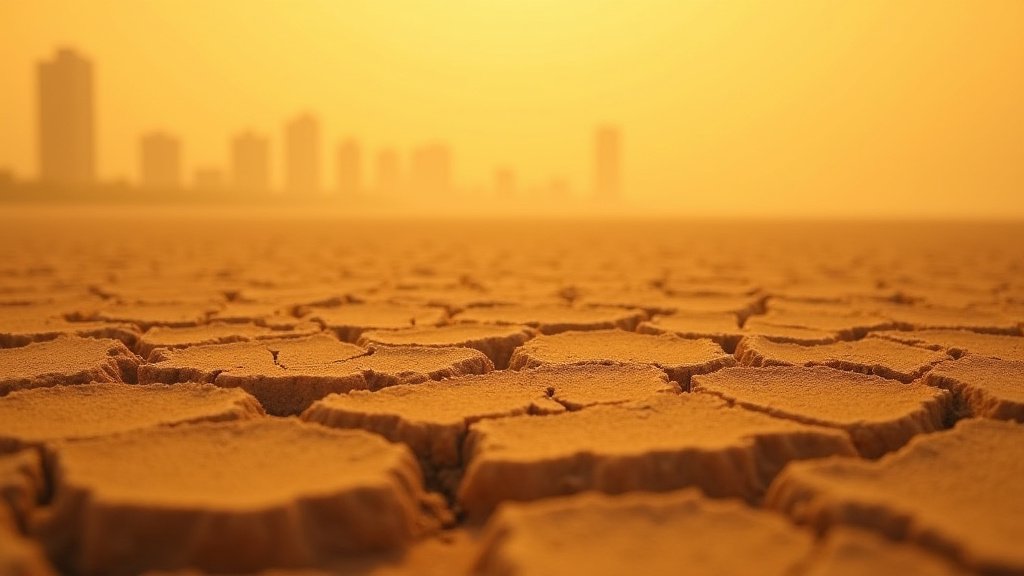
The convergence of a potent heat dome and the atmospheric presence of Saharan dust has created a perfect storm for sweltering conditions across South Florida. The Saharan Air Layer (SAL), a mass of dry, dusty air that originates over North Africa, has begun its westward journey across the Atlantic, impacting areas as far west as Florida. This dust layer acts as an insulator, trapping heat closer to the surface and suppressing the development of convective clouds that would typically bring cooling rain showers. Meteorologists at the National Weather Service (NWS) have emphasized that the SAL is a significant factor in driving up the heat index, creating a deceptive and dangerous thermal environment. The NWS Miami office has issued specific guidance for residents, urging them to limit outdoor activities during the peak heat hours, stay hydrated, and seek air-conditioned environments whenever possible. The prolonged period of high temperatures, coupled with the lack of significant rainfall, raises concerns about potential impacts on public health, agriculture, and local ecosystems. The limited rain forecast for the coming days means that the dry conditions are likely to persist, potentially exacerbating any existing drought concerns in the region.
Health Impacts and Precautions
The “feels like” temperature, or heat index, is the critical metric during these advisories. A heat index of 105-110°F signifies conditions where heatstroke and heat exhaustion are highly probable, especially with prolonged exposure or strenuous activity. Individuals working outdoors, the elderly, young children, and those with pre-existing health conditions are particularly vulnerable. The local health departments are urging citizens to “beat the heat” by staying indoors in cool environments, drinking plenty of fluids (avoiding dehydrating beverages like alcohol and excessive caffeine), wearing lightweight and light-colored clothing, and checking on vulnerable neighbors. Public cooling centers are expected to be activated if the heatwave extends beyond Wednesday. The absence of cloud cover, also influenced by the Saharan dust, further intensifies the solar radiation reaching the ground, compounding the heat stress.
Saharan Dust: A Recurring Summer Phenomenon
While the Saharan dust phenomenon is a recurring event during the summer months, the current concentration and its timing with a strong heat event are notable. The SAL typically begins in late spring and can last through the summer, often peaking in June and July. Its journey across the Atlantic is a natural atmospheric process, but its impact on local weather patterns in Florida can be substantial. Beyond heat and reduced rainfall, the dust can also lead to hazy skies and more vibrant sunrises and sunsets. Ecologically, it transports nutrients, such as iron and phosphorus, to the Amazon rainforest and the Atlantic Ocean, playing a role in marine ecosystems. However, for South Florida, the immediate concern remains the oppressive heat and the associated health risks. The long-term implications of such dust events on weather patterns and climate are subjects of ongoing scientific research, with models seeking to better predict the frequency and intensity of these atmospheric intrusions.
Forecast Beyond the Advisory
Looking ahead, the forecast offers little immediate respite from the heat, though a marginal increase in rain chances is anticipated by Friday. Following Wednesday’s intense heat advisory, Thursday is also expected to remain very hot, though the heat index might slightly decrease as the Saharan dust layer potentially thins or shifts. The “little to no rain” prediction for Wednesday and Thursday underscores the drying trend, which can amplify heat effects and pose fire risks in vegetated areas. By Friday, atmospheric models suggest a slight uptick in moisture, potentially leading to scattered showers or thunderstorms. However, these are not expected to bring widespread relief or significantly break the heatwave. Residents should continue to monitor weather updates closely as these conditions evolve.
FAQ: People Also Ask
What is the heat index?
The heat index, often referred to as “feels like” temperature, combines air temperature and relative humidity to determine the apparent temperature, or how hot it actually feels to the human body. At a heat index of 105-110°F, the risk of heat-related illnesses is high.
How does Saharan dust affect the weather in Florida?
Saharan dust, also known as the Saharan Air Layer (SAL), is a mass of dry, dusty air that travels across the Atlantic. It can suppress cloud formation and rainfall, trap heat near the surface, leading to higher temperatures and humidity. It can also cause hazy skies.
What are the symptoms of heat exhaustion and heatstroke?
Heat exhaustion symptoms include heavy sweating, clammy skin, dizziness, nausea, headache, and muscle cramps. Heatstroke is a more severe condition with symptoms like high body temperature (103°F or higher), hot red, dry or damp skin, rapid pulse, confusion, and loss of consciousness. Heatstroke is a medical emergency.
How can I protect myself during a heat advisory?
Stay hydrated by drinking plenty of water, limit outdoor activities during peak heat hours (11 a.m. to 6 p.m.), wear lightweight and light-colored clothing, seek air-conditioned spaces, and check on vulnerable individuals.
When will the Saharan dust leave Florida?
The duration of Saharan dust events varies. While some dust may linger, the most significant impacts on heat and rainfall suppression are often concentrated during the initial passage of the dust layer, which can last for several days.