Miami-Dade and Broward counties are currently under a critical heat advisory, with the National Weather Service issuing the alert for July 8, 2026, from 11 a.m. to 6 p.m. Residents are advised to prepare for extreme heat conditions as heat index values are projected to soar between 105 and 110 degrees Fahrenheit, while actual air temperatures will hover in the low 90s. This oppressive heat is compounded by the arrival of Saharan dust, a phenomenon that not only limits the chances of much-needed rainfall but also contributes to the elevated temperatures and can exacerbate respiratory conditions for vulnerable populations.
Key Highlights:
- Extreme Heat Expected: Heat indices will reach dangerous levels, between 105-110°F.
- Saharan Dust Impact: Dust from the Sahara Desert is contributing to dry conditions and higher temperatures.
- Limited Rainfall: Little to no rain is forecast for the next two days, with a slight chance returning by Friday.
- Advisory Details: The heat advisory is in effect for Miami-Dade and Broward counties on July 8, 2026, from 11 a.m. to 6 p.m.
South Florida Under Siege: Heatwave Meets Atmospheric Haze
The confluence of high temperatures and Saharan dust has created a challenging environment for South Florida. The National Weather Service has been explicit in its warnings, emphasizing the health risks associated with prolonged exposure to such extreme heat. The advisory serves as a stark reminder for individuals to take precautions, including staying hydrated, seeking air-conditioned spaces, and avoiding strenuous outdoor activities during peak heat hours. The presence of Saharan dust, a massive plume of dry air originating from North Africa, plays a significant role in this scenario. Typically, these dust layers suppress cloud formation, thereby inhibiting rain and intensifying solar radiation that heats the surface. This dual threat of intense heat and reduced moisture creates a perfect storm for heat-related illnesses.
The Science Behind the Swelter: Saharan Dust’s Dual Role
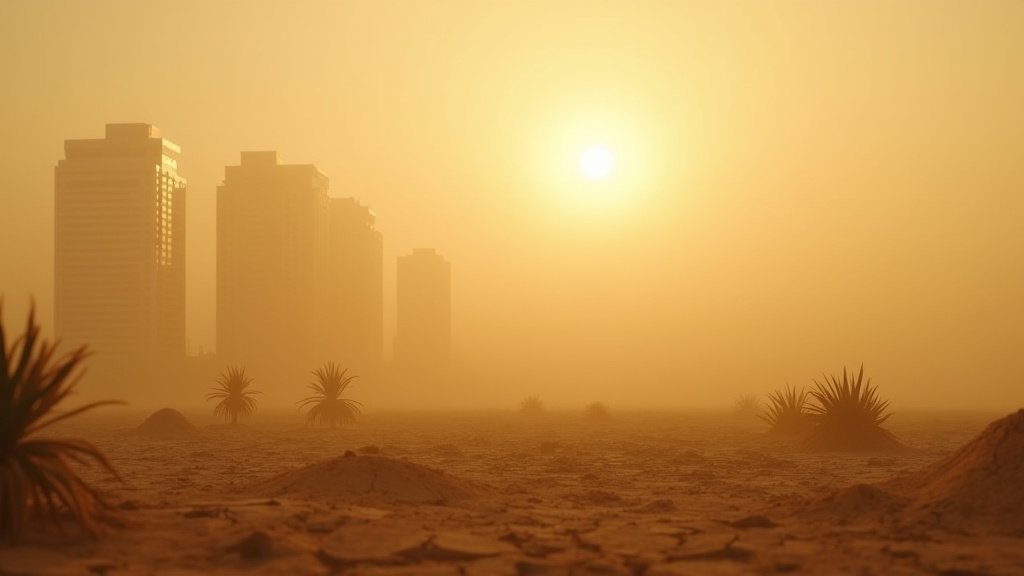
Saharan dust layers, often visible as a hazy veil across the sky, are not merely an aesthetic concern. Scientifically, these particles can alter atmospheric conditions significantly. When present in high concentrations, they absorb and reflect solar radiation, leading to warmer surface temperatures. Furthermore, the dry air associated with Saharan dust outbreaks inhibits convection, the process crucial for thunderstorm development, thus reducing rainfall. This effect is particularly pronounced in regions like South Florida, which are often susceptible to tropical weather patterns that could bring relief. For the next two days, the outlook is predominantly dry, with only a marginal possibility of rain returning by Friday. This lack of precipitation will do little to alleviate the heat and may even lead to a rapid increase in dry conditions, posing potential fire risks in vegetated areas.
Health Implications and Vulnerable Populations
The implications of this heat advisory extend beyond mere discomfort. Health experts, including those at the Centers for Disease Control and Prevention (CDC), consistently highlight the dangers of heatstroke and heat exhaustion, especially for the elderly, young children, individuals with pre-existing health conditions, and those without adequate access to cooling. The Saharan dust, while primarily impacting weather patterns, also carries a risk for those with respiratory issues, such as asthma or allergies, as the fine particles can irritate airways. Local authorities are urging residents to check on neighbors and relatives who may be more vulnerable and to utilize public cooling centers if available. The combination of high heat and air quality concerns due to the dust necessitates a heightened awareness of personal well-being.
Preparing for the Heat: A Community Response
In anticipation of the extreme conditions, local governments and emergency management agencies are activating their preparedness plans. This typically involves issuing public service announcements, coordinating with cooling centers, and ensuring that essential services are equipped to handle potential heat-related emergencies. The Miami-Dade County Emergency Management and Public Works departments are likely to be at the forefront of these efforts, disseminating information and resources to the public. Residents are reminded of basic heat safety measures: drink plenty of fluids, wear lightweight and light-colored clothing, and reschedule outdoor activities to cooler times of the day, such as early morning or late evening. The National Weather Service’s advisory is a critical tool for public safety, and heeding its guidance is paramount.
Future Outlook: A Glimmer of Rain by Friday?
While the immediate forecast points to continued hot and dry weather, there is a slight, yet hopeful, indication that a chance of rain could return by Friday. Meteorologists are closely monitoring weather patterns for any shifts that might bring moisture back into the region. However, until then, the focus remains on managing the immediate threat of the heat advisory. The ebb and flow of Saharan dust events are a natural, albeit impactful, part of the summer weather in this region. Understanding these patterns helps in preparing for and mitigating their effects, ensuring the safety and well-being of the community.
FAQ: People Also Ask
What are the primary risks associated with a heat advisory?
Primary risks include heat exhaustion, heatstroke, dehydration, and the exacerbation of pre-existing health conditions, particularly respiratory and cardiovascular issues. The high heat index can make the body unable to cool itself effectively through sweating.
How does Saharan dust affect local weather?
Saharan dust significantly impacts local weather by suppressing cloud and rain formation, leading to drier conditions and higher surface temperatures. It can also affect air quality, causing haze and potentially irritating respiratory systems.
What should I do during a heat advisory?
During a heat advisory, it’s crucial to stay hydrated by drinking plenty of water, wear light-colored and loose-fitting clothing, limit strenuous outdoor activities, seek air-conditioned environments, and check on vulnerable individuals like the elderly and young children.
When is the heat advisory expected to end?
The current heat advisory for Miami-Dade and Broward counties is in effect on July 8, 2026, from 11 a.m. to 6 p.m. Conditions will be monitored for potential extensions or changes.
Is there any relief in sight from the heat and dryness?
A slight chance of rain is forecast to return by Friday, which could offer some minor relief. However, the intense heat is expected to persist until conditions change significantly.