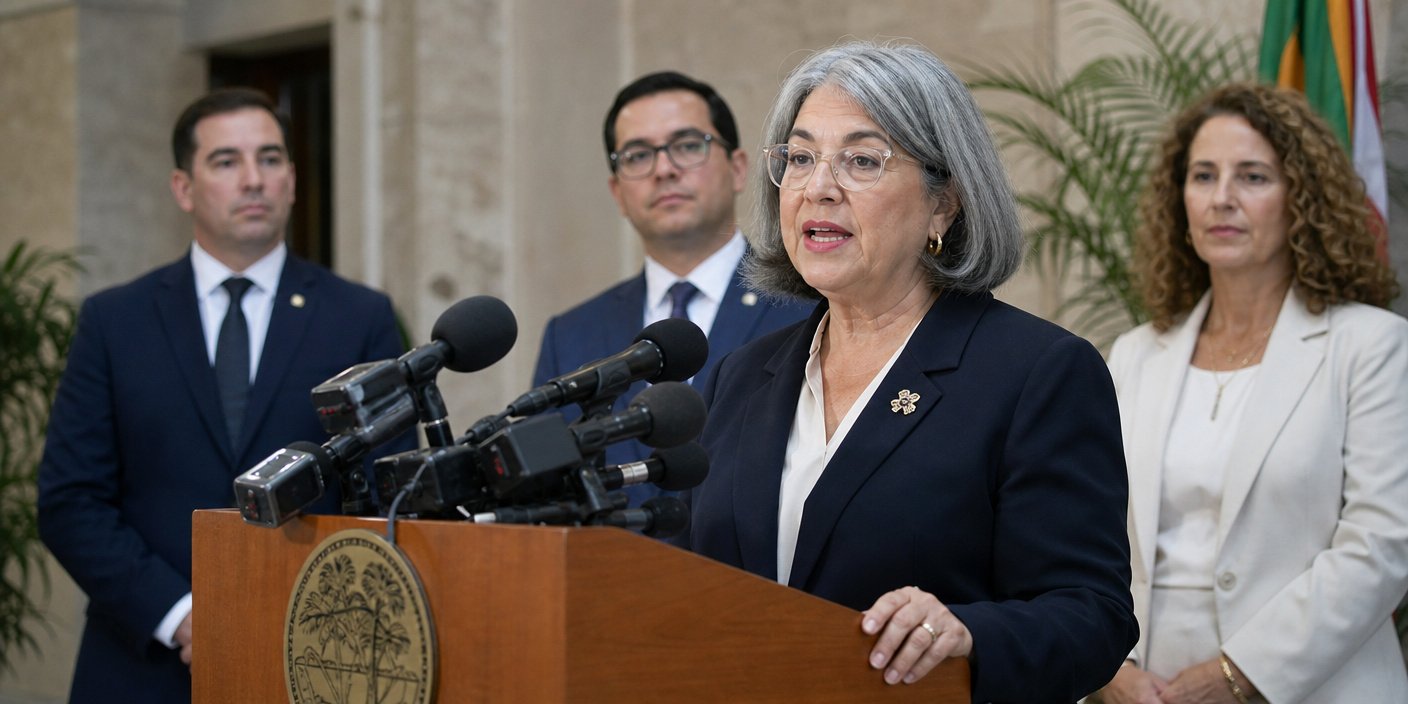
A pivotal change to the City of Miami’s charter is on the horizon, proposing to mandate that all future vacancies in the offices of mayor and city commissioner be filled exclusively through special elections. This initiative aims to remove the city’s current ability to appoint individuals to these high-profile roles, thereby shifting the decision-making power directly to the electorate. The proposed charter amendment is scheduled for a significant discussion on July 9th, a date that could reshape Miami’s political landscape.
Key Highlights:
- Exclusive Election Mandate: The proposed charter change would require all future mayoral and city commissioner vacancies to be filled through elections, not appointments.
- Voter Empowerment Focus: Proponents argue this change enhances democratic accountability by ensuring voters directly choose their representatives.
- Upcoming Deliberation: City officials are set to discuss the charter amendment on July 9th.
- Potential Governance Shift: The move could significantly alter how leadership transitions occur within the City of Miami government.
Voter Control: Miami Charter Faces Potential Overhaul for Elected Official Vacancies
The City of Miami is on the cusp of a significant governance reform that could fundamentally alter how elected official vacancies are handled. A proposed amendment to the city charter seeks to exclusively reserve the filling of mayoral and city commissioner vacancies for the voters through special elections. This move would eliminate the existing provision that allows for appointed replacements, a practice that has been a part of Miami’s municipal governance for years. The rationale behind this proposed change centers on the principle of direct democratic representation, ensuring that citizens have the ultimate say in who occupies their highest elected offices. The current charter allows for the city commission to appoint a replacement if a commissioner’s seat becomes vacant, or for the commission to appoint a mayor if the mayoral office is vacated before the end of a term. This proposal, however, would put an end to such appointments, mandating a public vote for any future openings.
The debate surrounding this charter change taps into broader discussions about representation and accountability in local government. Advocates for the amendment argue that allowing appointments bypasses the will of the people and can lead to a less representative outcome. They contend that elected officials should only be placed in office through the democratic process of voting. This perspective emphasizes that an appointed official, while potentially qualified, does not carry the same mandate as someone chosen directly by the electorate. The potential ramifications of this change are substantial. For instance, if a mayor were to vacate the office mid-term, the city would be compelled to hold a special election, incurring costs and potentially leading to a period of extended campaigning and uncertainty before a permanent successor is chosen. Similarly, a vacant commission seat would trigger an election process, impacting the balance of power and representation on the commission.
Historical Context and Precedents
While this specific proposal is new, the tension between appointed and elected roles in filling vacancies is a recurring theme in municipal governance across the United States. Many cities have different approaches, with some defaulting to appointments for expediency and cost-effectiveness, while others prioritize special elections to ensure direct voter input. Examining how other municipalities have navigated similar charter changes could provide valuable insights into the potential successes and challenges Miami might face. For example, cities that have moved towards mandatory special elections often cite increased voter engagement and a stronger sense of legitimacy for newly elected officials. However, these transitions can also be fraught with logistical hurdles and financial burdens associated with organizing expedited elections. The City of Miami’s charter has undergone amendments in the past to reflect evolving political priorities and citizen demands, and this proposal represents another potential chapter in that ongoing evolution.
Financial and Logistical Implications
The decision to mandate special elections carries significant financial and logistical implications for the City of Miami. Special elections are expensive undertakings, involving costs for voter registration, ballot printing, polling station operations, staff time, and election oversight. These costs can run into hundreds of thousands, or even millions, of dollars depending on the office and the scope of the election. Furthermore, organizing a special election requires a complex logistical framework, including setting election dates, qualifying candidates, conducting early voting, and the final tabulation of results, all within a compressed timeframe dictated by election law. This could place a considerable strain on the city’s administrative resources and budget. The city’s elections department would need to be prepared for rapid deployment of resources and personnel. The impact on campaign finance regulations and the political dynamics of special elections also warrant consideration, as these contests often have different fundraising and campaigning norms compared to regularly scheduled elections.
Future Predictions and Governance Models
If the proposed charter amendment is approved, it could signal a broader trend towards greater direct democracy in municipal governance. It might inspire similar initiatives in other cities looking to enhance voter control over leadership transitions. The long-term impact on political stability and leadership continuity in Miami remains to be seen. While it empowers voters, it could also lead to more frequent electoral contests and potentially shorter tenures for officials if vacancies arise frequently. The City of Miami’s political leadership will need to carefully weigh the benefits of direct voter participation against the practical considerations of election costs and logistical complexities. The decision on July 9th will be a critical indicator of the city’s commitment to a particular model of governance and its faith in the electorate to make crucial leadership decisions.
FAQ: People Also Ask
Q1: What is the main purpose of the proposed Miami charter change?
A1: The main purpose is to mandate that all future vacancies for mayor and city commissioner be filled exclusively through special elections, thereby removing the option for the city to appoint replacements.
Q2: When is the discussion scheduled for this charter change proposal?
A2: The discussion for the proposed charter change is scheduled for July 9th.
Q3: Why are some people in favor of this change?
A3: Proponents argue that it enhances democratic accountability by ensuring voters directly select their representatives, rather than having them appointed.
Q4: What are the potential downsides of filling vacancies through elections?
A4: Potential downsides include the significant costs associated with holding special elections and the logistical complexities involved in organizing them, as well as potential periods of uncertainty before a new leader is chosen.
Q5: Does this change affect all elected positions in Miami, or just mayor and city commissioner?
A5: The proposed change specifically targets vacancies in the offices of mayor and city commissioner.