Miami’s local music scene is defying expectations this August, as a curated list of ten essential new tracks showcases a vibrant, genre-fluid landscape that stretches far beyond the city’s global reputation for Latin pop and nightlife anthems. Published by the Miami New Times, this monthly deep dive highlights the technical versatility and artistic hunger of the 305’s independent musicians, proving that the city’s cultural output is as diverse as its population.
Key Highlights
- Genre Diversity: The list spans an eclectic mix including bedroom pop, metallic hardcore, jazz, and high-energy EDM.
- Independent Growth: Focus on local artists who are carving out distinct identities in a competitive, digital-first music landscape.
- Cultural Pulse: A snapshot of Miami’s current soundscape, moving from introspective home-recorded melodies to high-decibel, experimental sonic landscapes.
- Regional Significance: These tracks represent the grassroots vitality of the Miami music community, offering a glimpse into the next wave of local talent.
The Anatomy of the 305 Sound: A Monthly Sonic Overview
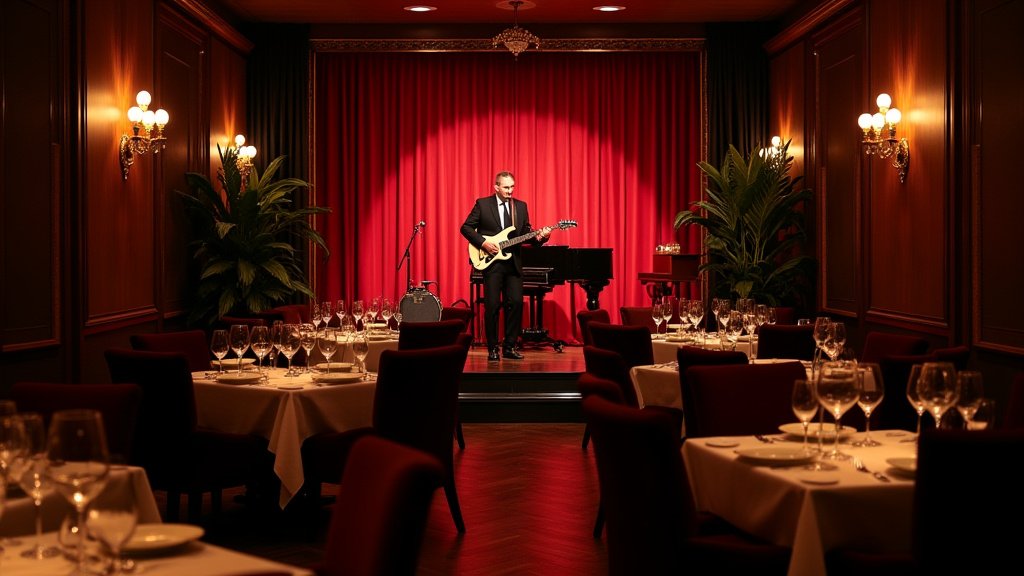
The Miami music scene has historically been categorized by its proximity to international touring circuits and its dominance in the global Latin market. However, the August curation by the Miami New Times reveals a pivot towards introspective, hyper-local production styles. By examining the selected tracks, we observe a deliberate movement away from commercial viability toward genuine artistic experimentation. The inclusion of metallic hardcore alongside jazz fusion indicates a scene where audiences are increasingly platform-agnostic, valuing high-fidelity production and raw, unfiltered expression over genre adherence.
The Shift Toward Hybridized Genres
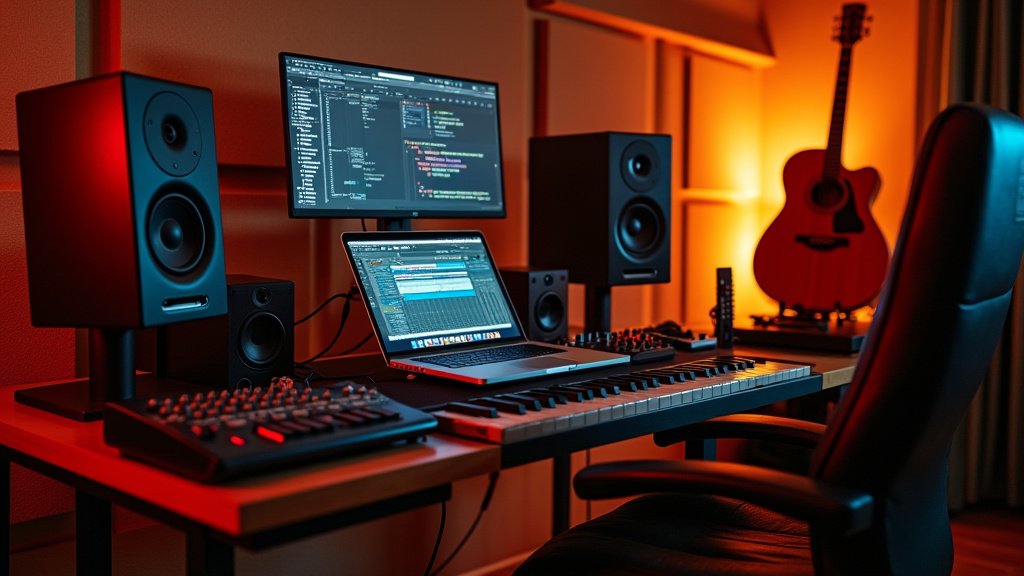
One of the most compelling aspects of the August selection is the prevalence of genre-hybridization. Artists within the bedroom pop sphere are incorporating lo-fi electronic elements, while the metallic hardcore acts are experimenting with ambient textures, blurring the lines between aggression and atmosphere. This trend is not merely stylistic; it is a economic response to the fragmentation of modern music consumption. By blending genres, these Miami-based artists are effectively broadening their potential listener base, tapping into niche digital communities that span continents. The integration of jazz into this modern mix serves as an anchor, grounding the more experimental electronic and heavy components in complex harmonic structures that challenge the listener.
The Economic Impact of the Local Independent Scene
Behind the ten tracks featured this month lies a complex web of economic dynamics. Unlike major label artists who rely on mass-market saturation, these Miami independent musicians operate within a ‘micro-economy’ model. The reliance on platforms like Bandcamp, SoundCloud, and independent streaming aggregators allows these artists to retain a larger percentage of royalties while minimizing overhead costs. However, this shift comes with its own set of challenges. The high cost of living in Miami presents a barrier to entry for many creative professionals, often forcing artists to balance studio time with demanding non-music careers. Despite these pressures, the influx of high-quality local productions suggests that the ‘gig economy’ model—once limited to ride-sharing and food delivery—has successfully permeated the creative sector, enabling a resilient, if demanding, environment for local musicians.
Future Predictions: The Digital-Live Disconnect
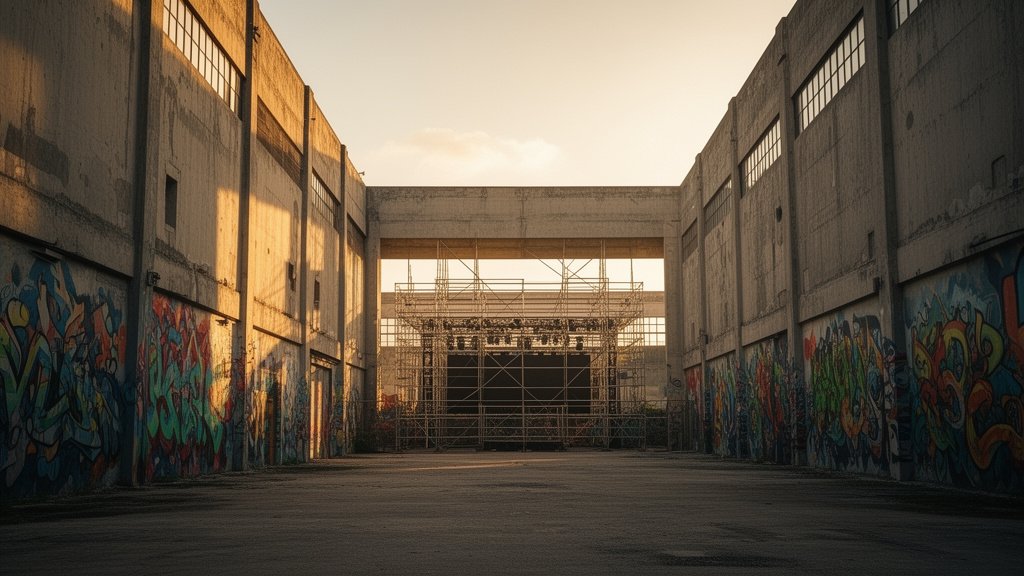
As we look toward the remainder of 2024, the divide between digital success and live performance remains the primary hurdle for Miami’s independent acts. While these ten tracks have clearly mastered the digital-first release strategy—perfecting audio production, aesthetic visual branding, and social media promotion—the transition to live touring remains fragmented. The current landscape suggests that we will see a shift in venue management. Rather than relying on traditional club models, the next phase of Miami music will likely be defined by alternative, warehouse-style performance spaces that prioritize audio quality and intimate artist-to-audience experiences. This move toward ‘experience-based’ performances will be necessary to justify the ticket prices needed to sustain local artists in a post-inflation economic environment.
FAQ: People Also Ask
Q: How does Miami’s independent music scene differ from other major cities?
A: Miami’s scene is unique due to its cultural crossroads; it is a point where Caribbean, Latin American, and American influences collide, leading to a higher-than-average rate of genre-blending and experimentation compared to more homogenous scenes.
Q: Are these artists signed to major labels?
A: The majority of the artists highlighted in the Miami New Times monthly curation are independent, operating without major label backing, which allows them more creative freedom but requires more self-marketing and logistical effort.
Q: Where can I hear these tracks?
A: These tracks are generally available across major streaming platforms including Spotify, Apple Music, and Bandcamp, which the Miami New Times typically links directly in their coverage to drive discovery.
Q: Is the Miami music scene growing?
A: Yes, the influx of tech and creative talent into Miami has sparked a resurgence in independent music, supported by a growing network of local producers, engineers, and DIY venue organizers.