Miami voters are poised to influence the city’s civic and cultural future this August, as the upcoming ballot presents two significant referendums. These measures, approved by the Miami City Commission, address fundamental questions about how the city manages its political calendar and how it stewards one of its most iconic architectural landmarks, the Miami Marine Stadium. As the city navigates growth and administrative reform, these ballot items represent a pivotal intersection of governance, fiscal policy, and historical preservation.
Shifting the Political Clock: The Even-Year Election Mandate
The first of the two referendums centers on a structural change to Miami’s municipal election cycle. Currently, Miami holds its city elections in odd-numbered years, a scheduling practice that has long been criticized by civic advocates for contributing to chronically low voter turnout. The proposed referendum seeks to align Miami’s municipal elections with state and federal cycles, moving the contests to even-numbered years.
Proponents of this shift argue that the current schedule isolates municipal issues from the broader civic discourse. By moving elections to even-numbered years—where races for the presidency, governorship, and congressional seats drive voter engagement—the city hopes to capture a larger, more representative segment of the electorate. The logic is simple: when the ballot is crowded with high-profile national and state contests, the likelihood of a voter casting a ballot for local commissioners and the mayor increases significantly.
However, the transition involves complex administrative hurdles. Opponents and skeptics point toward the possibility of “ballot fatigue,” where local municipal races might be overshadowed by national political messaging. There is also the logistical challenge of managing a significantly larger volume of voters during what is already a high-traffic election period. If passed, the city will likely undergo a phased transition, adjusting the terms of sitting officials to ensure consistency with the new calendar.
Revitalizing the Marine Stadium: The Public-Private Balance
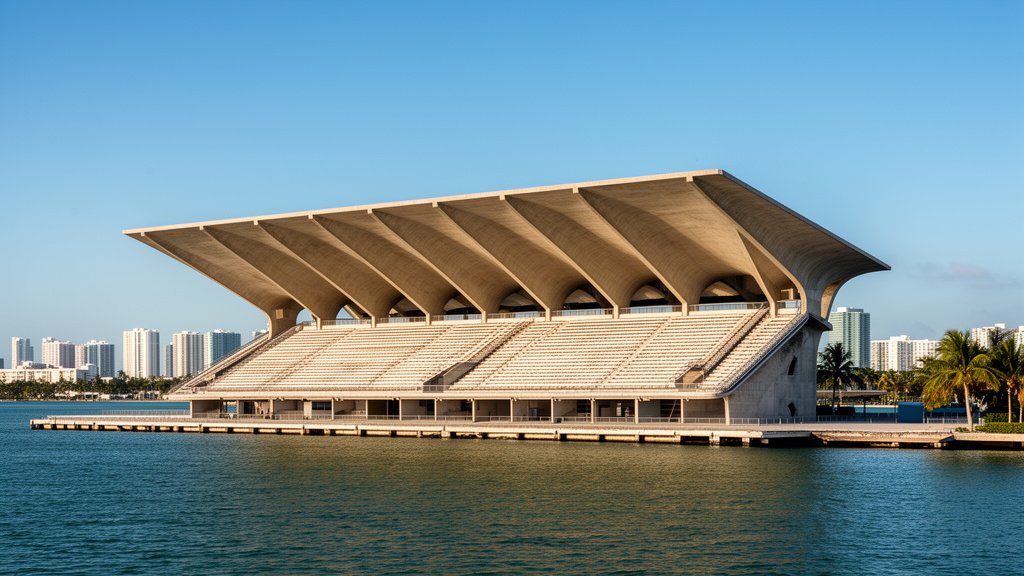
The second major item on the August ballot concerns the future of the Miami Marine Stadium. Built in 1963 and famously closed in 1992 following damage from Hurricane Andrew, the stadium has remained a dormant architectural masterpiece on Virginia Key. For decades, the site has been the subject of numerous “save the stadium” initiatives, but the path to restoration has been paved with legal disputes and funding deadlocks.
This referendum proposes a shift in the management framework of the site. Specifically, it seeks voter authorization for a long-term public management and lease agreement for the stadium. Currently, city charter requirements necessitate voter approval for long-term leases on waterfront property. This referendum aims to streamline the process by allowing the city to enter into a long-term agreement with a private or non-profit partner for the restoration and operation of the stadium without needing to return to the ballot box for every specific contract iteration.
Supporters view this as the only viable mechanism to unlock the site’s potential. Without a clear path to long-term control, potential investors and operators remain hesitant to commit the tens of millions of dollars required for structural rehabilitation. By granting the city the authority to manage this lease proactively, officials hope to finally transform the decaying concrete relic into a functional waterfront venue once again.
Analyzing the Broader Civic and Economic Impact
Beyond the immediate logistical details of these referendums, the ballot measures highlight three secondary angles that merit close inspection: historical preservation, economic scalability, and governance reform.
First, from a historical preservation standpoint, the Marine Stadium represents a unique mid-century modern architectural heritage. The site is listed on the National Register of Historic Places, and its restoration is not just a real estate project, but a cultural imperative for the city’s identity. The referendum acts as a test case for whether the city can balance its charter protections with the flexibility required for 21st-century urban redevelopment.
Second, the economic implications of the election cycle change are profound. Even-year elections could theoretically reduce the overall cost of elections by sharing the administrative burden with state and county resources. However, it also changes the campaign finance landscape. Running a campaign during a national election cycle is vastly more expensive due to the cost of advertising and the competition for voter attention. This could potentially favor incumbents or those with significant fundraising capabilities, altering the democratic “level playing field.”
Finally, the issue of municipal governance reform is at the heart of both items. Both the election calendar change and the Marine Stadium management agreement reflect a desire to optimize city functionality. Whether by increasing voter participation or clearing bureaucratic red tape for property development, the Miami City Commission is clearly signaling an intent to modernize the city’s administrative approach. The August ballot will serve as a referendum on whether the public trusts the current administration to manage these shifts, or whether they prefer the status quo of local autonomy and direct voter oversight.
FAQ: People Also Ask
1. Why is there a push to change Miami’s election cycle to even-numbered years?
The primary driver is voter turnout. Historically, municipal elections in odd years see low participation rates. Aligning with state and federal elections is intended to leverage the higher voter engagement associated with national races.
2. Will the Marine Stadium referendum guarantee its restoration?
Not immediately. The referendum provides the city with the legal authority to sign a long-term management lease. This is a prerequisite to attracting the necessary private or philanthropic investment required to restore the structure, which has been closed since 1992.
3. What does the charter change require for the Marine Stadium?
The current city charter requires voter approval for long-term waterfront leases. This ballot measure seeks a specific exception or authorization to empower the city to negotiate these terms without constant voter intervention, aimed at accelerating the project’s viability.
4. Are these referendums legally binding for the City Commission?
Yes. Once a referendum is approved by voters, it becomes part of the city’s mandate or charter provisions, meaning the Commission must act according to the new authority granted (or restricted) by the ballot results.