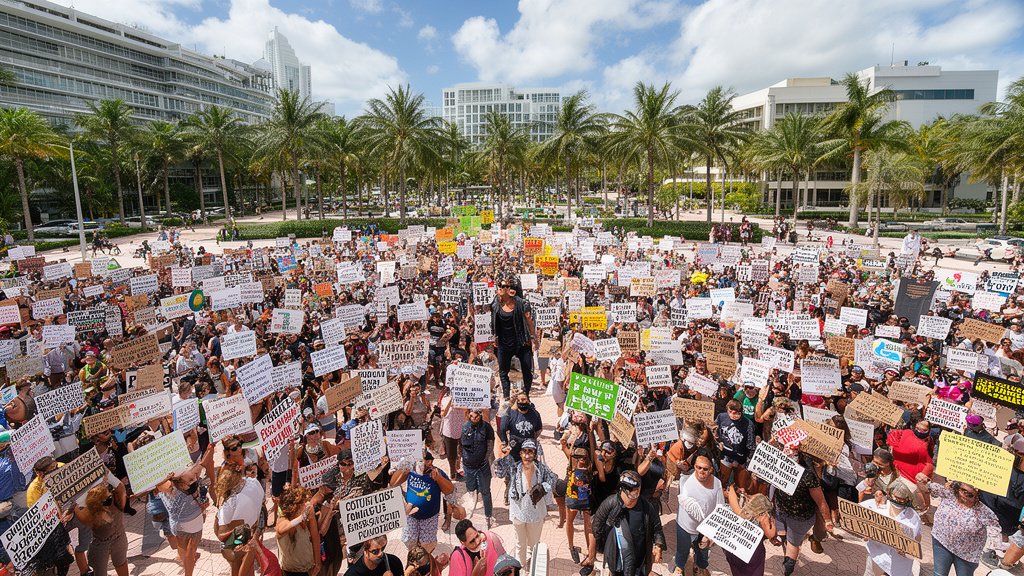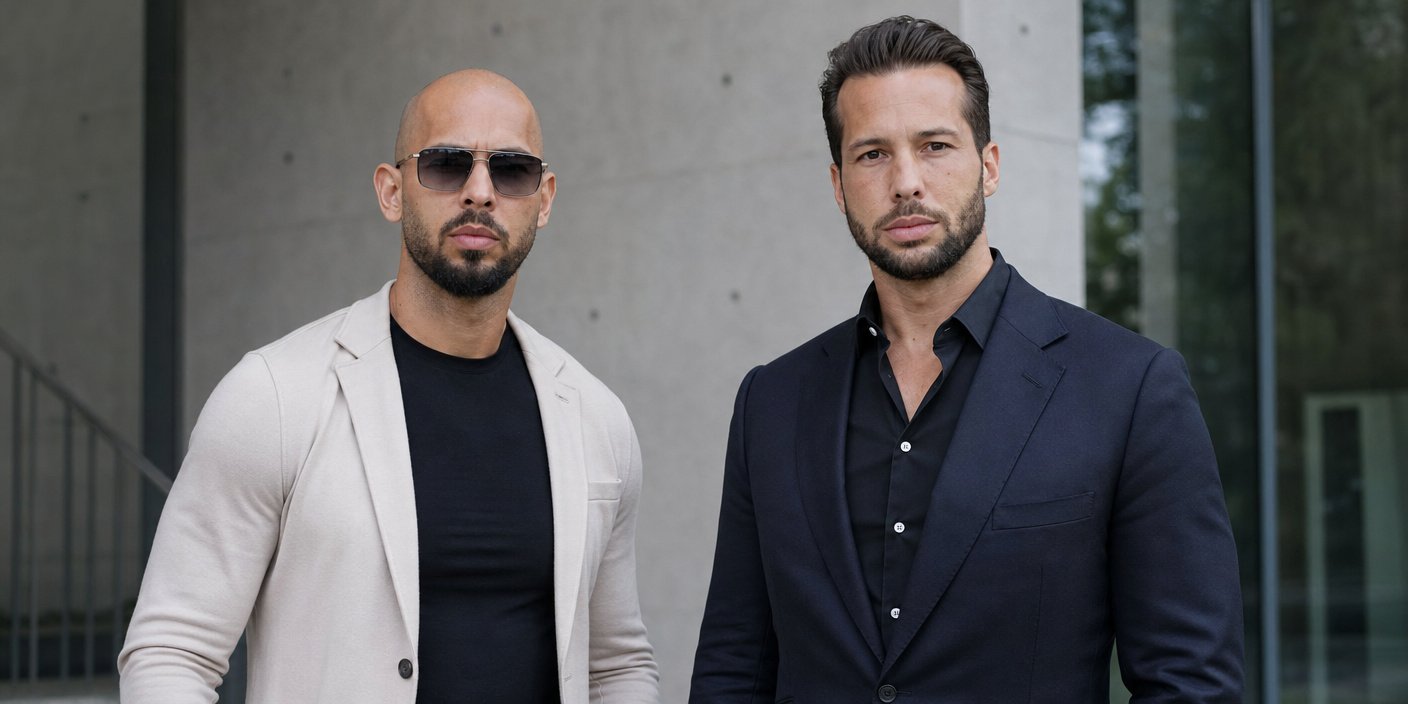
Social media influencers Andrew and Tristan Tate were taken into custody in Miami, Florida, marking a significant escalation in their ongoing international legal troubles. The arrest follows the filing of 38 new charges by UK authorities, which include serious allegations of sexual assault and trafficking-related offenses. The development has sent shockwaves through their global digital following and marks a new chapter in the legal scrutiny surrounding the brothers’ business operations and personal conduct.
Key Highlights
- Miami Apprehension: Andrew and Tristan Tate were detained by local law enforcement in Miami following a warrant issued in connection with UK-based investigations.
- The 38 Counts: The indictment encompasses 38 specific charges, primarily focusing on allegations of sexual assault and human trafficking.
- Cross-Border Legal Scrutiny: This arrest adds a complex layer of international jurisdiction to the brothers’ existing legal battles, which have primarily been centered in Romania.
- Future Proceedings: The Tates are expected to appear in a Miami courtroom to face the initial stages of extradition and legal processing regarding these charges.
The Legal Shift: From Romania to a US-UK Nexus
The arrest in Miami represents a profound shift in the legal trajectory for the Tate brothers. For years, the pair has been embroiled in high-profile investigations in Romania, where they have faced similar accusations. However, the involvement of UK authorities—specifically the Crown Prosecution Service (CPS) and local police divisions—indicates that the scope of the investigations has widened significantly. The 38 charges, which have been under seal until recently, suggest a coordinated effort by UK law enforcement to hold the brothers accountable for events that allegedly occurred on British soil prior to their relocation.
Analyzing the 38 Charges
Legal experts suggest that an indictment of this size—38 separate counts—is rarely a coincidence. It is often the result of meticulous evidence gathering, including digital footprints, witness testimony, and financial records. The charges of sexual assault and trafficking are among the most severe in the UK legal system.
The complexity of these charges lies in their potential to trigger extradition treaties. When UK authorities file charges against individuals located in the United States, it necessitates a complex interplay between the US Department of Justice and British prosecutors. The Miami arrest serves as the entry point for what will likely be a lengthy battle in both the courtroom and the public sphere.
The Role of International Jurisprudence
This case poses unique questions about international jurisdiction. With existing legal processes ongoing in Eastern Europe and now new charges arising from the UK, the Tates are facing a “tri-state” legal pressure point. The US arrest, while likely preliminary, forces the issue of whether the brothers will be held in American custody or surrendered to UK authorities to answer for the allegations.
Legal analysts note that the “Tate phenomenon” has been characterized by its defiance of traditional authority. However, international law often operates on a timeframe that is indifferent to social media influence. The cooperation between UK police and their international counterparts signifies that the jurisdictional boundaries that once may have provided some level of insulation are rapidly dissolving.
The Impact on the Digital Influencer Economy
Beyond the courtroom, this arrest highlights a broader shift in how authorities treat major digital influencers. For years, the Tates leveraged their massive online presence to build a brand centered on wealth, autonomy, and non-conformity. However, this arrest underscores the reality that digital influence does not grant immunity from criminal investigation.
We are witnessing a new era of digital policing. When individuals command audiences of millions, their actions are placed under a microscope, and their digital footprints are scrutinized by investigators seeking patterns of behavior. The 38 charges in the UK are not merely legal data points; they are the result of an exhaustive audit of the brothers’ movements and associations. The industry will be watching closely to see if this event creates a chilling effect on creators who rely on controversial content as a primary growth strategy.
The Road Ahead: Anticipating the Defense
The Tate brothers have consistently denied all allegations, maintaining that they are the victims of a targeted campaign designed to discredit them and silence their influence. It is expected that their legal team will approach these 38 charges with a strategy similar to their Romanian defense: challenging the credibility of the evidence, questioning the integrity of the investigative agencies, and attempting to frame the proceedings as politically motivated.
However, the UK legal system is known for its rigor in prosecuting trafficking and sexual offenses. The defense will need to navigate a landscape of evidentiary standards that are quite distinct from those in the US or Romania. The upcoming court appearances in Miami will likely be the first step in determining whether the brothers will be extradited, released on bond, or held pending further legal developments.
FAQ: People Also Ask
1. What are the 38 charges against the Tates in the UK?
While the full indictment details are being processed through the courts, they primarily consist of charges related to sexual assault and human trafficking, stemming from evidence gathered by UK authorities regarding their conduct while residing in the UK.
2. How does this arrest in Miami affect their ongoing legal issues in Romania?
It creates a complicated legal conflict. The Tates now face legal accountability in multiple jurisdictions. US courts will likely have to coordinate with both Romanian and UK authorities regarding custody and potential extradition.
3. Will the Tates face immediate extradition to the UK?
Extradition is a lengthy legal process. The initial court appearance in Miami will determine their immediate status, such as whether they are granted bail, and will kick off the formal process for the UK’s extradition request.
4. Why did UK authorities wait until now to file these charges?
Prosecutions of this magnitude often require years of investigation to build a case that meets the “reasonable prospect of conviction” standard required by the Crown Prosecution Service. This likely involves aggregating testimony and digital evidence collected over an extended period.