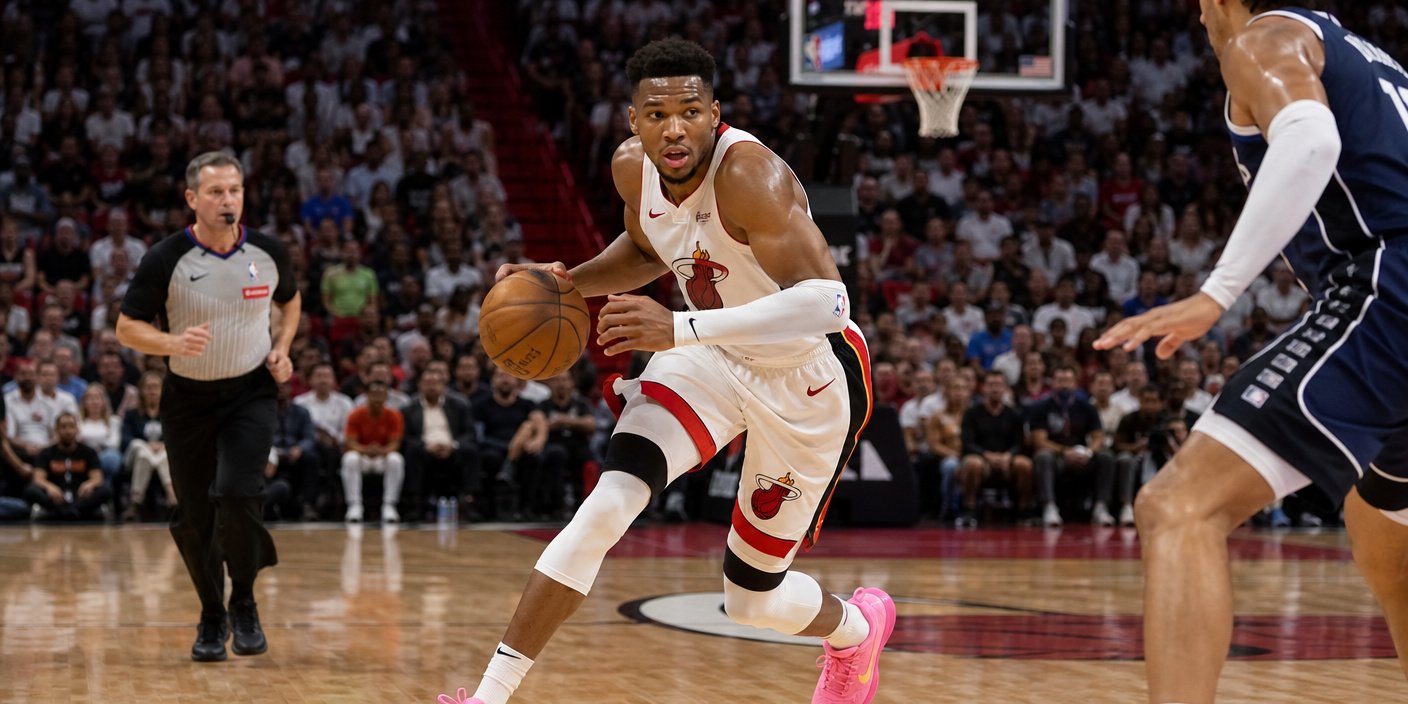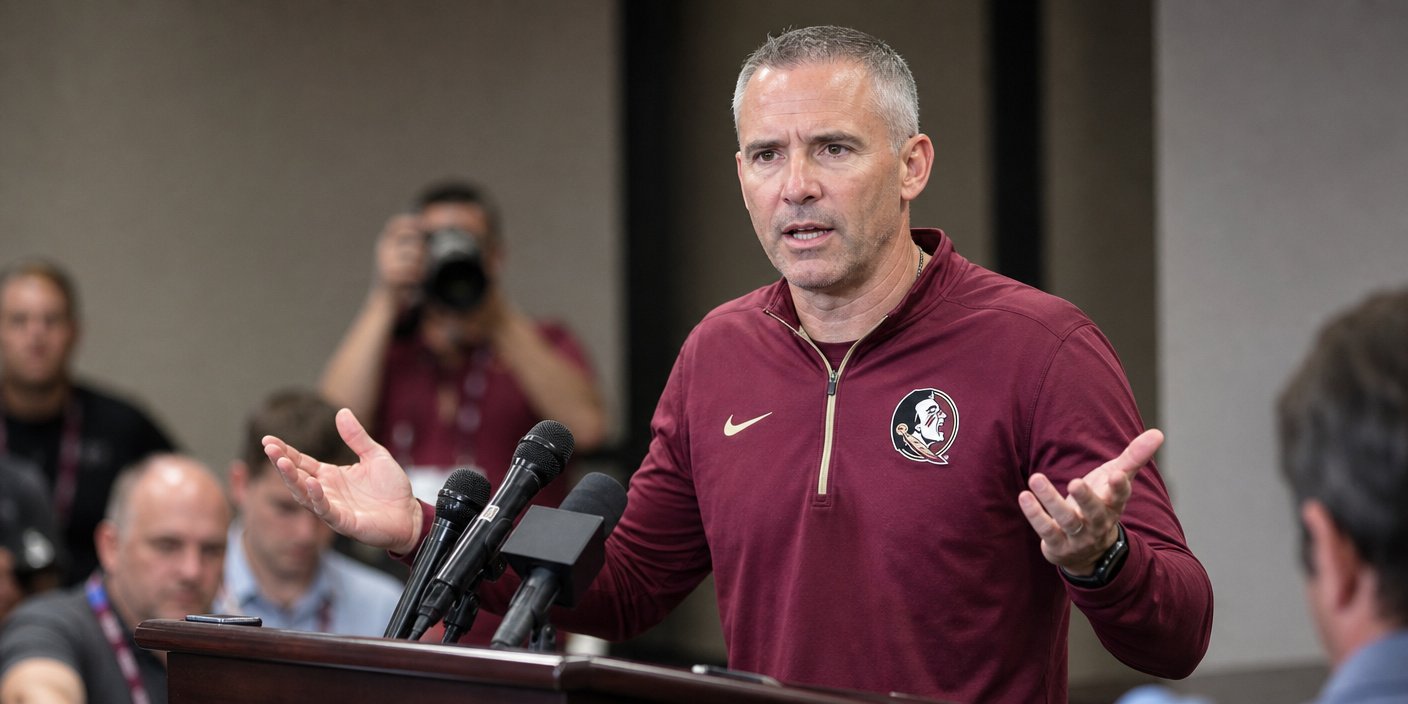
The Miami Dolphins’ decision regarding Tua Tagovailoa Benching sidelines him for the remainder of the 2025 season. Rookie Quinn Ewers takes over the starting role. This move comes after a disappointing Miami Dolphins season, marked by a 6-8 record that has led to their elimination from playoff contention. This Tua Tagovailoa Benching has become a focal point of discussion.
Hall of Famer Cris Carter supports the Dolphins’ rationale for the Tua Tagovailoa Benching. He understands why the team made this difficult choice. Carter notes that defenses often adjust to successful schemes. He believes this has happened to the Dolphins’ offense, leading to Tua Tagovailoa struggles. What was once a potent unit now struggles. Carter highlights this adaptive nature of the NFL and the challenges associated with Tua Tagovailoa Benching.
Season of Struggles for Tagovailoa and Tua Tagovailoa Benching
Tagovailoa’s 2025 season has been his toughest yet. He leads the NFL with 15 interceptions. This marks a career high for him. His passer rating is 88.5, his lowest since his rookie year. His QBR is 36.7, ranking 30th among qualified quarterbacks. The Dolphins’ offense has stalled, a direct consequence of the factors leading to the Tua Tagovailoa Benching. Coach Mike McDaniel stated quarterback play was “not good enough.” He added that “everything is on the table.” This led to the decision to bench Tagovailoa, a clear instance of Tua Tagovailoa Benching. McDaniel wants “convicted quarterback play” and believes Ewers gives the team the best chance to win. Ewers was previously the third-string quarterback. Zach Wilson is now the backup. Tagovailoa is the emergency third-string option, a stark turn of events after the Tua Tagovailoa Benching.
Carter’s Analysis of Defensive Adjustments and Tua Tagovailoa Benching
Cris Carter, an executive director at Florida Atlantic University, shared his insights on the Tua Tagovailoa Benching. He recalls the Dolphins’ explosive offense from the previous year. That offense ranked second in scoring. However, NFL defenses have adapted. Carter explained that teams have ample tape on players. “The league adjusts by changing coverages,” he noted. This limits effectiveness, especially for quarterbacks facing the pressure of a potential Tua Tagovailoa Benching. Carter sees Tagovailoa’s challenges mirroring those of rookies. Once a player has success, the league learns how to counter them. “We’ve seen so many players have a good year or two, and then the league adjusts to them, and then they look mediocre,” Carter said, referencing the context surrounding the Tua Tagovailoa Benching. He suggested that even past criticisms from former coach Brian Flores may now hold true. This indicates a perceived decline in Tagovailoa’s performance, a key factor in the Tua Tagovailoa Benching.
NFL defensive adjustments have played a significant role in the offensive struggles, contributing to the situation that necessitated the Tua Tagovailoa Benching. As defenses improve, it highlights the need for a quarterback who can consistently overcome these challenges. The Tua Tagovailoa Benching is a direct response to these issues.
Contractual and Financial Implications of Tua Tagovailoa Benching
Tagovailoa signed a significant contract extension. It was a four-year deal worth $212.4 million, signed in July 2024, with $167.1 million guaranteed. However, his current play has put this contract under scrutiny, especially in light of the Tua Tagovailoa Benching. Moving on from Tagovailoa presents major financial challenges. Releasing him outright would create a massive dead cap hit, potentially exceeding $99 million. Designating him as a post-June 1 cut would spread the hit over two years, still amounting to tens of millions of dollars. Trading him is also difficult, as it would still incur substantial dead money. These financial realities complicate any decision for the Dolphins regarding the Tua Tagovailoa Benching. The team must weigh performance against significant cap penalties. Tagovailoa expressed disappointment, calling the benching “out of my control.” His future in Miami remains uncertain, a direct consequence of the circumstances leading to the Tua Tagovailoa Benching.
Looking Ahead for the Dolphins After Tua Tagovailoa Benching
The Tua Tagovailoa Benching signals a potential shift in direction for the Miami Dolphins. It suggests a possible rebuild. The focus now is on evaluating Quinn Ewers in the final games, seeing what he can offer. This decision has sparked debate among analysts. Some question the timing and the financial implications of the Tua Tagovailoa Benching. However, the core issue remains performance. The Dolphins are seeking a quarterback who can consistently lead them to wins. Cris Carter’s perspective adds weight to the idea that defenses have found ways to neutralize the Dolphins’ offensive attack. This adaptation, coupled with Tagovailoa’s struggles, led to the current situation. The team now faces tough decisions about its future at the quarterback position. The focus is on finding a path forward that aligns with the goal of winning consistently. The current season has made it clear that a change was necessary. This is true for both performance and the team’s overall outlook, making the Tua Tagovailoa Benching a pivotal moment.
The Dolphins quarterback benching of Tua Tagovailoa is a critical juncture, underscoring the importance of consistent performance and strategic adjustments in the league.