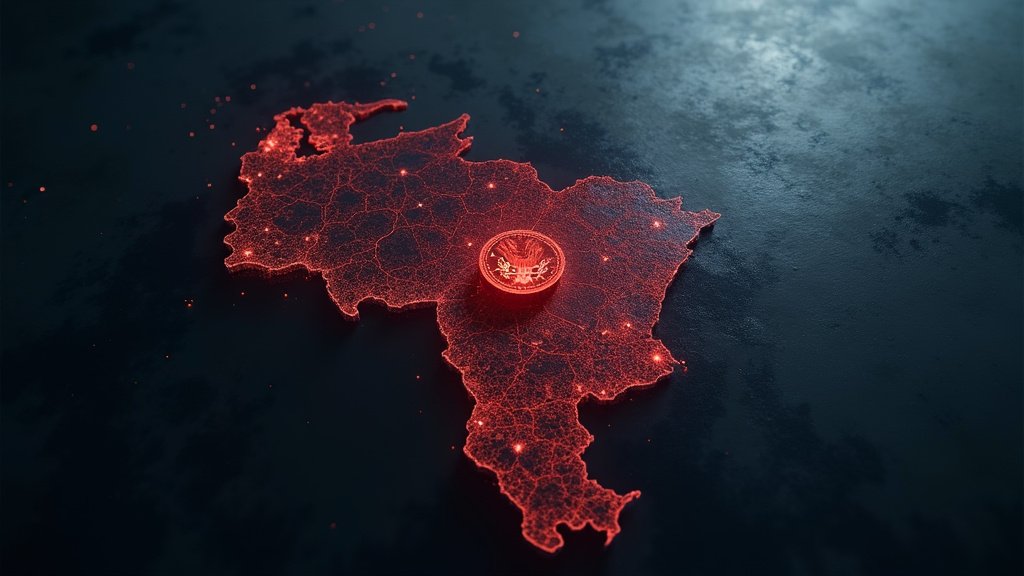
President Donald Trump has declared Venezuela’s airspace closed, a move that significantly escalates already high tensions with Venezuela. This direct Venezuela Airspace Closure declaration came via a social media post on November 29, 2025. Trump directed his message to airlines, pilots, drug dealers, and human traffickers, stating the airspace above and surrounding Venezuela is to be considered closed entirely. This Venezuela Airspace Closure signals a significant increase in U.S. pressure on Nicolás Maduro’s government, marking a critical development in U.S. Venezuela relations. It is a developing news story, further intensifying the existing Venezuela airspace ban.
Deepening U.S.-Venezuela Tensions and the Venezuela Airspace Closure
U.S. and Venezuela relations have been fraught for years. The Trump administration significantly expanded sanctions against Venezuela, targeting individuals and entities in an effort to pressure the Maduro government. These sanctions have targeted Venezuela’s oil sector and financial markets. The U.S. also does not recognize Maduro as Venezuela’s legitimate president. The U.S. government has accused Maduro’s administration of drug trafficking, with Washington claiming Maduro leads the “Cartel de los Soles.” However, Venezuela denies these accusations, with Maduro claiming the U.S. seeks regime change. The ongoing Venezuela Airspace Closure is a direct outcome of these strained relations and a key part of the Maduro government pressure.
FAA Issues Aviation Warning Amid Venezuela Airspace Closure Concerns
Prior to Trump’s declaration of the Venezuela Airspace Closure, the U.S. Federal Aviation Administration (FAA) issued a warning. This alert came on November 21, 2025, with the FAA warning of a “potentially hazardous situation” in Venezuelan airspace. They cited worsening security and heightened military activity. The warning covered the entire Maiquetía Flight Information Region, noting risks to aircraft at all altitudes. Crews also reported GPS interference, contributing to the rationale behind the eventual Venezuela Airspace Closure. This FAA aviation warning was a precursor to the full Venezuela Airspace Closure.
Airlines Suspend Flights Following Venezuela Airspace Closure
Major international airlines responded to the FAA warning and the subsequent Venezuela Airspace Closure. Many suspended flights to and from Venezuela. This included airlines like Iberia, TAP Air Portugal, Avianca, LATAM, GOL, and Turkish Airlines, citing safety concerns and framing suspensions as risk assessments. Venezuela reacted strongly to these international airline suspensions, with the country’s civil aviation authority banning these airlines. Caracas accused them of “state terrorism,” an action that asserted Venezuela’s control over its airspace amidst the Venezuela Airspace Closure.
Trump’s Broad Declaration on Venezuela Airspace Closure
Trump’s social media post directly addressed airlines and pilots, also including drug dealers and human traffickers in relation to the Venezuela Airspace Closure. The declaration was stark and without immediate elaboration. U.S. officials were reportedly surprised by the announcement, and the Pentagon did not immediately comment. This action implies increased U.S. enforcement measures, expanding the theater of operations beyond maritime strikes and directly impacting air travel due to the Venezuela Airspace Closure.
U.S. Military Buildup and Justifications for Venezuela Airspace Closure
The Venezuela Airspace Closure is part of a larger U.S. military buildup, which includes the deployment of warships and troops to the Caribbean. Washington claims this aims to curb drug trafficking, and U.S. forces have conducted strikes against alleged drug boats, reportedly resulting in numerous deaths. Trump mentioned upcoming land operations against traffickers. The U.S. designated Venezuela’s “Cartel de los Soles” as a foreign terrorist organization, a designation that could expand sanctions authority and further justify measures like the Venezuela Airspace Closure. This reflects a significant Trump Venezuela action.
Venezuela’s Response to Maduro government Pressure and Airspace Closure
Venezuela views these U.S. actions, including the Venezuela Airspace Closure, with deep suspicion. Caracas insists the U.S. seeks to overthrow Maduro, and Maduro has called for “prolonged resistance” against any invasion. The ban on airlines is seen as an assertion of sovereignty in response to the Maduro government pressure and the Venezuela Airspace Closure. Venezuela framed the suspensions as state terrorism promoted by the U.S.. President Maduro declared Venezuela “invincible” and signaled that foreign carriers would not dictate operations in Venezuelan airspace, even with the U.S. Venezuela Airspace Closure.
Broader Implications and Regional Impact of Venezuela Airspace Closure
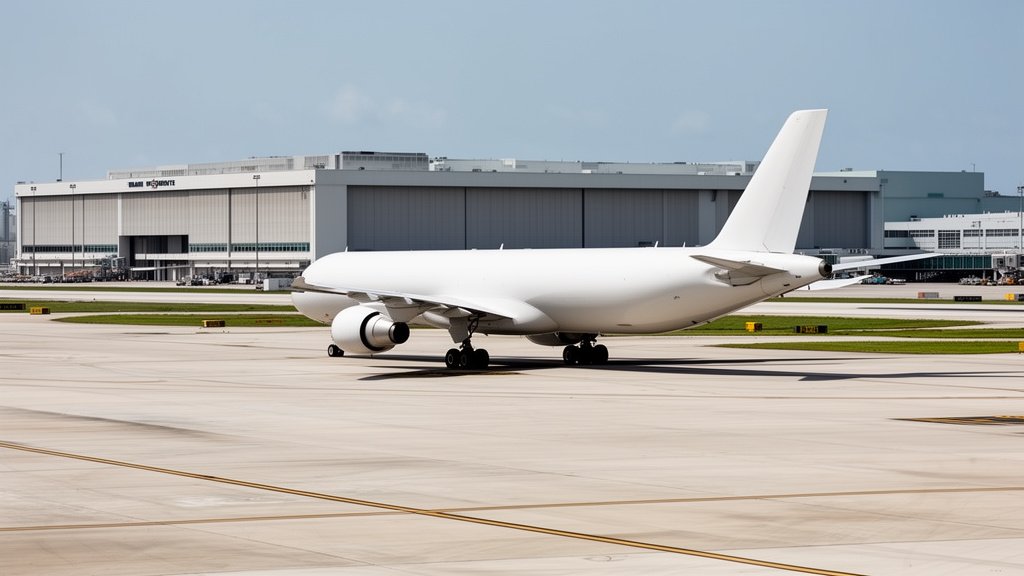
This escalation, including the Venezuela Airspace Closure, has significant implications. It complicates international air travel and cargo operations, forcing airlines to face longer routings, fewer choices, and higher fares. The move could harden stances on both sides and reduce prospects for diplomatic resolution. Regional governments are reviewing flight corridors and consulting security councils. Human rights groups fear humanitarian consequences, and financial markets linked to oil and transport may fluctuate. This situation is trending news with potential regional instability, and the Venezuela Airspace Closure is a key factor.
Outlook for Venezuela-U.S. Relations and the Venezuela Airspace Closure
The situation remains highly tense, with Trump’s declaration and the military buildup underscoring a deepening confrontation. While diplomatic contacts have occurred, their impact is uncertain. The future trajectory depends on further actions by both governments, and the current headline news suggests a volatile period ahead. The complex relationship continues to evolve, and the status of Venezuelan airspace remains a key point of contention, especially with the ongoing Venezuela Airspace Closure. This news is developing rapidly, impacting U.S. Venezuela relations.