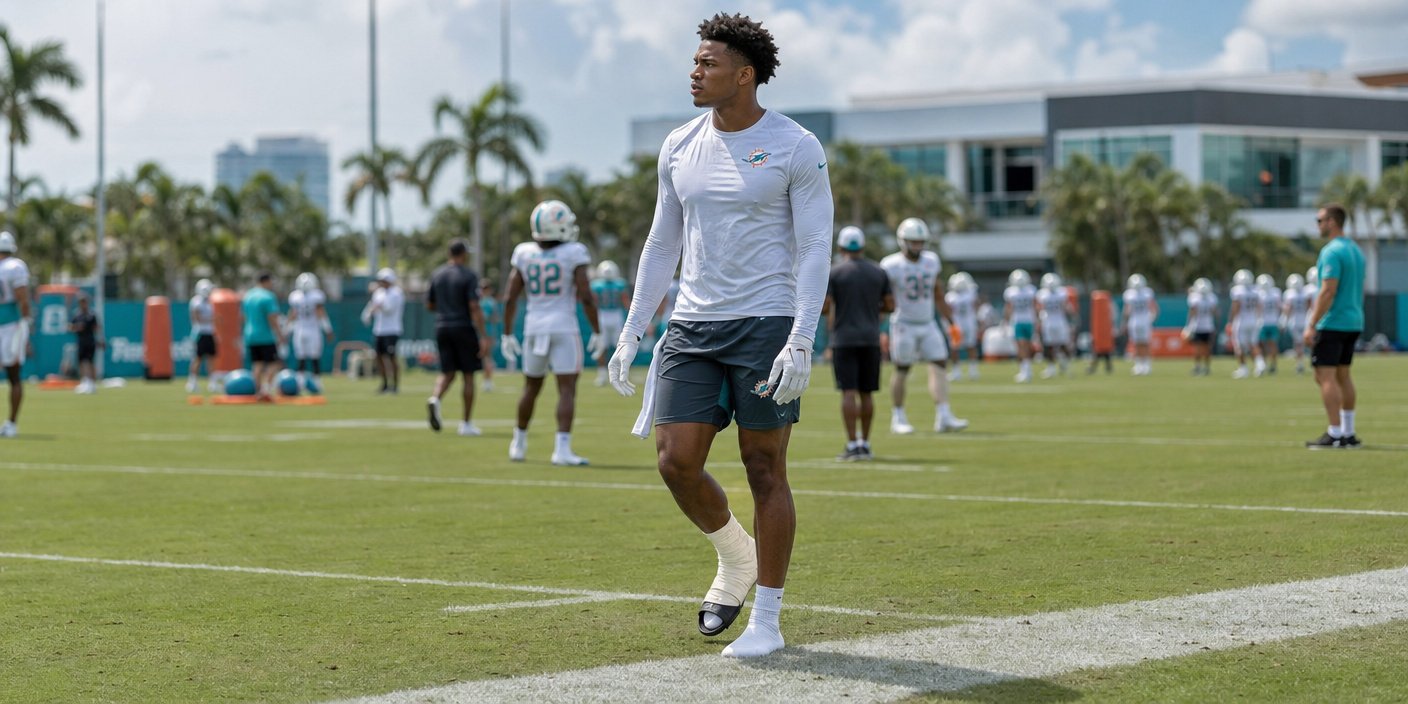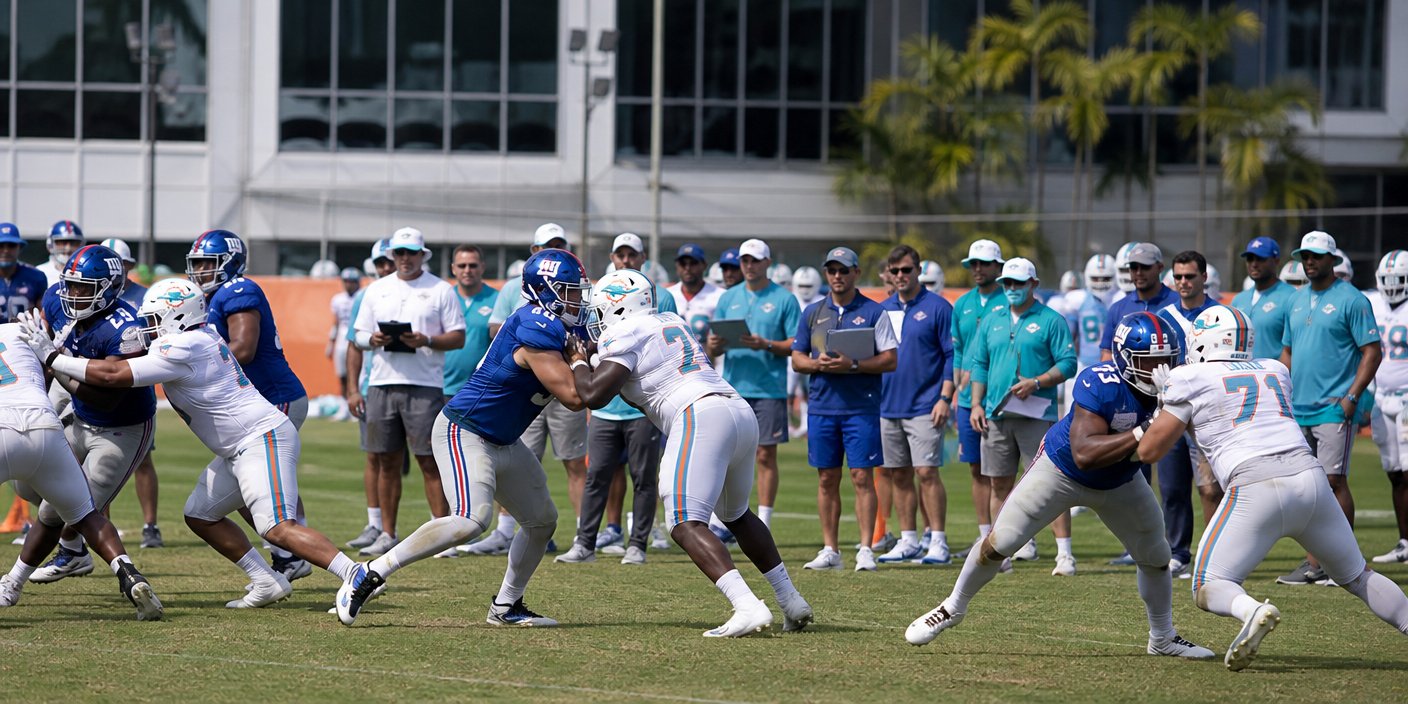
The Miami Dolphins are hitting the critical turning point of the preseason as the team navigates the intense scrutiny of the final 53-man roster projection. Following a physically demanding and tactically significant joint practice session with the New York Giants, the coaching staff is no longer looking at broad archetypes but specific, high-stakes measurements of performance, versatility, and reliability. In the sweltering heat of South Florida, the margin for error has evaporated, and for fringe players, every snap during these high-intensity practice sessions serves as a do-or-die audition for a permanent spot on the active roster.
The Strategic Value of Joint Practices
The decision to host the New York Giants for joint practices has proven to be the most vital variable in the Dolphins’ preseason evaluation process. Unlike standard intrasquad scrimmages, which often suffer from the familiarity of knowing an opponent’s tendencies, working against the Giants provided a controlled environment to test scheme integrity and personnel mismatches. For the Dolphins’ coaching staff, the data extracted from these sessions is granular. They are evaluating not just the successful plays, but the reaction times to unfamiliar formations, the communication efficiency in the secondary when facing diverse passing concepts, and the resilience of players dealing with the physical toll of consecutive days of full-speed competition.
This specific environment has accelerated the evaluation timeline. Coaches are looking for ‘game-speed’ consistency. A player might look stellar in shorts during OTAs, but the ability to execute under the specific pressure of a joint practice—where the Giants’ defensive line is pinning their ears back or their receivers are testing the lateral agility of Dolphins’ corners—is what separates a practice squad candidate from a 53-man roster lock. The roster crunch is real, and the numbers are unforgiving. With general manager Chris Grier and head coach Mike McDaniel finalizing their internal rankings, the performance against the Giants has forced difficult conversations regarding the bottom-of-the-roster depth.
The Quarterback and Secondary Conundrum
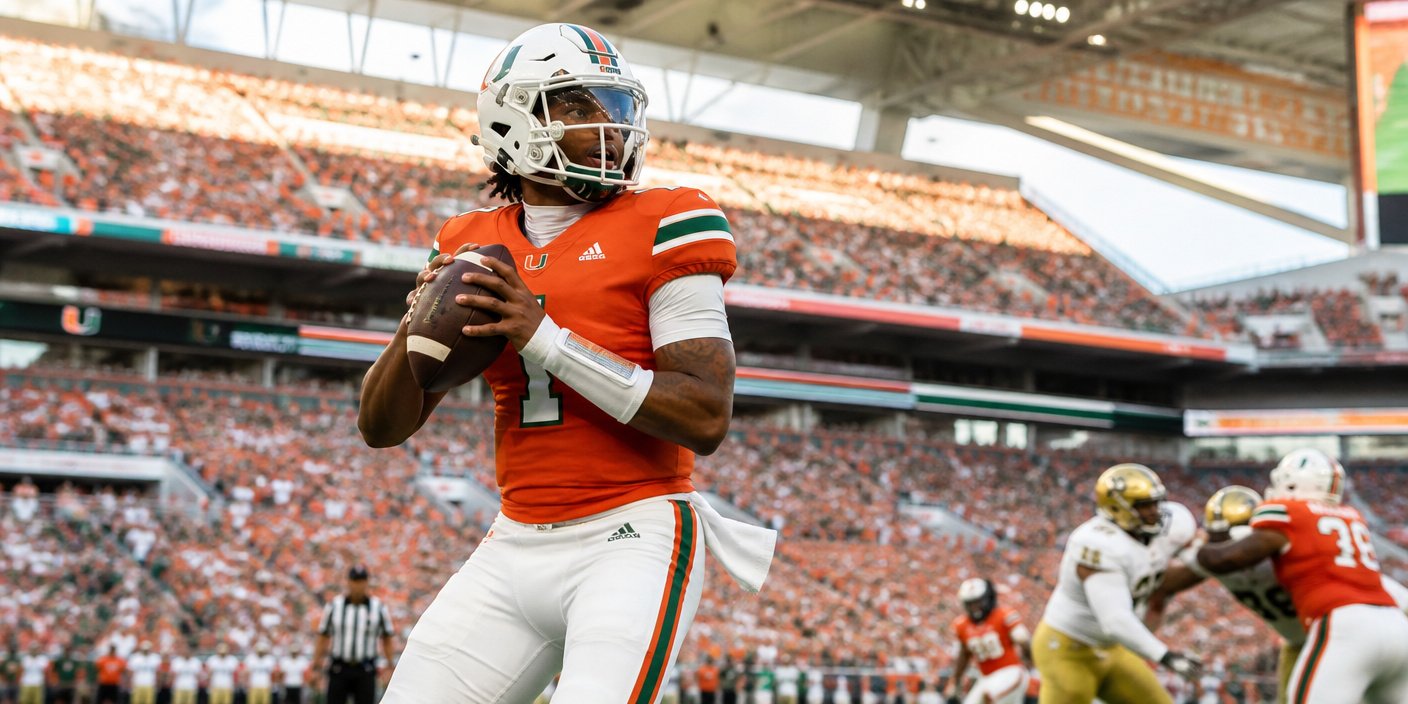
Perhaps the most surprising narrative to emerge from this training camp period has been the sudden uptick in competition, particularly regarding the roster math. While the quarterback room was assumed to be settled, the narrative has shifted due to the performance of emerging talents. Analysts are closely tracking the position battles at quarterback, where the competition has become a significant focal point. Specifically, the integration of new talent, including the surprisingly effective Malik Willis, has introduced a level of urgency that was previously absent. Willis’s ability to command the huddle and his mobility have forced the organization to reconsider their total quarterback count. If the Dolphins choose to carry three quarterbacks to protect this investment, it creates a cascading effect of losses at other positions, such as tight end or wide receiver, where roster depth is already being tested.
Simultaneously, the secondary has been a pressure cooker. The battles for the nickel and depth corner spots are no longer theoretical. The Giants’ receiving corps forced the Dolphins’ secondary to communicate rapidly under stress. Players fighting for the final defensive back slots are being graded on their ability to minimize mental errors. In a complex, modern NFL defense, physical talent is the floor; the ceiling is dictated by the ability to rotate, switch coverage, and maintain alignment against sophisticated personnel groupings. The players who demonstrated the ability to ‘play fast’ without busting assignments during the Giants joint practices have surged in the projections.
Financials and the Numbers Crunch
Beyond the raw talent assessment, the 53-man roster projection is inextricably linked to the ‘numbers crunch’—the salary cap and contract logistics. The Dolphins are operating within a tight window where every dollar of guaranteed money and every roster spot is a calculated asset. Carrying an extra player at a position like quarterback or running back creates an immediate ripple effect. It often forces the team to cut a veteran with slightly higher salary cap impact, or potentially lose a young, promising developmental player to waivers who might not clear to the practice squad.
This is the silent war occurring behind the scenes. The analytics department is working in tandem with the scouting staff to weigh the ‘now’ versus the ‘later.’ Do they prioritize the veteran safety with specific special teams value, or do they hold onto a rookie with higher upside but lower immediate reliability? These decisions are being finalized now, influenced heavily by how these individuals performed when the stakes were raised during the Giants practices. The roster isn’t just a list of the 53 best players; it is a meticulously constructed machine designed to navigate a 17-game season, accounting for potential injury attrition and the inevitable need for depth adjustments as the season progresses.
The Final Pathway to Cut-Down Day
The path to the final roster is now a sprint. With preseason games providing the final live-action tape, the coaching staff is looking for players who can transition the lessons learned from the Giants joint practices into the game environment. The ‘numbers crunch’ in South Florida is not just a cliché; it is a literal calculation of limited spots against an excess of hungry, talented individuals. As we look ahead, the focus will remain on the fringe players. Can the depth receivers create separation? Can the defensive linemen finish the pass rush? The final roster will be a reflection of these specific evaluations. By the time the final cuts are made, the decisions will have been shaped by the grit and execution observed during this critical training period, setting the tone for what the Dolphins hope will be a deep, resilient, and highly competitive season.
FAQ: People Also Ask
What does the ’53-man roster crunch’ actually mean for the Dolphins?
It refers to the difficult decisions coaches and management must make to limit the team to exactly 53 active players. Because the Dolphins have depth at several positions, they must cut talented players who might otherwise make the team, often forcing them to prioritize positional versatility or special teams utility over pure individual talent.
How did the joint practices with the New York Giants influence the current projections?
Joint practices provide a more accurate evaluation than team-only drills. The Dolphins were able to test their players against a different scheme and different personnel, revealing who could maintain their composure and execute assignments under high-pressure, competitive conditions.
Why is the quarterback position creating competition for the 53-man roster?
Traditionally, teams might only keep two quarterbacks. However, with the emergence of high-potential players like Malik Willis, the Dolphins are weighing whether the developmental upside of keeping a third quarterback is worth sacrificing a roster spot at another position, such as linebacker or offensive line.
When is the final 53-man roster officially set?
NFL teams are required to trim their rosters to the final 53-man limit by the league-mandated deadline, which typically occurs a few days following the conclusion of the final preseason game. This is the culmination of the training camp and preseason evaluation process.