The city of Doral, Florida—often affectionately and colloquially referred to as “Doralzuela” due to its massive Venezuelan population—is currently navigating a precarious chapter as immigration crackdowns intensify across the region. What was once considered a bastion of safety for those fleeing economic and political turmoil in Caracas is now experiencing a profound sense of instability. The intersection of rigorous state-level enforcement legislation and shifting federal immigration priorities has sent shockwaves through a community that has spent decades integrating into the South Florida landscape. For many residents, this is not merely a policy debate; it is a “tragic moment” that threatens the delicate social fabric of a city that has become synonymous with the Venezuelan diaspora experience.
Key Highlights
- Doral hosts one of the highest concentrations of Venezuelan immigrants in the United States, driving its cultural and commercial development.
- Recent enforcement actions and the broader application of Florida’s SB 1718 have intensified anxiety regarding residency status and workforce participation.
- The local economy, heavily reliant on small businesses owned and operated by Venezuelan entrepreneurs, faces potential labor shortages and reduced consumer confidence.
- Community leaders and advocacy groups are urging for legal clarity, balancing the need for municipal order with the rights of long-term residents.
The Changing Landscape of ‘Doralzuela’
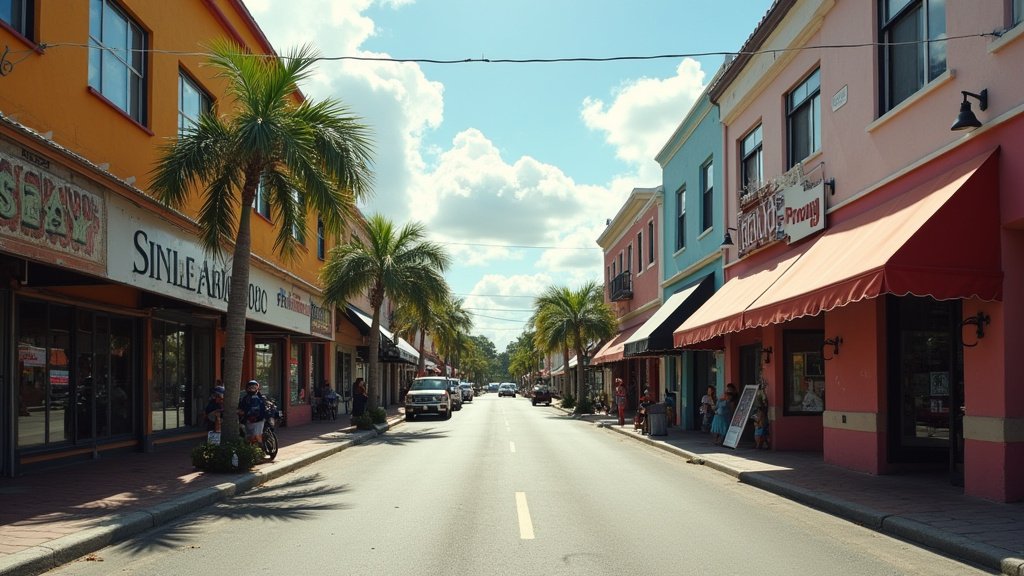
The term “Doralzuela” was never just a nickname; it was a testament to Doral’s evolution into a thriving hub of culture, commerce, and shared heritage. In the past two decades, the city has transformed from a quiet suburban community into a vibrant international center, fueled by Venezuelan capital, talent, and professional migration. This rapid growth reshaped local politics, schools, and business districts, creating a unique economic engine where Venezuelan-owned restaurants, logistics firms, and service centers thrived. However, this demographic success is now colliding with a more restrictive regulatory environment.
The current immigration crackdown in Doral is a multifaceted issue that extends beyond mere border enforcement. It is intrinsically tied to the state-wide implementation of policies like SB 1718, which has heightened requirements for documentation, impacted labor hiring practices, and fostered an environment of skepticism toward immigrant communities. For many Venezuelans who arrived under various legal statuses—some awaiting asylum, others with temporary protected status (TPS), and many integrated into the local workforce—the increased scrutiny has created a chilling effect. The fear of detention or deportation has moved from the periphery of national discourse to the dinner tables of Doral.
The Economic Ripple Effect
The economic implications of this crackdown are profound. Doral’s business sector is uniquely dependent on the Venezuelan community. From large logistics companies to family-owned restaurants, the workforce often relies on individuals who are now caught in the crosshairs of immigration policy. Employers are facing a dual dilemma: a shrinking labor pool and the mounting bureaucratic pressure to verify documentation under new state guidelines. This has led to a “wait-and-see” approach among business owners, resulting in reduced expansion plans and a noticeable slowdown in local hiring.
Furthermore, the psychological impact on the community cannot be overstated. When a population that arrived in the U.S. seeking refuge from an authoritarian regime finds itself facing systemic hurdles that evoke memories of the instability they left behind, the result is a profound loss of trust. This tension is particularly visible in local administrative offices and public spaces, where the air is thick with uncertainty. For entrepreneurs who invested their life savings into American dreams, the current climate feels like a betrayal of the stability they were promised.
Historical Context: From Sanctuary to Scrutiny
To understand the current tension, one must look at Doral’s historical trajectory. Historically, Doral welcomed the influx of high-net-worth Venezuelan investors and middle-class professionals during the early 2000s. This influx was initially embraced by city officials as a catalyst for growth, leading to a real estate boom and a massive increase in the city’s tax base. The city’s identity became intrinsically linked to this migration. Now, the pivot toward aggressive enforcement feels like a structural reversal. The transition from a city that actively courted this investment to one that feels caught in an enforcement crossfire highlights the fragility of local integration policies when they intersect with broader, more aggressive state and federal agendas.
Future Outlook: Navigating the Policy Maze
Looking ahead, the community is at a crossroads. Advocacy groups are working overtime to educate residents on their rights, while legal experts are busy navigating the complexities of asylum law and work authorization renewals. The “tragic moment” described by many community members is a call to action. It forces a conversation about the role of local governments in protecting their residents while acknowledging federal supremacy in immigration matters. The future of Doral will likely depend on how effectively the city can balance its compliance with state and federal laws while maintaining the inclusivity that made it a beacon for the diaspora in the first place.
If Doral loses its reputation as an accessible, safe haven, the long-term impact on its demographics could be irreversible. Migration flows are often sensitive to climate—not just weather, but political and social climate. A sustained period of uncertainty could drive future investment away from Doral and toward more stable jurisdictions, potentially hollowing out the very institutions that define the city today.
FAQ: People Also Ask
1. What is SB 1718 and how does it affect Doral?
SB 1718 is a Florida law that includes strict measures against undocumented immigrants, including mandates for businesses to use E-Verify and limitations on the validity of certain out-of-state IDs. It has directly impacted labor markets in cities like Doral where there is a significant immigrant workforce.
2. Why is the Venezuelan community specifically targeted in this crackdown?
While not “targeted” solely on the basis of nationality, the sheer density of the Venezuelan population in Doral makes any broad immigration enforcement action disproportionately visible and impactful there. The community’s high visibility means policy changes are felt immediately and acutely.
3. Is Doral still considered a safe place for Venezuelan residents?
Doral remains a vital economic and cultural hub, but the current climate has increased anxiety. Most residents remain in the city, but there is a heightened sense of caution regarding legal documentation and interactions with law enforcement.
4. What are local leaders doing to mitigate the situation?
Doral’s municipal leaders have primarily focused on economic development and public safety. However, they are caught between following state-mandated enforcement policies and supporting a community that is deeply integrated into the city’s tax base and commercial infrastructure.