In a decisive 7-0 vote that signals a permanent evolution for one of the world’s most famous thoroughfares, the Miami Beach City Commission has officially approved plans to restrict vehicular traffic on Ocean Drive from Thanksgiving through March. This landmark decision aims to transform the street, long synonymous with both vibrant nightlife and gridlocked congestion, into a premier, pedestrian-exclusive promenade during the city’s peak tourism window.
The Shift Toward Pedestrianization
The approved measure is more than just a traffic management strategy; it represents a fundamental philosophical shift in how the city views its most valuable public space. By effectively closing the street to cars during the high season—which draws millions of visitors annually—the city is prioritizing safety, air quality, and the overall visitor experience over vehicular convenience. The unanimous nature of the vote, 7-0, underscores a rare consensus among commissioners regarding the necessity of modernizing the Art Deco district to compete with global leisure destinations.
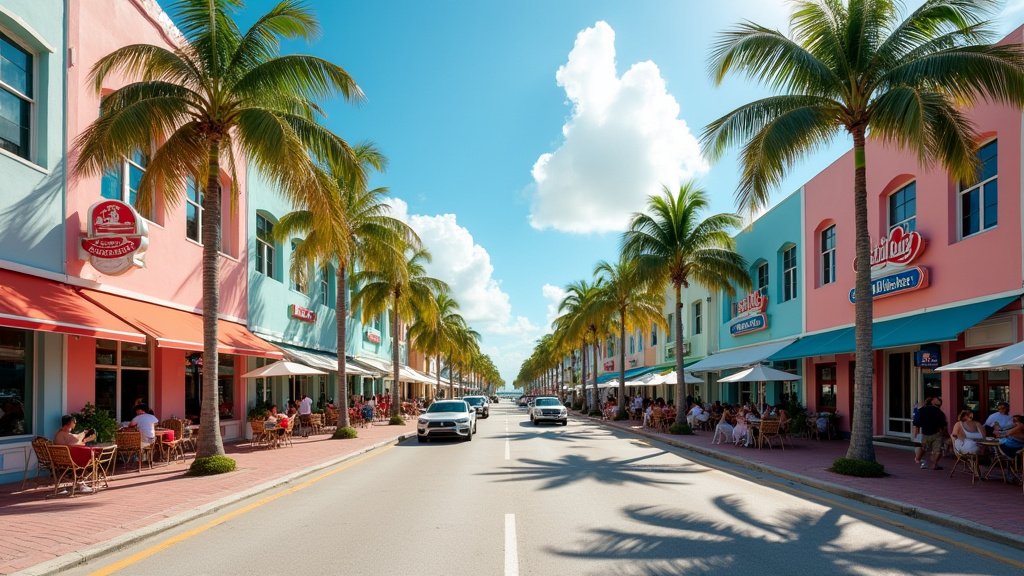
For decades, Ocean Drive has served as the postcard image of Miami Beach. However, in recent years, the street has struggled to balance its role as a thoroughfare for automobiles with the reality of thousands of pedestrians traversing the sidewalks between the historic hotels and Lummus Park. The new mandate aims to solve this friction by reclaiming the asphalt for people, allowing for expanded sidewalk cafes, pop-up artistic installations, and safer movement for the throngs of tourists that define the South Beach experience.
Revitalizing the Art Deco Legacy
The historical weight of Ocean Drive cannot be overstated. As the heart of the Miami Beach Architectural District, the street is home to the world’s highest concentration of Art Deco buildings. Proponents of the closure argue that the presence of idling cars, delivery trucks, and traffic congestion detracts from the visual majesty of these structures. By removing the constant stream of traffic, the city hopes to create an immersive, open-air gallery where visitors can appreciate the pastel-hued facades and neon signage without the noise and exhaust of gridlock.
This initiative ties directly into the ‘Ocean Drive Master Plan,’ a multi-year effort to reimagine the corridor. Planners have long debated the future of the strip, often oscillating between complete pedestrianization and limited vehicular access. The current compromise—a seasonal closure—provides a controlled environment to study the long-term viability of a year-round car-free zone. If successful, this period from Thanksgiving to March could serve as a permanent template, eventually expanding to cover the entire calendar year.
Logistical Challenges and Economic Implications
Critics and business owners have expressed concerns regarding accessibility, particularly for high-end dining establishments that rely on valet services and efficient delivery routes. The City Commission has addressed these concerns by integrating a phased logistical plan. This includes designated ride-share drop-off zones on adjacent side streets, optimized loading schedules for commercial deliveries during off-peak morning hours, and improved traffic flow on parallel avenues like Collins and Washington.
The economic argument for the change is compelling. Similar pedestrian-only conversions in major cities like New York (Times Square) and Barcelona (Superblocks) have consistently demonstrated that increased foot traffic leads to higher per-capita spending. By transforming Ocean Drive into an outdoor ‘living room,’ the city anticipates that visitors will linger longer, moving from simply walking through the area to sitting, dining, and shopping in an environment that is significantly more comfortable and engaging.
Future Outlook: Toward a Car-Free Coastline
Looking ahead, the successful implementation of this seasonal closure will be a crucial litmus test for the city’s broader urban planning strategy. The goal is not just to close a road, but to curate a destination that is resilient, modern, and distinct. As Miami Beach faces the challenges of climate change and rising sea levels, rethinking how the city utilizes its finite space—specifically, moving away from car-dependency—is seen as a necessary adaptation.
Furthermore, the move signals a broader trend in South Florida urban planning, where municipalities are increasingly trading asphalt for parkland and public gathering spaces. If the Thanksgiving-to-March closure proves economically and socially successful, it is highly probable that the city will accelerate plans to make the ban permanent year-round. For now, the transition begins this November, marking the first step in a new chapter for one of America’s most recognizable streets.
FAQ: People Also Ask
When does the traffic ban on Ocean Drive begin and end?
The new vehicular restrictions are scheduled to be in effect from Thanksgiving through the month of March, covering the peak winter tourism season.
Will businesses on Ocean Drive still be able to receive deliveries?
Yes, the city is implementing a logistical plan that includes specific windows for commercial deliveries and designated ride-share/valet drop-off zones on adjacent parallel streets to maintain business operations.
Was the vote unanimous among the Miami Beach City Commission?
Yes, the decision was passed with a 7-0 vote, indicating full support from the commissioners for the transition to a pedestrian-friendly district.
What is the ultimate goal of the Ocean Drive pedestrianization?
The city aims to reduce traffic congestion, improve pedestrian safety, enhance the aesthetic appeal of the historic Art Deco district, and boost local economic activity by increasing foot traffic and dwell time for visitors.