Miami-Dade County’s major arts institutions are launching their winter performing arts season, signaling a pivotal moment for the region’s cultural landscape. As the temperatures cool and the winter season approaches, the area is set to host a series of high-profile events that reflect both the technical rigor of classical institutions and the vibrant, evolving identity of the local arts scene. This season is not merely a collection of performances; it represents the culmination of months of intensive planning and artistic curation, designed to showcase Miami-Dade as a premier destination for world-class talent.
The Resurgence of Symphonic Excellence
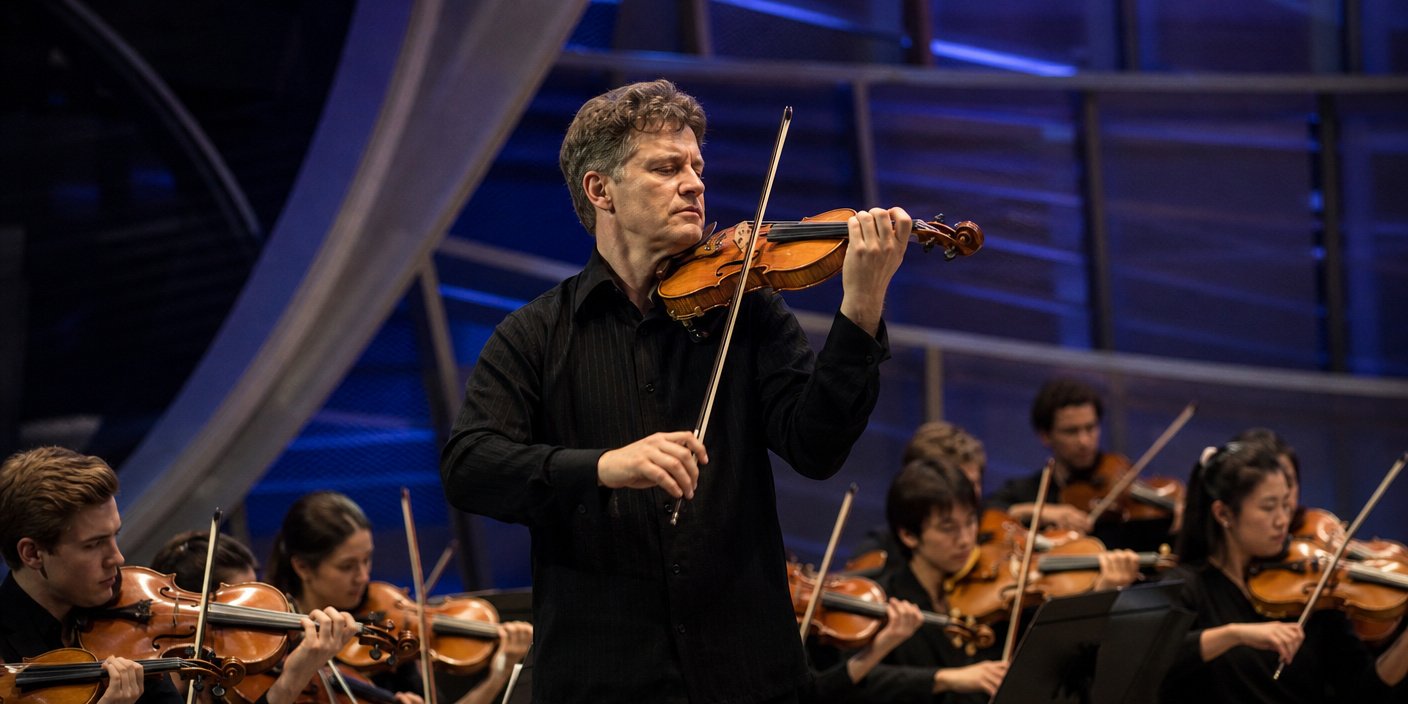
The winter season officially gathers momentum with the New World Symphony’s ambitious Prokofiev series. Set to commence on November 21, the program centers on the works of Sergei Prokofiev, a composer whose complex, rhythmic, and melodic innovations continue to challenge and inspire orchestral performers. Central to this event is the presence of world-renowned violinist James Ehnes, whose technical mastery is widely regarded as among the finest of his generation. For the New World Symphony—an organization renowned for its role as an academy for young musicians—partnering with an artist of Ehnes’s caliber is a strategic choice. It serves as a masterclass for the resident fellows, bridging the gap between established professional brilliance and the future of orchestral performance. The inclusion of Prokofiev’s violin concertos suggests a program that will lean into the sharp, metallic energy of 20th-century Russian composition, providing a stark, refreshing contrast to the more traditional fare often associated with the holiday season. The venue, the Frank Gehry-designed New World Center, remains an essential character in this narrative, with its advanced acoustic capabilities and state-of-the-art projection walls ensuring that every nuance of the Prokofiev series is rendered with precision.
Latin American Influence in Operatic Traditions
Following the orchestral kickoff, the Florida Grand Opera (FGO) is set to shift the artistic dialogue toward the region’s cultural roots. On December 4, the company will host a celebration of Latin American art song. This is a significant pivot for a traditional opera company, reflecting a broader industry trend toward expanding the canon to include underrepresented voices and regional styles. Art song, a genre defined by the intimate pairing of poetry and vocal music, allows the FGO to engage with a more diverse range of repertoire while highlighting the specific vocal textures of their performers. This event is not just a concert; it is a structural acknowledgment of Miami’s unique position as a gateway to Latin America. By elevating these specific works, the Florida Grand Opera is positioning itself to attract a wider demographic, reinforcing the idea that opera is a living, breathing art form that evolves alongside its community. The performance will likely emphasize the lyrical beauty and emotional depth inherent in Latin American compositional traditions, providing a sophisticated counterbalance to the larger, more bombastic productions often associated with the operatic stage.
The Nutcracker: A Seasonal Anchor
No winter arts season in Miami would be complete without the enduring appeal of the Miami City Ballet’s annual “Nutcracker” production, which begins its run on December 11. While some critics may argue for more avant-garde programming, the “Nutcracker” remains the financial and social anchor of the ballet calendar. Its impact on the local economy is substantial, as it draws thousands of families, tourists, and seasonal residents to the Adrienne Arsht Center. Beyond the economic metrics, the production serves as a critical entry point for young audiences to experience high-level ballet. The Miami City Ballet, known for its neoclassical style rooted in the George Balanchine tradition, brings a distinct energy to Tchaikovsky’s score. This year’s run is expected to leverage advanced choreography and updated stage design, aiming to keep the decades-old tradition feeling fresh and relevant. The ballet’s commitment to high production values—evident in the intricate costuming and the rigorous physical discipline of the dancers—ensures that the “Nutcracker” remains a benchmark for excellence in the local performing arts sector.
The Economic and Cultural Synergy
Taken together, these three anchors—the New World Symphony, Florida Grand Opera, and Miami City Ballet—create a symbiotic ecosystem that defines the Miami-Dade arts scene. There is a secondary, often overlooked angle to these performances: the economic impact of “arts tourism.” Miami is increasingly competing with established northern hubs like New York and Chicago for high-end winter tourism. The scheduling of these premier events is intentional; it is designed to extend the residency of winter guests and provide high-value, cultural alternatives to traditional sun-and-sand tourism. Furthermore, the collaboration between these institutions and their respective headliners (such as Ehnes) suggests a sophisticated network of resource sharing and talent scouting that strengthens Miami’s reputation in the global performing arts market. As the city continues to grow, these institutions serve as the bedrock of civic culture, providing not only entertainment but also a sense of historical continuity and forward-looking ambition.
Future Predictions and Looking Ahead
Looking toward the future, the success of this season will likely dictate programming trends for the coming years. If the Latin American art song celebration sees high attendance and strong critical reception, we can expect the Florida Grand Opera to incorporate more diverse, regional repertoire into their mainstage productions. Similarly, the continued reliance on the “Nutcracker” as a fiscal staple highlights the ongoing need for a balance between risky, artistic experimentation and the need to maintain financial viability. As digital integration becomes more common in live performance, keep an eye on how these institutions incorporate new media into their stagings, particularly within the New World Symphony’s concert hall, which is uniquely equipped to handle such technological integrations.
FAQ: People Also Ask
Q: What is the significance of James Ehnes performing with the New World Symphony?
A: James Ehnes is considered one of the world’s preeminent violinists. His collaboration with the New World Symphony provides an essential educational opportunity for the resident fellows while ensuring the Prokofiev series is executed at the highest possible professional standard, attracting both casual audiences and dedicated classical music enthusiasts.
Q: Why is the Florida Grand Opera highlighting Latin American art song?
A: By focusing on Latin American art song, the FGO is reflecting Miami’s unique cultural demographics. It allows the company to broaden its musical canon, explore vocal works that are often overlooked, and deepen its connection with the local community’s diverse heritage.
Q: How does the Miami City Ballet’s ‘Nutcracker’ impact the local economy?
A: The ‘Nutcracker’ is a major driver of cultural tourism in Miami. The weeks-long production schedule attracts thousands of local and visiting patrons, contributing significantly to ticket sales, hospitality spend, and downtown foot traffic during the peak winter months.
Q: Are there other performing arts events in Miami-Dade this winter?
A: Yes, these are just the key seasonal highlights. While these three events are anchoring the performing arts season, the region features an array of smaller gallery openings, independent theater productions, and community-led festivals that coincide with the winter calendar.