Gordon Ramsay’s global culinary empire is set to expand in the heart of Miami Beach with the official opening of Lucky Cat Steak on November 25, 2026. This highly anticipated venue represents more than just another celebrity chef residency; it signifies a strategic evolution of the established Lucky Cat brand, blending high-concept Asian-inspired dining with the refined sensibilities of a traditional, upscale steakhouse. As the culinary landscape in South Florida continues to evolve, Ramsay’s latest venture aims to capture the premium market with a focus on premium Japanese-inspired offerings and carefully curated local influences.
Key Highlights
- Official Opening: The restaurant doors will open to the public on November 25, 2026, in the prime Miami Beach dining district.
- Strategic Pivot: The brand is shifting from the traditional “Asian Eating House” concept seen in London to a dedicated “Lucky Cat Steak” format.
- Culinary Fusion: The menu centers on the integration of high-grade Japanese-inspired steakhouse staples with Ramsay’s signature contemporary techniques.
- Local Adaptation: Despite the global brand, the Miami location will emphasize locally sourced Florida ingredients to complement the international menu.
The Evolution of the Lucky Cat Concept
The decision to bring Lucky Cat to Miami Beach is a calculated move that follows the success of the brand’s previous iterations in the United Kingdom. Originally established as an “Asian Eating House” that paid homage to the 1930s Tokyo drinking dens, the brand is undergoing a significant transformation. By rebranding to Lucky Cat Steak, Gordon Ramsay is betting on the durability of the steakhouse format while maintaining the cultural integrity of his Asian-inspired culinary philosophy.
This is not a mere copy-paste of his international locations. In London and Manchester, the Lucky Cat concept thrived on the bustling energy of small plates and raw bar offerings. In Miami, however, the concept is being restructured to appeal to the city’s sophisticated palates that demand a more substantial, protein-forward experience. The shift to a steak-centric menu allows the restaurant to bridge the gap between traditional Japanese Robata grilling—a hallmark of the original Lucky Cat—and the high-octane luxury dining culture that currently defines the Miami Beach scene.
Why Miami Beach? The Strategic Play
Miami Beach remains one of the most competitive and lucrative restaurant markets in the world. For a high-profile figure like Gordon Ramsay, the choice of location is paramount. By choosing a late November opening date, the restaurant effectively positions itself for the peak tourism season, capturing both local affluent diners and international travelers arriving for the winter holidays. The competitive density of Miami’s dining scene is immense, but the Lucky Cat Steak concept occupies a niche that is currently underserved: an elegant, Japanese-inflected steakhouse that manages to be both serious about its butchery and lively in its atmosphere.
Economic analysts within the hospitality sector suggest that the expansion of major chef-led brands into Miami reflects a broader migration of wealth and luxury retail toward the Southeast. Ramsay’s entry into this market is less about mass-market saturation and more about establishing a flagship presence that can serve as a testing ground for future “Lucky Cat Steak” locations globally. The operational success of this specific venue will likely dictate the roadmap for the brand’s expansion across the United States.
Mastering the Art of the Steak
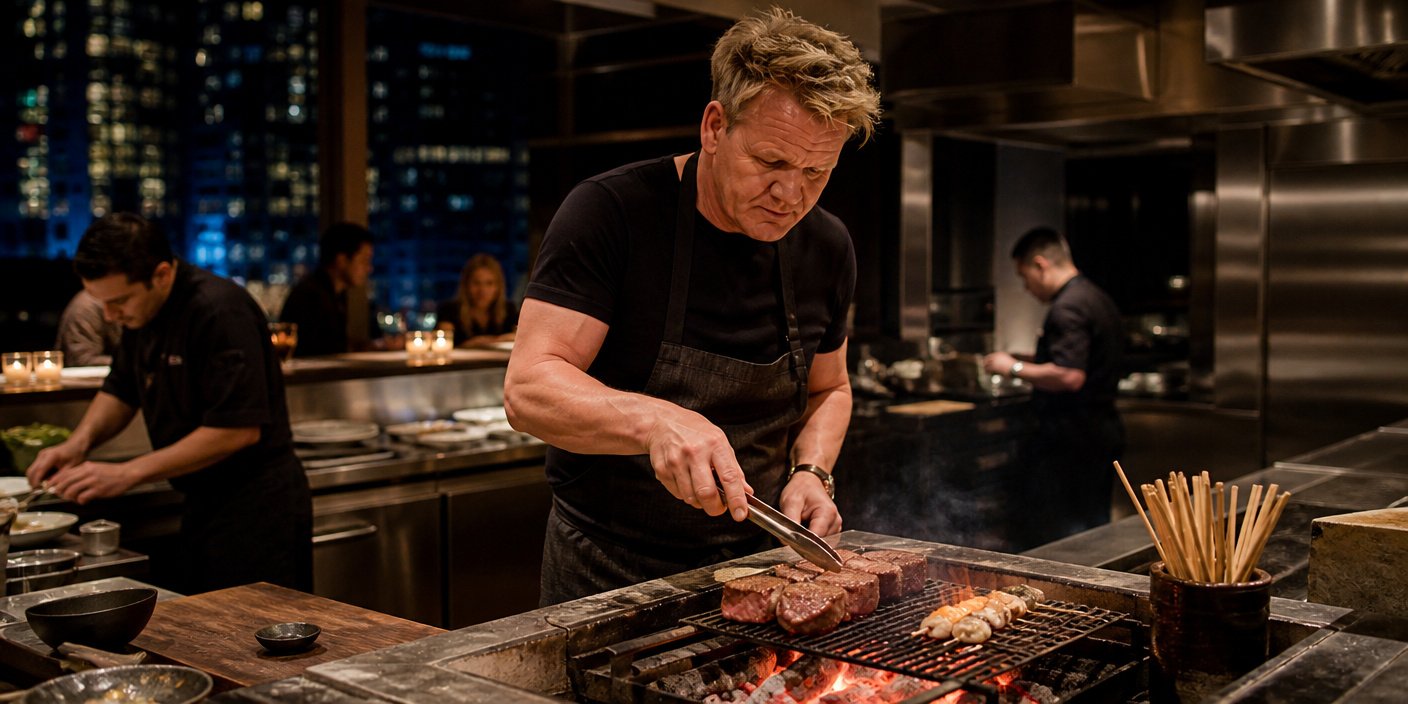
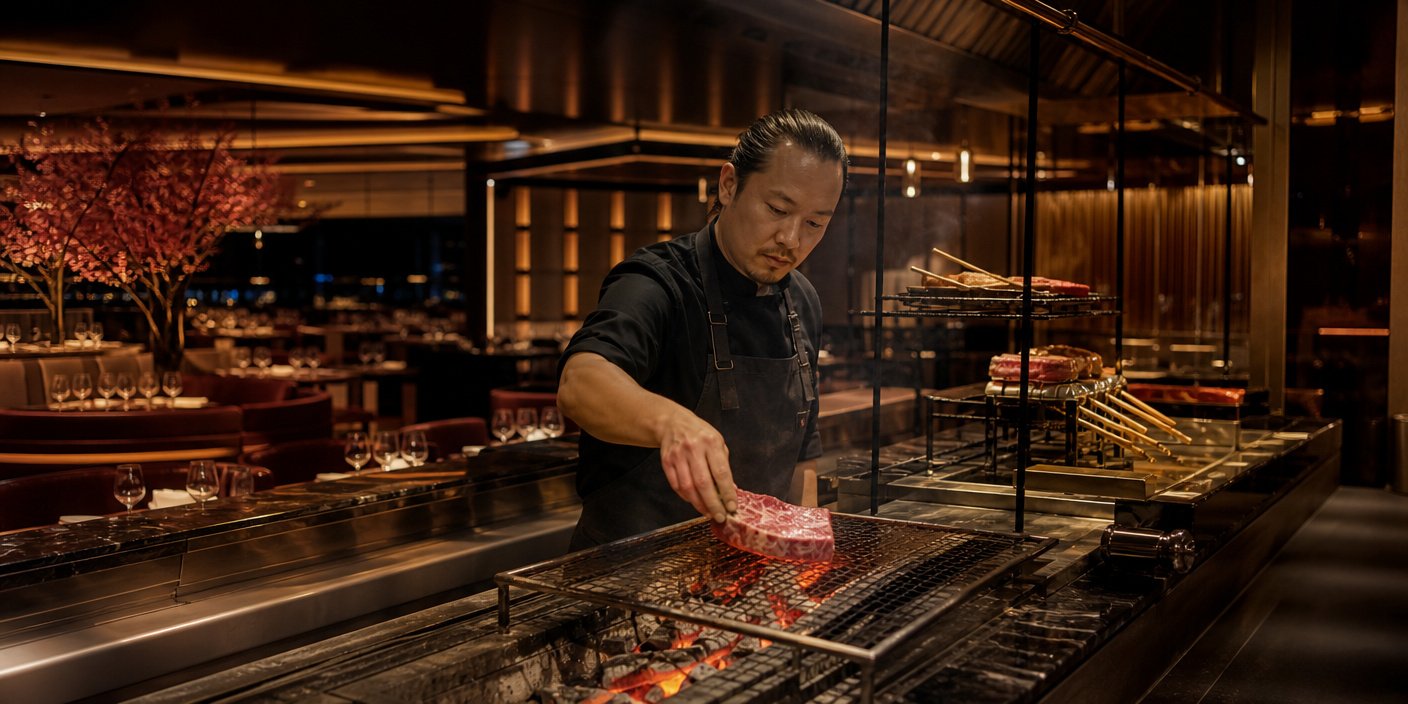
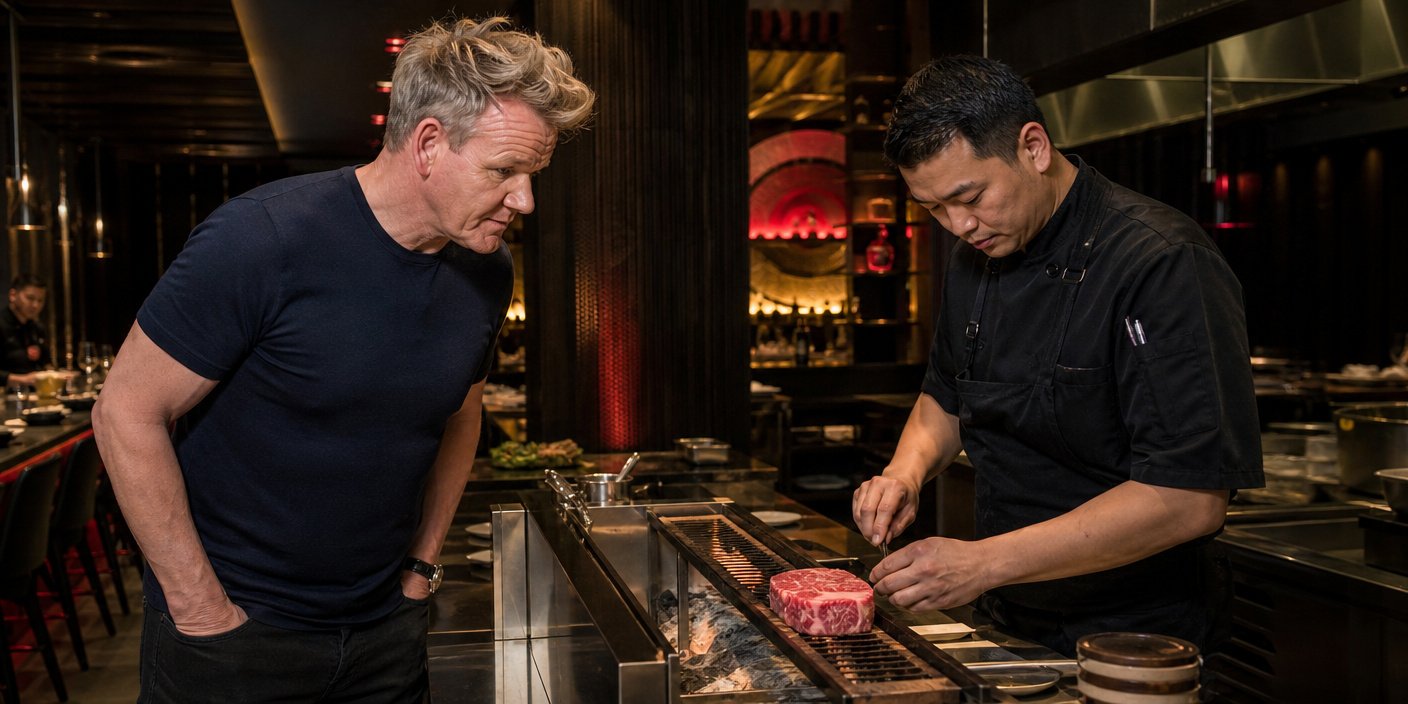
The core of the menu at the new Miami location will be the mastery of the grill. Lucky Cat Steak plans to utilize custom-built charcoal grills that replicate the intensity of traditional Japanese methods. This is where the “fusion” element becomes truly operational. Guests can expect a selection of premium cuts—ranging from domestic prime to highly marbled A5 Wagyu—prepared with a distinct culinary perspective that emphasizes the natural, umami-forward flavors of the meat.
Unlike a classic American steakhouse, which might rely heavily on butter-basting or heavy cream-based sides, Lucky Cat Steak is expected to lean into lighter, more complex accompaniments. Think ponzu-marinated sides, heirloom vegetable preparations sourced from Florida farms, and innovative raw dishes that showcase fresh, local catch. This balanced approach to the menu is intended to keep the dining experience accessible yet upscale, allowing diners to enjoy a heavy steak meal without the excessive, palate-fatiguing richness often associated with traditional steakhouse fare.
The Impact of Celebrity Culinary Architecture
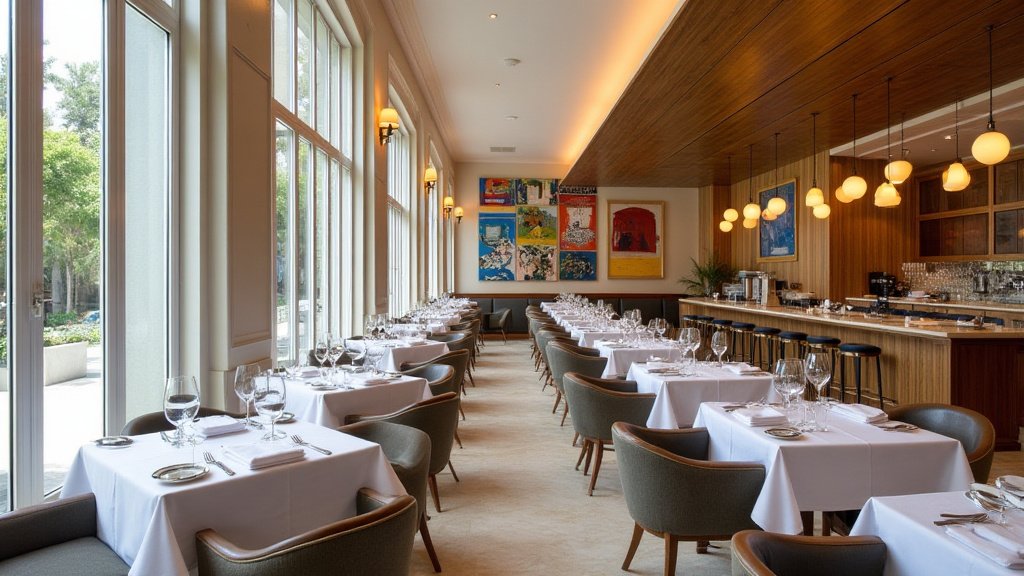
Beyond the food, the physical space is being designed to be a landmark in its own right. The architecture of Lucky Cat Steak seeks to balance the neon-lit, energetic vibe of Miami with the sleek, darker aesthetics of Japanese minimal design. This is a deliberate choice. High-end restaurants in Miami often fall into the trap of being either too loud and social or too quiet and sterile. By blending the social atmosphere of a lounge with the refined service of a high-end steakhouse, Ramsay’s team is aiming for a “Goldilocks” zone of dining that encourages longer stays and higher check averages.
Furthermore, the training program for the staff is being touted as one of the most rigorous in the city. The service standards required to handle high-ticket items like Japanese Wagyu and rare vintage sake pairings demand a level of expertise that elevates the entire dining experience. As we look toward the November 25 opening, the industry will be watching closely to see how the “Ramsay Effect” translates to the Miami market. If the brand can replicate the service and culinary quality it has achieved in its European locations, Lucky Cat Steak will likely become a permanent fixture in the Miami Beach pantheon of top-tier dining.
FAQ: People Also Ask
Q: When is Lucky Cat Steak officially opening to the public?
A: Lucky Cat Steak is scheduled to open its doors in Miami Beach on November 25, 2026.
Q: How does this differ from the original Lucky Cat restaurants?
A: While the original Lucky Cat functioned primarily as an Asian Eating House with a focus on small plates and raw fish, this new iteration, Lucky Cat Steak, pivots toward a premium steakhouse format, integrating Japanese grilling techniques with high-end meat selections.
Q: Will the restaurant focus on local Miami ingredients?
A: Yes, despite the global nature of the brand, the Miami location is committed to incorporating local Florida-sourced produce and seafood to complement its international culinary influences.
Q: What is the primary culinary style of the new menu?
A: The menu will feature a fusion of traditional Japanese Robata grilling and contemporary steakhouse offerings, placing a heavy emphasis on premium cuts of beef and Japanese-inspired preparation methods.