As the calendar turns toward December 2026, Miami is preparing to host one of the most high-stakes editions of Art Week in the city’s history. Beyond the galleries and the fairgrounds, a new, sophisticated dining landscape has emerged to cater to the influx of global collectors, curators, and cultural elites. This year, the focus shifts sharply toward exclusivity and experiential luxury, with new establishments betting that high-net-worth visitors are craving intimacy over the chaotic, crowded mega-lounges of the past. The city’s hospitality sector is currently seeing a 40% surge in advanced booking queries, with premier venues like the Design District’s KARYU and the speakeasy-themed The Joyce on Española Way leading the pack as the ‘must-book’ reservations of the season.
The New Culinary Frontier of Art Week 2026
The Rise of Experiential Gastronomy in the Design District
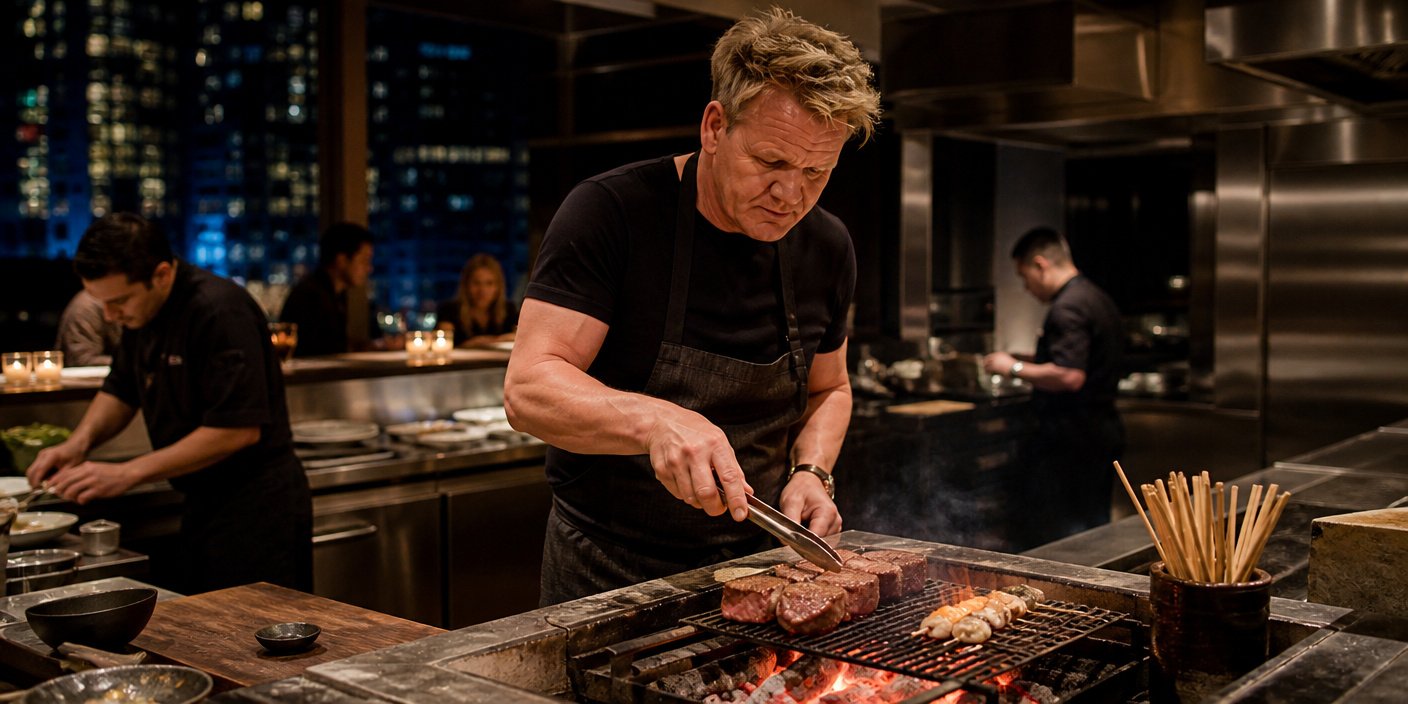
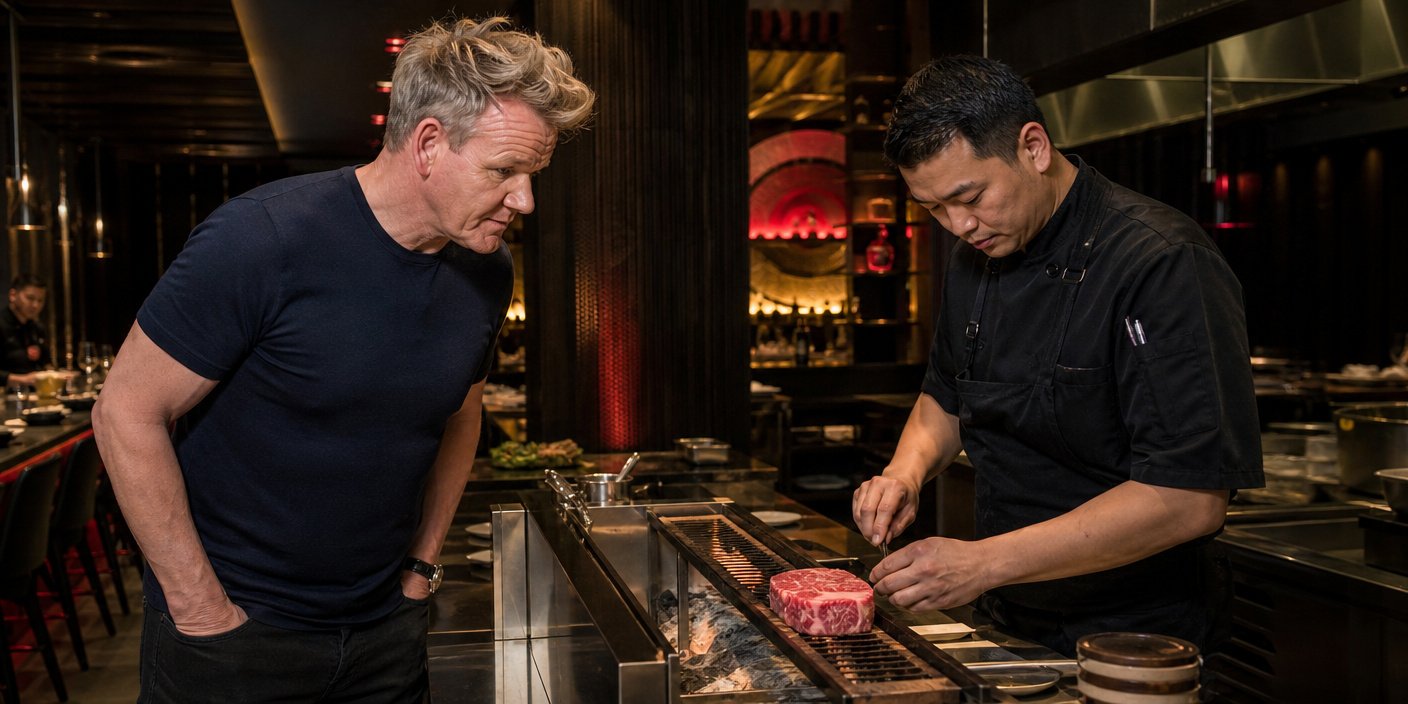
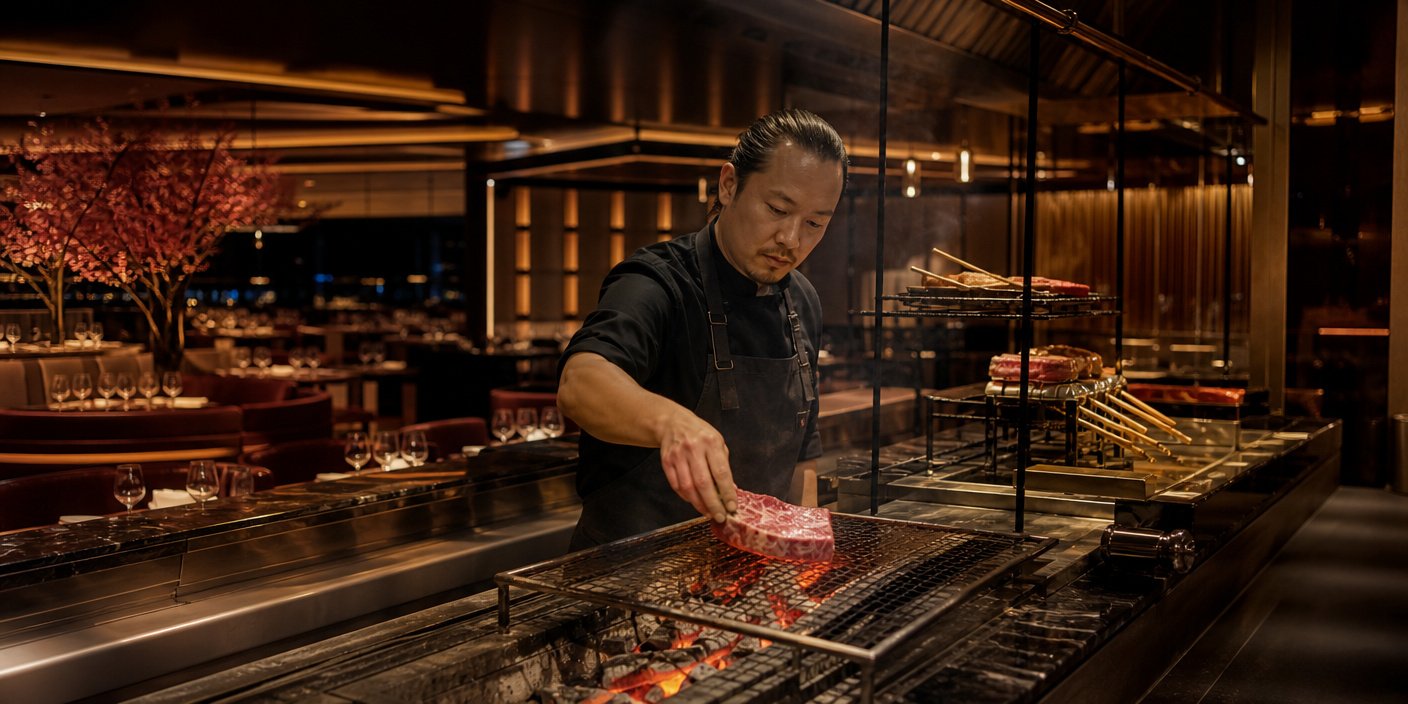
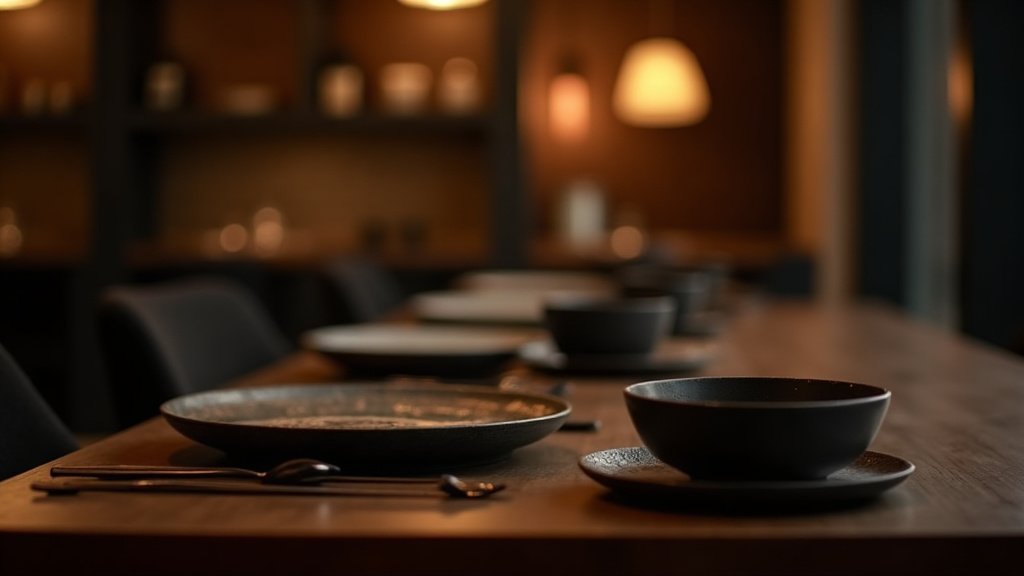
For the 2026 Art Week cohort, the Miami Design District has solidified its position not just as a hub for luxury retail, but as the epicenter of elevated gastronomy. Leading this charge is KARYU, a venue that has already garnered significant attention for its adherence to traditional Japanese kaiseki. In a landscape often dominated by high-energy fusion, KARYU offers a deliberate, quiet counter-narrative. The restaurant is designed to function almost as an extension of the surrounding galleries, where the pacing of the meal is treated with the same reverence as a curated exhibition.
Culinary experts note that the decision to bring a high-concept, multi-course kaiseki experience to the heart of the Design District is a strategic play. It caters directly to the demographic that spends the morning at the fairs and the afternoon in the quiet, climate-controlled environments of luxury showrooms. By limiting the seating capacity to ensure a personalized experience, KARYU is positioning itself as the ‘quiet luxury’ of dining—a stark contrast to the boisterous atmosphere of South Beach nightlife. For the serious diner, this is not just about sustenance; it is about the intersection of artistry and culinary craft, where every plate serves as a canvas reflecting the precision of the season.
The Speakeasy Renaissance on Española Way
While the Design District focuses on modern minimalism, the historic charm of Española Way is experiencing a thematic revival, anchored by the opening of The Joyce. This speakeasy-themed lounge is capturing the attention of those seeking a different kind of Art Week experience: the clandestine, the romantic, and the elusive.
Española Way has long been a Mediterranean-inspired staple of Miami Beach, but the arrival of The Joyce represents a shift toward more narrative-driven hospitality. The venue leverages the neighborhood’s labyrinthine, pedestrian-friendly streets to create a sense of discovery. Inside, the design ethos is mid-century noir, emphasizing plush, intimate seating arrangements that are perfectly suited for private deals and post-fair wind-downs. Market analysts suggest that venues like The Joyce are succeeding because they offer a ‘contained’ environment—an essential requirement for high-profile guests who value discretion and security amidst the hectic schedule of the international art circuit. The bar program, which features rare spirits and custom infusions, is already being touted by local concierges as the most difficult ‘secret’ to access this December.
The Economics of the Reservation Economy
To understand the difficulty of securing these tables, one must understand the shift in the ‘reservation economy.’ The demand for prime-time slots (between 8:00 PM and 10:00 PM) during Art Week is effectively inelastic. With thousands of additional visitors descending upon Miami from December 4th to December 7th, 2026, the local hospitality infrastructure is being pushed to its absolute limits.
We are observing a massive migration toward dedicated concierge services and AI-driven reservation platforms to secure seating at these top-tier venues. This has created a two-tiered system: public booking access, which is often sold out months in advance, and ‘industry-held’ inventory, which is released through private networks. For the savvy traveler, the strategy is no longer about checking apps at the last minute. It requires leveraging credit card-specific concierge tiers or establishing early, direct relationships with restaurant managers. The economic impact of these venues extends beyond the check; they are now acting as the new ‘boardrooms’ of the art market, where networking, deal-making, and social posturing occur over omakase and craft cocktails.
Secondary Angles: Future Trends in Miami Hospitality
1. The Sustainability Mandate: As Miami grows, so does the pressure on high-end restaurants to source locally while maintaining global luxury standards. KARYU, for instance, has integrated a hyper-local sourcing model for its seafood, challenging the perception that luxury must imply imported goods.
2. The ‘Clubification’ of Restaurants: There is a growing trend where restaurants are blurring the lines between dining and nightlife. The Joyce, for example, features acoustic architectural elements to allow for intimate conversation while transitioning into a high-energy space late at night.
3. The Impact of Tech-Driven Hospitality: The 2026 season marks the first time that data analytics are being used to predict table turnover rates for specific Art Week events, allowing restaurants to optimize their seating charts with surgical precision, reducing wait times for VIPs.
FAQ: People Also Ask
When should I start booking restaurants for Art Week 2026?
For the most exclusive venues like KARYU and The Joyce, reservations typically open 60 to 90 days in advance. Given the intensity of Art Week, we recommend finalizing your dining itinerary by early October 2026. If you have missed the initial booking window, utilize professional concierge services or reach out to the restaurants directly via email to inquire about waitlists.
Are ‘walk-ins’ viable during Art Week in Miami?
Generally, no. During the peak days (Thursday through Saturday), walk-ins at premium locations are virtually non-existent. Most high-end restaurants in the Design District and South Beach implement strict reservation policies to manage the high volume of traffic and maintain the quality of service expected by their clientele.
Is the dress code different for Art Week dining?
Yes. While Miami is generally relaxed, Art Week brings out a ‘fashion-forward’ aesthetic. At venues like KARYU, expect a high-end, gallery-appropriate dress code—think elevated, sophisticated, and minimalist. At speakeasies like The Joyce, the vibe allows for ‘cool-casual’ or ‘night-out’ attire, but never sloppy. When in doubt, lean toward polished refinement.
How does the location affect transportation to these venues?
Traffic in Miami during Art Week is notoriously dense. If you are dining in the Design District, plan for significant travel time if you are coming from South Beach. Many savvy visitors are utilizing private car services or boat transport where available to bypass the gridlock on the causeways.