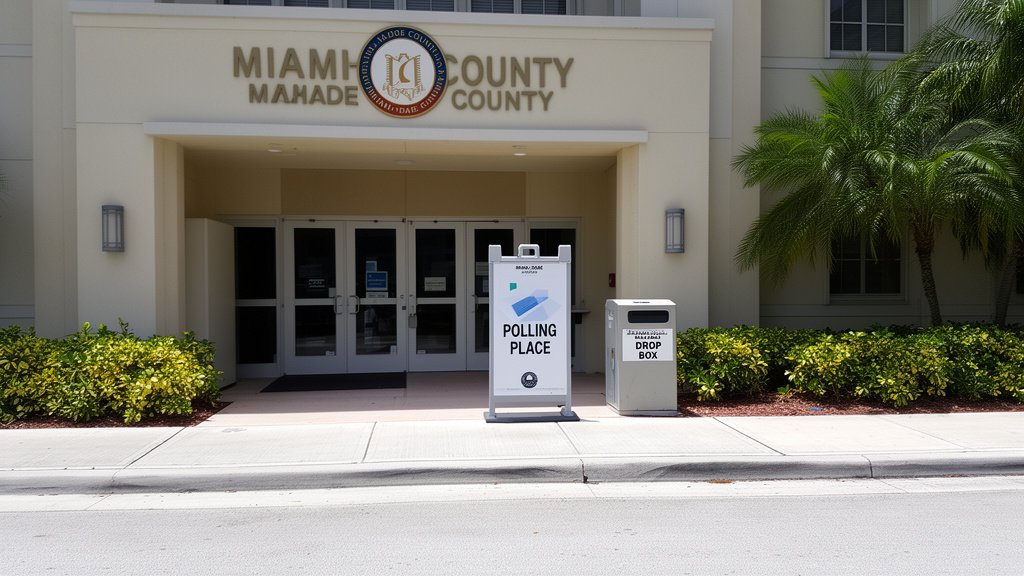
Voters across Miami are heading to the polls today for the 2026 Special Election, a day marked by high engagement and critical administrative logistics. As the city determines the outcome of this pivotal contest, all eyes are turned toward the Miami-Dade County election infrastructure, which has been fine-tuned for rapid, transparent reporting. With the polls now active, election officials are emphasizing the security of the ballot process and the integrity of the counting procedures that will define the evening. This election serves as more than just a local contest; it functions as a critical bellwether for the upcoming electoral landscape in South Florida, testing voter turnout models and the efficacy of modern mail-in and early voting systems.
Key Highlights
- 7:15 p.m. Milestone: Results are officially scheduled to begin reporting at 7:15 p.m., prioritizing the tabulation of mail-in and early voting ballots.
- Voter Access: Polling stations across Miami-Dade are open, with specific focus on accessibility for residents participating in this special election cycle.
- Election Integrity: The Miami-Dade Supervisor of Elections has activated enhanced security protocols to ensure that every ballot cast—whether via mail, early voting, or in-person—is processed with rigorous verification standards.
- High Stakes: This special election carries significant weight, with observers noting its potential influence on future legislative priorities and regional political momentum.
The Mechanics of Miami’s Democratic Process
The 2026 Special Election arrives at a time when the administrative mechanics of voting are under intense scrutiny and innovation. For Miami-Dade residents, participating in this election involves navigating a complex ecosystem of early voting, vote-by-mail initiatives, and traditional Election Day precinct voting. The decision to release results starting at 7:15 p.m. is a strategic operational choice designed to provide the public with immediate data on the early voting and mail-in portions of the electorate, which often constitute a significant percentage of total turnout.
The 7:15 p.m. Reporting Protocol
The synchronization of election results is a precise operation. By focusing the initial data dump at 7:15 p.m., the Miami-Dade election division aims to manage public expectations while maintaining transparent communication. This early release typically captures the ‘known’ volume—those ballots that have been pre-processed, scanned, and tabulated in the days leading up to today. Understanding this timeline is crucial for voters and analysts alike. It prevents the anxiety caused by waiting until late in the evening and allows the electorate to see the direction of the race before precinct-based in-person votes are fully tallied and added to the aggregate count.
Analyzing Voter Turnout Trends
Special elections in Miami often experience unique turnout patterns. Unlike general elections, which occur during cycles with high-profile presidential or gubernatorial races, special elections require a more deliberate engagement from the electorate. The 2026 iteration is being watched for what it reveals about resident sentiment regarding local infrastructure, taxation, and zoning reform—all of which are recurring themes in Miami’s political discourse. Analysts suggest that the turnout today will be a direct indicator of which demographic groups are most mobilized by the specific issues on this ballot, providing a roadmap for political strategists operating within the South Florida region.
Security and Verification Infrastructure
The integrity of the election remains the primary objective for the Florida Division of Elections and local authorities. The process of signature verification for mail-in ballots is the first line of defense. As the state continues to refine its election laws, this special election provides a real-world testing ground for updated legislative requirements. Voters casting their ballots today are engaging with a system that has undergone multiple layers of audits, from the initial testing of optical scan machines to the final chain-of-custody protocols for paper ballots. This layer of transparency is essential for maintaining the public trust that is vital to the stability of local governance.
Secondary Angles: Future Implications for Miami
Beyond the immediate results, this election carries three significant secondary implications.
First, consider the economic impact. The candidates and initiatives involved in this 2026 Special Election are proposing changes that could fundamentally alter the economic trajectory of Miami-Dade County. From small business incentives to larger public works projects, the financial ramifications are significant.
Second, the technological shift in voting is worth noting. Miami-Dade has been aggressive in its pursuit of election technology updates. This election tests the resilience of these digital systems under the strain of high-frequency data processing.
Third, this election acts as a trial run for larger future cycles. Lessons learned today—regarding poll worker training, ballot distribution, and incident response—will be codified into the playbook for the next major election cycle. The data collected today will serve as a foundational element for legislative review in the coming year, potentially leading to further tweaks in how Miami conducts its civic duties.
FAQ: People Also Ask
Q: What is the significance of the 7:15 p.m. result time?
A: It is a scheduled benchmark for the release of early voting and mail-in ballot totals. By providing this information early, the election office ensures that the bulk of pre-cast votes are accounted for immediately after polls close, streamlining the overall reporting process.
Q: Where can I check if my vote has been counted?
A: Voters are encouraged to visit the official Miami-Dade County Elections Department portal. By entering personal registration details, residents can track the status of their mail-in ballot or confirm their precinct participation.
Q: Are there any specific issues on the ballot today?
A: This special election includes specific legislative items and, depending on the district, local representative contests. Residents should consult their sample ballot or the official county election website for a breakdown of all candidates and measures appearing on their specific ballot.