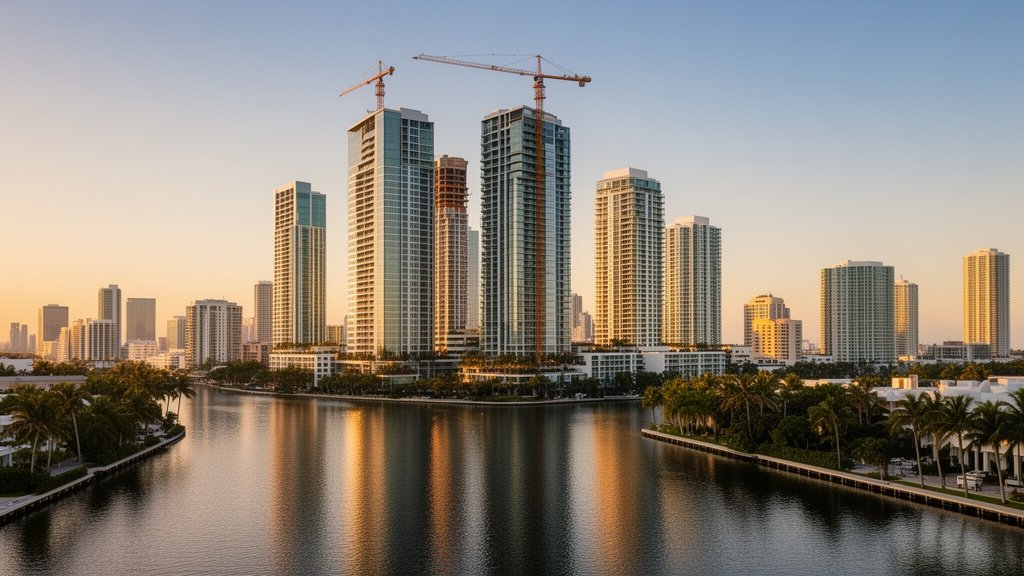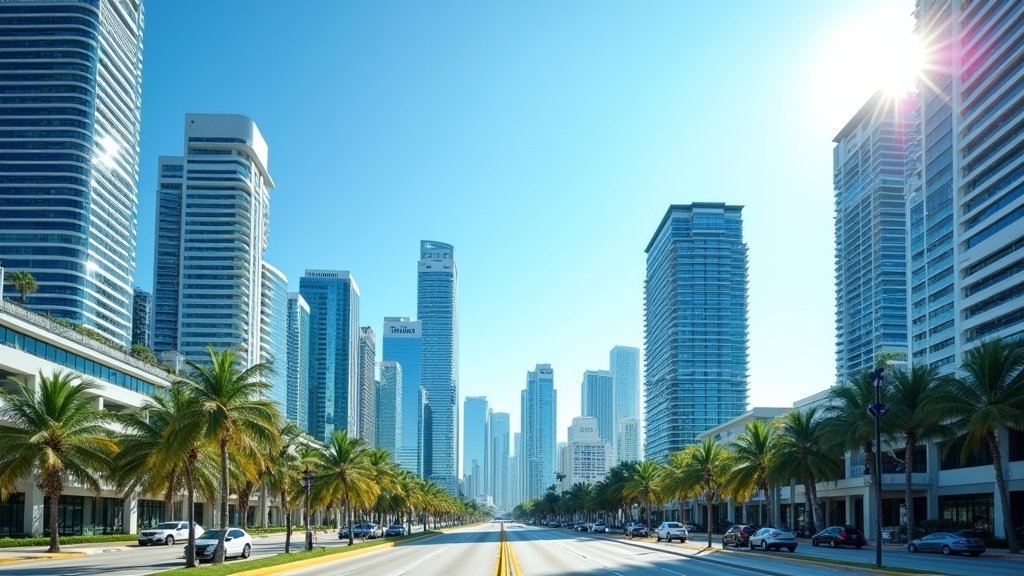
The Miami-Dade office market is effectively bucking the national trend, signaling robust economic resilience while other major U.S. metropolitan areas struggle with the lingering impacts of remote work and declining occupancy rates. Current market data confirms that Miami-Dade is experiencing significant momentum, characterized by positive net absorption, a tightening of vacancy rates, and consistently rising rental premiums. This growth is not merely anecdotal; it reflects a fundamental shift in the regional economy, fueled by sustained business migration and a high concentration of demand for premium assets.
Key Highlights
- Outperforming the Nation: Miami-Dade maintains positive net absorption figures, contrasting sharply with the negative absorption trends seen in major hubs like San Francisco and New York City.
- The ‘Flight to Quality’ Premium: Demand is hyper-concentrated in Class A and Trophy office spaces, particularly in the Brickell and Downtown submarkets, where tenants are willing to pay top-dollar for sustainable, modern facilities.
- Driven by Migration: The influx of finance, tech, and private equity firms relocating to Florida continues to serve as the primary engine for office demand.
- Counter-Cyclical Resilience: Despite broader macroeconomic headwinds, including high interest rates and insurance premiums, the region demonstrates an economic strength that keeps rents on an upward trajectory.
The Brickell Boom: Why Miami Defies the Office Market Downturn
The narrative surrounding the national office market has been one of gloom, often dominated by headlines regarding empty high-rises and plummeting valuations. However, Miami-Dade tells a different story. The county has become the poster child for the “flight to quality,” a trend where corporations are moving away from older, obsolete office stock and consolidating their footprints into high-end, amenity-rich environments.
A Tale of Two Realities
While secondary and tertiary suburban office markets in the U.S. continue to suffer from the “work-from-anywhere” shift, Miami-Dade has maintained a strong office culture. This is largely due to the unique composition of businesses moving into the area. Unlike traditional tech hubs that grew in a vacuum, Miami’s growth is heavily tied to the financial sector—Citadel, private equity firms, and hedge funds—that require in-office collaboration for deal-making and compliance. This cultural demand for physical presence protects the market from the aggressive vacancy spikes seen elsewhere.
The Economics of Rising Rents
Economic strength in Miami-Dade has led to record-breaking rental rates. As of the most recent reporting periods, Class A office rents have reached historic highs, often exceeding $70 to $80 per square foot in premier corridors. This is not driven by irrational exuberance, but by supply constraints. Miami has a finite amount of developable land and a lengthy entitlement process for new construction. When demand from incoming businesses hits this constrained supply, the math necessitates rising rents. For the landlords in these prime submarkets, occupancy remains high, and lease terms are becoming more favorable, with fewer concessions offered than in the previous three years.
Navigating Affordability Challenges
Despite the bullish outlook, the market is not immune to pressure. Business migration into Miami-Dade has exacerbated existing affordability challenges. The surging cost of housing and the high cost of insurance—which is disproportionately affecting commercial real estate in Florida—remain significant headwinds. While companies are choosing Miami for its pro-business environment and tax advantages, there is a limit to how much “rent burden” a company can sustain. The current market strength is robust, but industry analysts are watching closely to see if rental costs eventually hit a ceiling that could temper the pace of future expansions.
Future Outlook: Sustainability of Momentum
Can Miami keep this pace? The consensus suggests that the current momentum is sustainable, provided the region continues to attract high-value corporate residents. The focus has now shifted from whether the market will survive to whether it can diversify. For Miami to maintain this trajectory, the office market must continue to integrate with lifestyle amenities—retail, dining, and luxury residential proximity—which is exactly what the current developments in Brickell and Wynwood are accomplishing. As long as Miami remains a “tier-one” destination for the C-suite, the office sector will likely continue to outperform the national average.
FAQ: People Also Ask
1. Is the Miami office market in a bubble?
Most experts do not classify the current state as a bubble. A bubble implies speculative prices detached from underlying demand. In Miami, the rent increases are largely supported by legitimate demand from high-net-worth firms relocating to the region, and supply remains constrained, which provides a fundamental floor for valuations.
2. How are vacancy rates changing in Miami compared to other US cities?
While national vacancy rates have hovered near historic highs, Miami-Dade’s vacancy rates for Class A properties remain significantly lower. Many submarkets, particularly Brickell, are operating near “full” status, forcing companies to compete for limited high-end space.
3. Will remote work eventually impact Miami’s office sector?
While hybrid work is a reality everywhere, Miami’s business culture—heavily skewed toward finance and law—relies on physical proximity. While the nature of the office (design, amenities) is changing, the necessity of the office space remains higher in Miami than in more “tech-heavy” cities that embraced remote work earlier and more aggressively.
4. What is ‘net absorption’ and why does it matter here?
Net absorption measures the change in occupied square footage. Positive net absorption means more space is being filled than vacated. Miami-Dade’s positive absorption confirms that businesses are actively leasing space, a key indicator of market health.