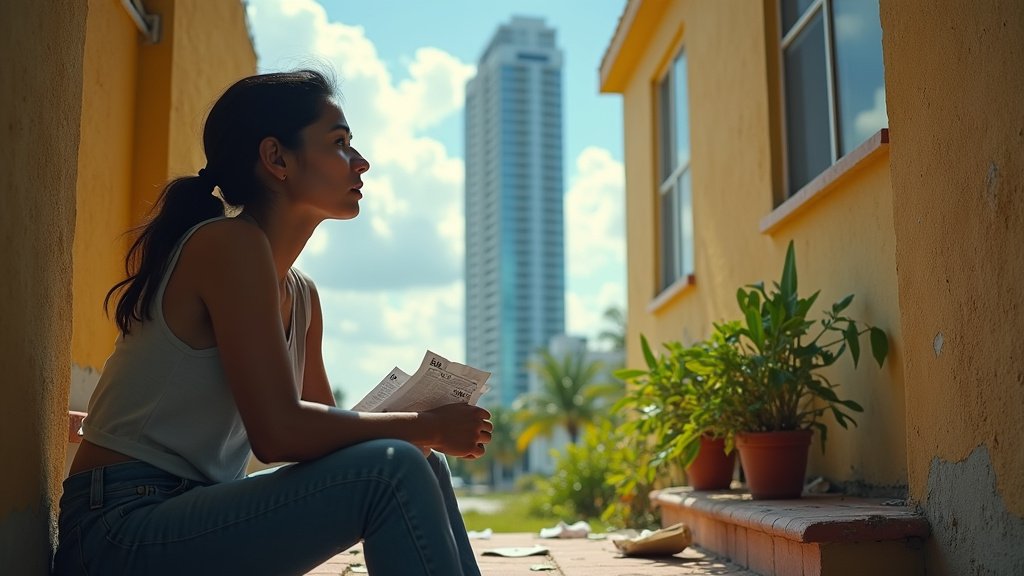
The Miami Housing Crisis is profoundly impacting residents, with many spending a shocking 40% of their income on shelter. This figure far exceeds the national average and expert recommendations, pushing numerous Miamians into becoming “house-poor” and leaving little for other essential needs. The Miami Housing Crisis is a defining challenge for the region, affecting households across Miami-Dade, Broward, and Palm Beach counties. U.S. Bureau of Labor Statistics data for 2023-2024 reveals that households in the Miami metropolitan area spent $64,027 annually, with housing consuming $25,610 of that sum, equating to $2,134 monthly. This represents the highest percentage of expenditure among major metro areas, significantly higher than the national average of 33.2% and the expert recommendation of limiting housing costs to 30% of income, highlighting the severity of the Miami Housing Crisis.
The Wealthy Influx Driving Miami Housing Costs
Miami has become a significant magnet for the wealthy, with high-net-worth individuals rapidly relocating due to Florida’s favorable tax policies and appealing climate. Many affluent newcomers, often from states like New York and California, bring substantial wealth, reshaping the local economy and dramatically impacting the housing market. The surge in luxury real estate sales, fueled by cash-paying wealthy buyers who frequently outbid local residents, is driving property values sky-high and exacerbating the Miami Housing Crisis.
This migration has intensified recently, partly due to the pandemic and the rise of remote work, which allowed affluent individuals to prioritize lifestyle improvements in South Florida. Miami now ranks as a top global city for second homes among the ultra-wealthy, with over 13,200 such individuals owning property there. This trend is contributing to a “luxury-only zone,” making entry-level homes increasingly unattainable for many locals and deepening the housing affordability crisis in Miami.
Factors Contributing to the Miami Housing Crisis
Several intertwined factors contribute to this severe housing crisis. High demand, driven by population growth, international migration, and remote workers seeking Miami’s lifestyle, is met with a limited supply. New construction has struggled to keep pace, and much of it is high-end, failing to address the needs of average households. Restrictive zoning laws, often favoring single-family homes, limit density and hinder the development of more affordable units, a critical aspect of the Miami Housing Crisis.
Furthermore, the proliferation of short-term rentals reduces the availability of long-term housing. Property owners converting rentals to tourist accommodations drives up rents for local residents, leaving fewer options. Experts estimate a deficit of over 90,000 affordable units in Miami-Dade for households earning below 80% of the area median income, a gap projected to widen. This situation is particularly dire for renters, with nearly a third in Miami severely cost-burdened, spending at least half their income on housing, a stark consequence of the ongoing Miami Housing Crisis.
The Human Cost of the Miami Housing Crisis: A Workforce Drained
The consequences of this affordability crisis are profound, forcing many workers to live far from their jobs, endure lengthy commutes, and strain local infrastructure. Some workers are compelled to leave the region entirely in search of more affordable living conditions. This exodus impacts the local workforce, especially essential service workers often earning lower wages that cannot keep pace with rising Miami housing costs. The Miami Housing Crisis threatens the area’s economic diversity by potentially driving away the very people who sustain its economy.
Fears surrounding immigration enforcement also push some workers toward rural areas, further depleting the local labor pool. Racial minorities disproportionately bear the brunt of this crisis, with Black and Hispanic households more likely to be cost-burdened. This situation exacerbates existing inequalities and highlights a critical failure in addressing the Miami Housing Crisis.
Searching for Solutions to the Miami Housing Crisis
Addressing the Miami Housing Crisis demands urgent and comprehensive action. While various initiatives are in motion, a more robust approach is necessary. Efforts to increase housing supply include exploring the use of public land and reforming zoning laws to support small-scale multifamily housing and Accessory Dwelling Units (ADUs). The state’s Live Local Act offers incentives specifically targeting workforce housing shortage development. Additional support comes from down payment assistance programs for first-time buyers and vital rental assistance for immediate relief.
Local governments are actively exploring new strategies, such as mandatory inclusionary zoning, which requires developers to incorporate affordable units into their projects. Preserving existing affordable housing stock and protecting long-term residents from displacement are also crucial components in tackling the Miami Housing Crisis and improving housing affordability in Miami.
A Call for Sustainable Prosperity Amidst the Miami Housing Crisis
Miami’s current housing trajectory is unsustainable, pricing out the essential workforce and widening the economic chasm between the affluent and the general population. This pervasive “house-poor” status hinders prosperity for many, diminishes quality of life, and strains community resources. Miami’s true success hinges not solely on attracting wealth but on ensuring stable, affordable housing Miami for all its residents. News outlets and policy experts concur: Miami cannot thrive if its workforce is priced out. This editorial serves as a call to action, advocating for a concentrated focus on sustainable solutions that prioritize housing affordability to secure Miami’s future economic vitality. The urgency of this news demands immediate and decisive attention to resolve the Miami Housing Crisis.