In an era defined by fractured dialogues and the widening chasm of political polarization, Miami New Drama has launched its latest production, The Zionists: A Family Storm, at the Colony Theatre. Premiering April 9, 2026, the play arrives at a time when the echoes of global conflicts are not just heard on the news but are actively dismantling personal relationships within our own homes. Written by acclaimed playwright S. Asher Gelman, known for his work on Afterglow, this world premiere serves as a mirror to contemporary society, asking a difficult, urgent question: Can family bonds survive when core values shatter?
The Anatomy of a Modern Conflict
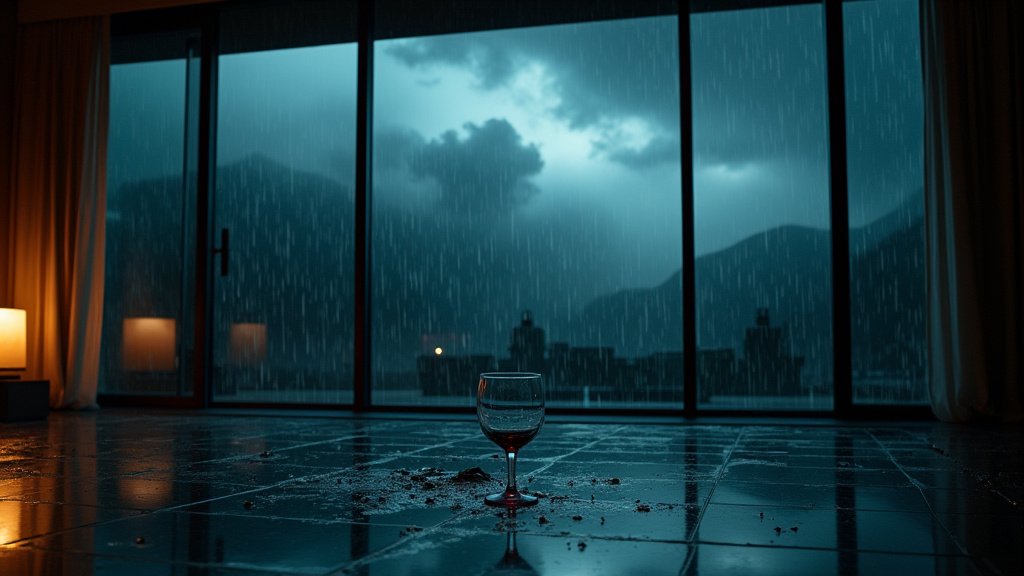
The narrative setup of The Zionists is masterfully claustrophobic. A prominent Jewish family reunites at a luxury Caribbean resort, intending to celebrate or reconnect, but the environment quickly turns hostile. As a literal hurricane gathers force outside their bungalow—a classic theatrical device that effectively raises the stakes and forces containment—an even more destructive storm of political and personal grievances erupts within. The play centers on the aftermath of October 7, 2023, and the subsequent geopolitical and social fallout that has permeated Jewish communities globally. Gelman does not aim to provide easy answers or pick a side in a binary argument. Instead, he focuses on the human collateral damage of ideological rigidity. By placing these characters in an inescapable setting, the audience is forced to witness the painful process of dismantling long-held relationships in real-time, effectively highlighting how the “echo chambers” we inhabit online have bled into our most intimate dining rooms.
Theater as a Crucible for Dialogue
The brilliance of The Zionists lies in its refusal to simplify the complex. In a landscape where social media encourages us to retreat into our corners, Gelman’s work challenges the audience to “stay in the room.” This is not merely a play about the Israeli-Palestinian conflict; it is a profound examination of the mechanics of communication—or the total lack thereof. The dialogue between the characters is fast, vicious, and deeply familiar to anyone who has sat across from a loved one with whom they fundamentally disagree. The play acts as a crucible, testing whether empathy can survive when political identities become synonymous with personal identity.
By centering the story on a Jewish family, the production touches on a specific cultural angst that has been palpable since late 2023. However, the themes transcend religion and ethnicity. The struggle to reconcile love with ideological divergence is a universal experience in 2026. The production, directed by Chloe Treat, emphasizes the physicality of this tension. Every argument, every pause, and every look is laden with the weight of unsaid things. The scenic design by Adam Koch, which depicts the encroaching storm outside the window, serves as a constant reminder that the outside world is never truly left behind, even in a supposed paradise.
The Artistic Ensemble and Production Pedigree
The weight of this production is carried by a powerhouse cast, including veteran actor Avi Hoffman, whose deep involvement in Jewish-themed theater brings an undeniable authenticity to the role of the family patriarch. The ensemble—which includes Shira Alon, William DeMeritt, and Joanna Glushak—navigates the sharp, often aggressive dialogue with a level of vulnerability that makes the play’s final acts resonate with heavy emotional gravity.
What is particularly notable about this world premiere is the collaboration between Miami New Drama and Midnight Theatricals, followed by an upcoming transfer to Barrington Stage Company in Massachusetts. This trajectory signals that The Zionists is poised to become a significant part of the national discourse on theater and politics this year. It is a bold, risky move for a company to lean so heavily into a narrative that is currently causing so much pain and division, but it is exactly this kind of fearlessness that keeps the medium of live theater vital. By refusing to soften the edges of these arguments, the creative team has ensured that the play does not just entertain; it interrogates.
Beyond the Proscenium: The Lasting Impact
Perhaps the most important aspect of The Zionists is what happens after the curtain falls. Miami New Drama has structured post-show talkbacks featuring experts like Dr. Bella Tendler Krieger and Rabbi Efrat Zarren-Zohar. These are not mere academic exercises; they are essential forums for processing the visceral experience of the play. The goal, as Gelman has expressed in multiple interviews, is to encourage audiences to take the energy generated in the theater and channel it into constructive, albeit difficult, conversations in their own lives.
In a world where algorithms serve us only what we want to hear, The Zionists functions as a deliberate interruption. It forces us to confront the people we have lost—and those we risk losing—due to our inability to navigate disagreement. Whether the audience agrees with the characters’ politics is irrelevant to the play’s primary success. The success is in the tension, the dialogue, and the ultimate, haunting realization that the storm outside is nothing compared to the one we create ourselves when we stop listening to one another. As the play moves toward its conclusion, it leaves the viewer not with a resolution, but with a challenge: How do we fix what has been broken, and is it worth the effort to try?