The Miami City Commission is poised to finalize a pivotal financial maneuver this week, voting to earmark up to $69 million in proceeds from the planned sale of the outdated Miami Riverside Center (MRC) to bankroll the city’s burgeoning civic campus near Miami Freedom Park. This strategic capital injection marks a major milestone in the city’s long-term plan to modernize its administrative infrastructure, shifting government operations from the aging riverfront facility into a purpose-built, high-tech municipal complex scheduled for completion in 2028. By liquidating this high-value asset, the city is not merely offloading an aging building; it is actively funding its own future in a high-growth sector of the metropolis.
The Economic Rationale Behind the Sale
The proposed vote, set for April 9, aims to establish a legally restricted capital fund. According to internal city documents, the sale—tied to a 2019 development agreement with Lancelot Miami River LLC, an affiliate of the Adler Group—will direct between $58 million and $69 million into a dedicated account. Unlike general funds, which can be diverted to operational expenses, these proceeds are earmarked exclusively for capital costs associated with the new civic campus. This separation ensures the project has the necessary liquidity to move forward as construction timelines intensify. The deal is effectively a swap of an obsolete, inefficient asset for a future-proofed, centralized hub of government services, allowing the city to realize the equity in its current waterfront real estate while simultaneously lowering long-term maintenance liabilities associated with a decades-old building.
From Utility Hub to Urban Landmark: The Legacy of MRC
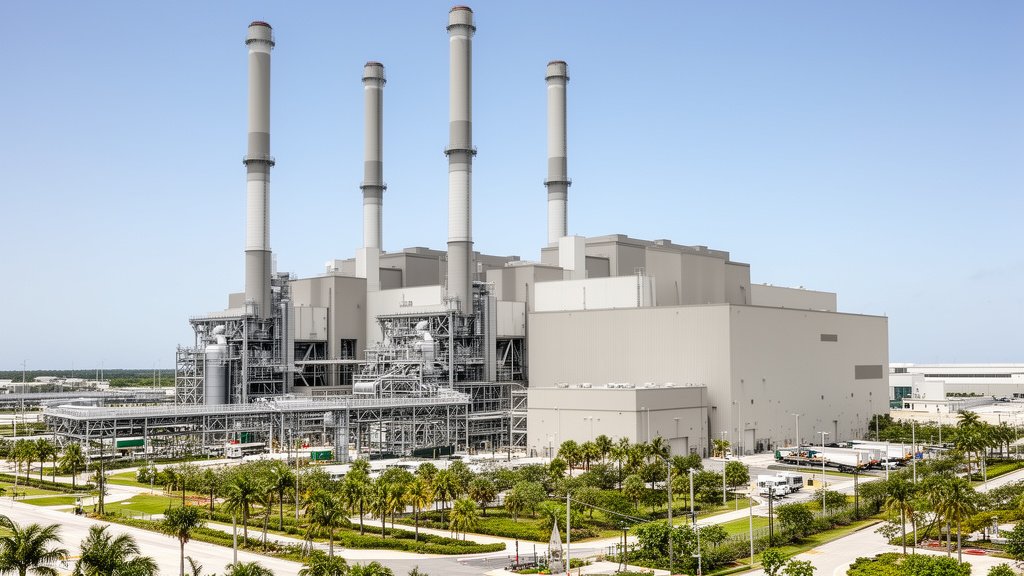
Constructed originally for Florida Power & Light (FPL), the Miami Riverside Center (MRC) at 444 SW Second Ave. has served as the backbone of city administration for years. However, its conversion from a utility headquarters to a municipal government building was never a perfect fit. By 2015, the facility was officially deemed “functionally obsolete.” The structure, though iconic in its riverside location, struggles with outdated HVAC systems, inefficient spatial layout, and a lack of modern digital infrastructure—shortcomings that hinder the city’s ability to provide efficient public service. For years, city planners have recognized that the land on which MRC sits—a prime waterfront location near the Miami River—represents a “highest and best use” conflict. While the building occupies a crucial piece of the downtown core, it fails to provide the aesthetic or functional value that modern urban density demands.
The Future: A Civic Campus at Miami Freedom Park
The planned replacement, a $250 million-plus civic campus, represents a departure from the traditional model of a single, centralized city hall building. By situating the new complex near Miami Freedom Park, the city is signaling a shift toward community-integrated public service. The new campus will not just be a collection of offices; it is designed to facilitate closer interaction between city employees and the public they serve. Designed by Arquitectonica, the project aims to integrate with the broader 130-acre mixed-use development, which includes a stadium for Inter Miami CF and substantial commercial and recreational space. This strategic placement ensures that the government is located not at the periphery, but at the heart of the city’s next major cultural and economic hub.
Strategic Real Estate Evolution
The disposal of the MRC site is a critical piece of a much larger real estate puzzle. For the Adler Group, the acquisition represents a transformative opportunity to develop the riverfront property, which has been in the works for nearly a decade. For the city, it solves the conundrum of financing a massive infrastructure project without relying solely on traditional tax levies. By structuring the deal through a pre-negotiated purchase option, Miami has effectively “de-risked” the transition. The city has managed the lifecycle of the MRC property to coincide with the readiness of the new campus, avoiding a gap in operations or a double-payment scenario. This level of synchronization in municipal real estate development is rare and speaks to a matured approach to asset management within the city’s Department of Real Estate and Asset Management (DREAM).
Challenges and Moving Forward
Despite the clear benefits, the path to 2028 is not without hurdles. The transition requires the seamless migration of key city departments from their current riverfront location to the new campus. This move involves complex logistics, including the relocation of legislative chambers, public-facing services, and sensitive government IT infrastructure. Furthermore, as the city approaches the construction phase, it must remain vigilant regarding inflationary pressures on materials and labor, which have plagued construction projects across South Florida. However, the decision to capture and ring-fence the $69 million in proceeds now protects a significant portion of the budget against future cost overruns, providing a financial safety net for the remainder of the construction schedule.