The City of Miami is on the verge of a significant structural and financial realignment as the City Commission prepares to vote on a proposal to monetize the long-standing Miami Riverside Center (MRC). This strategic move aims to channel approximately $60 million in projected proceeds from the sale of the aging downtown administrative building into a restricted capital fund specifically earmarked for the city’s new $250 million-plus civic campus. Situated near the rapidly developing Miami Freedom Park, the upcoming complex represents a modernization of the city’s municipal infrastructure, transitioning away from facilities deemed “functionally obsolete” toward a sustainable, purpose-built center designed to meet the demands of a growing metropolis. This transaction is tied to a 2019 agreement with Lancelot Miami River LLC, an affiliate of the Adler Group, which currently leases the prime riverfront property.
Key Highlights
- Strategic Divestment: The city plans to capture an estimated $58 million to $69 million from the sale of the MRC, transitioning the valuable riverfront asset into a funding stream for municipal growth.
- Civic Campus Expansion: The generated capital will be strictly deposited into a dedicated account for the new $250 million-plus civic campus located near the Miami Freedom Park site.
- Decades-Long Project: The relocation effort, which addresses the functional obsolescence of the 444 SW Second Ave facility, has been in motion since 2015, with ground breaking for the new facility commencing in early 2025.
- Architectural Integration: The new campus, designed by Arquitectonica, is set to consolidate city departments into a 380,000-square-foot facility, with full operational capacity targeted for early 2028.
Unlocking the Future: Miami’s Riverside Transformation
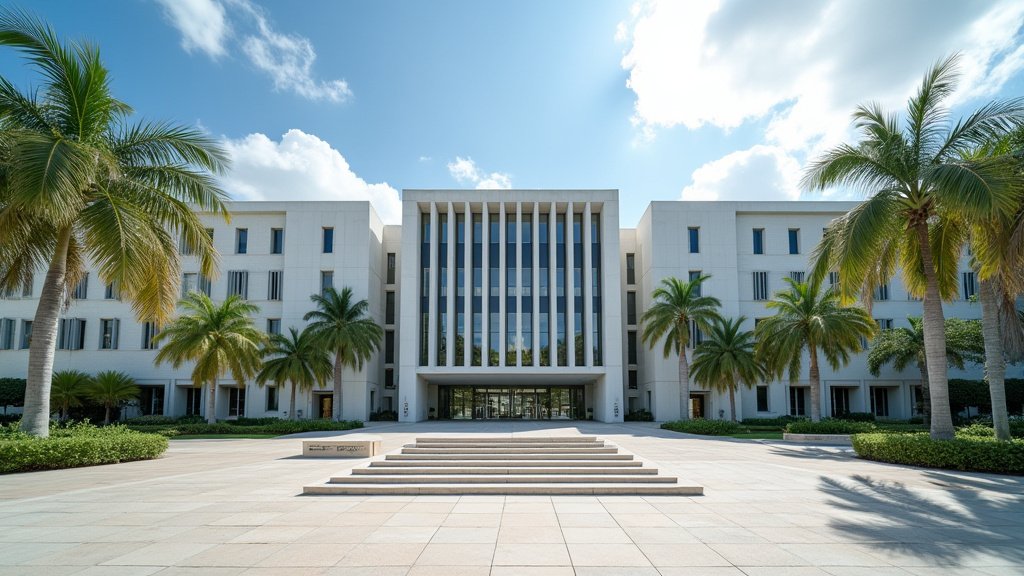
For the City of Miami, the upcoming vote on the disposition of the Miami Riverside Center (MRC) is not merely a real estate transaction; it is the culmination of a decade-long endeavor to streamline government operations while capitalizing on one of downtown’s most prominent real estate assets. The current headquarters at 444 SW Second Ave, originally constructed for Florida Power & Light (FPL), has long been criticized by municipal leaders as inefficient and outdated, falling short of the modern technological and space requirements needed to serve the city’s burgeoning population.
The Financial Mechanics of Renewal
The proposed deal is deeply rooted in a 2019 contractual framework with Lancelot Miami River LLC. Under the current arrangement, the developer maintains a long-term interest in the site, which the city has leased for roughly $3.62 million annually. The option for the developer to purchase the property is valued at approximately $69.4 million. Once adjusted for specific credits and existing contractual obligations, the city expects a net inflow of at least $58 million.
Crucially, the city is implementing strict financial safeguards to ensure these funds are not swallowed by general operational costs. Resolution documents specify that the proceeds will be placed into a restricted capital account, exclusively dedicated to the construction and development of the new administration building. By isolating these funds, the city is insulating its long-term infrastructure project from the volatility of general budgetary cycles, ensuring that the “civic campus” vision remains fully funded regardless of external economic fluctuations.
From Riverfront to Freedom Park
The narrative of Miami’s administrative infrastructure has shifted significantly over the last several years. Initially, city officials explored the possibility of redeveloping the MRC site into a mixed-use complex that would have included a new city hall. However, the strategy pivoted in 2022. Facing rising costs and changing urban priorities, the city decided to relocate the municipal hub to the former Melreese Golf Course site, now known as the Miami Freedom Park development.
This shift is emblematic of a broader “decentralization” effort intended to integrate government services with community-oriented districts. The new location, adjacent to Inter Miami CF’s newly inaugurated stadium, places the civic center at the heart of a vibrant, multi-purpose district. This move is designed to make government services more accessible and to capitalize on the site-specific growth associated with the Freedom Park development, which has become a focal point for international interest and local economic activity.
Architectural Vision and Future-Proofing
Designed by the globally recognized architectural firm Arquitectonica, the new eight-story, 380,000-square-foot facility is intended to be more than just an office building. It serves as a statement on the future of governance in South Florida. With construction well underway—site work having commenced in January 2025—the project is progressing toward a 2028 operational target.
Unlike the existing MRC, which suffers from legacy design constraints typical of mid-century industrial architecture, the new facility is being built with high-efficiency standards, sustainable materials, and modular interior designs that can adapt to future technological integration. The consolidation of multiple city departments into this single, high-tech campus is expected to reduce long-term maintenance overhead and increase inter-departmental collaboration, creating a more cohesive administrative force for the “Magic City.”
Secondary Angles: Economic, Historic, and Long-Term Impacts
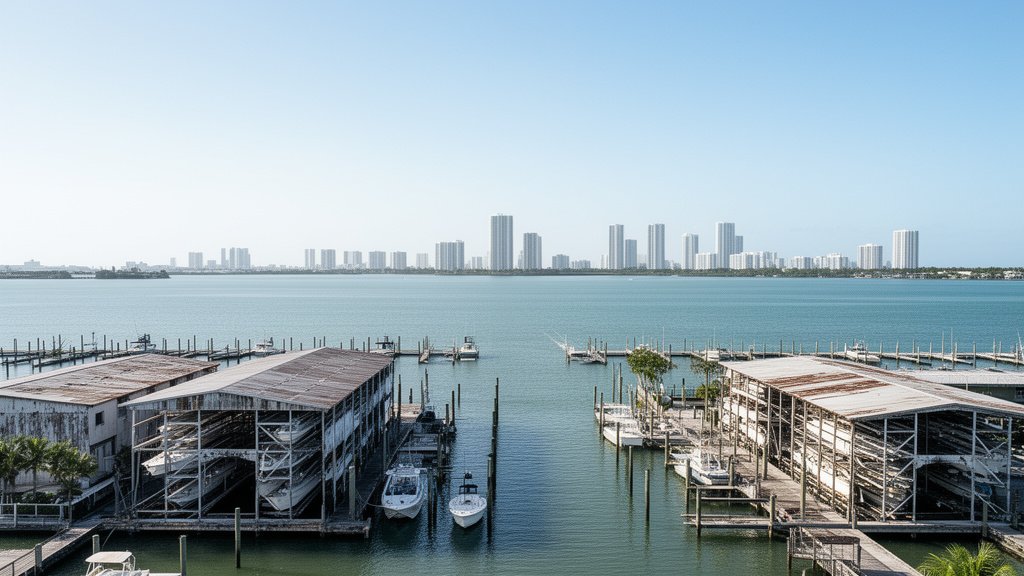
1. The Evolution of the Miami River: The sale of the MRC site acts as a bookend to a specific era of Miami development. The riverfront, once dominated by industrial and utility infrastructure, has transitioned into a high-density, mixed-use corridor. The departure of the city’s administrative hub allows for the site’s total redevelopment into luxury high-rises or commercial centers, further accelerating the privatization of the waterfront.
2. The “Freedom Park” Catalyst: The relocation of city government to the vicinity of the Miami Freedom Park provides an interesting case study in “civic anchoring.” By placing a major municipal hub next to a massive sports and entertainment complex, the city is signaling a shift toward integrated urban planning, where civic, recreational, and commercial uses are tightly coupled to ensure the sustained vibrancy of the area.
3. Fiduciary Responsibility: Critics and proponents alike view this as a test of the city’s ability to maximize taxpayer-owned assets. The multi-year, complex negotiation process involving Adler Development Manager LLC, which oversees construction for a 5% fee, highlights the city’s move toward public-private partnership models for large-scale infrastructure, a strategy that is becoming the standard for major American cities looking to modernize without overextending public debt.
FAQ: People Also Ask
Q: Why is the city selling the Miami Riverside Center?
A: The building is considered “functionally obsolete,” meaning it no longer meets the modern space, technology, and security requirements necessary for a growing city. Selling the asset allows the city to monetize the land to pay for a new, purpose-built facility.
Q: When will the new civic campus be completed?
A: Construction is expected to wrap up in late 2027, with the city aiming for full operations to begin by early 2028.
Q: Who is the primary developer involved in the MRC site purchase?
A: Lancelot Miami River LLC, an affiliate of the Adler Group, has been the primary party tied to the agreement for the property, following a 2019 contractual arrangement.
Q: Where is the new city headquarters being built?
A: The new administrative campus is located on city-owned land at the former Melreese Golf Course site, which is now part of the wider Miami Freedom Park development near the new soccer stadium.