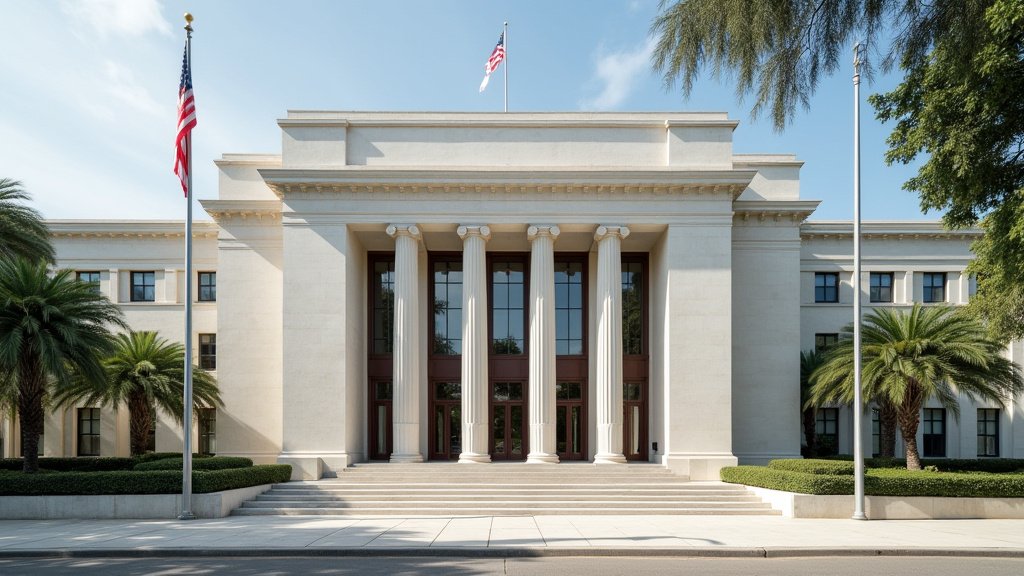
Inter Miami rallies twice to earn a draw in new stadium opener vs. Austin, signaling a resilient start to a high-stakes era for the club. In an atmosphere thick with anticipation and the palpable energy of a new home advantage, the team showcased an impressive ability to recover from setbacks, proving they can remain competitive even when trailing against disciplined opposition. This match, which served as a focal point for the soccer community over the past week, highlighted both the tactical flexibility of the coaching staff and the individual brilliance of key players who refused to let the momentum shift decisively in Austin’s favor.
The Resilience Factor
The narrative of the match was defined by its see-saw nature. Austin FC, known for their structured defensive play and rapid transitions, struck early, forcing Inter Miami to find an immediate tactical response. The ability to equalize not once, but twice, speaks volumes about the mental toughness currently installed in the squad. Managers often talk about ‘character’ in the locker room, but seeing it manifest on the pitch during a high-profile opening game provides empirical evidence of a culture shift. The players displayed a composure that was notably absent in previous seasons, utilizing the width of the field to stretch the Austin defense and create gaps that were systematically exploited.
Tactical Adaptations and Performance Metrics
From a technical perspective, the game was a masterclass in reactionary coaching. After going behind, the tactical shift to a higher pressing line allowed Inter Miami to force turnovers in the final third. This strategy was not without risk, as it left the backline vulnerable to counter-attacks, yet the defensive unit maintained enough discipline to minimize catastrophic errors. Midfield pivot control was the cornerstone of the comeback efforts; by dominating the central channel, the team was able to dictate the tempo of the second half. The data suggests that ball possession was nearly split, but the quality of chances created—particularly those stemming from transitional play—leaned heavily in favor of the hosts.
Building for the Future
The draw may not be written in the history books as a victory, but the ramifications for the remainder of the season are significant. A stadium opener is a pressure cooker environment where the psychological weight of expectation can often paralyze a team. By demonstrating the stamina to rally, Inter Miami has sent a message to the rest of the league: they are a difficult team to put away. The integration of newer roster additions into the starting XI also appeared more seamless than in previous fixtures, suggesting that the training ground chemistry is finally translating to the competitive stage. As the season progresses, this specific result will likely be viewed as a pivotal moment where the team learned to embrace the grind, fostering a belief that no deficit is insurmountable. The challenge moving forward will be sustaining this level of intensity against lower-table teams, where complacency can often derail the momentum gained from high-stakes performances against quality opponents like Austin FC.