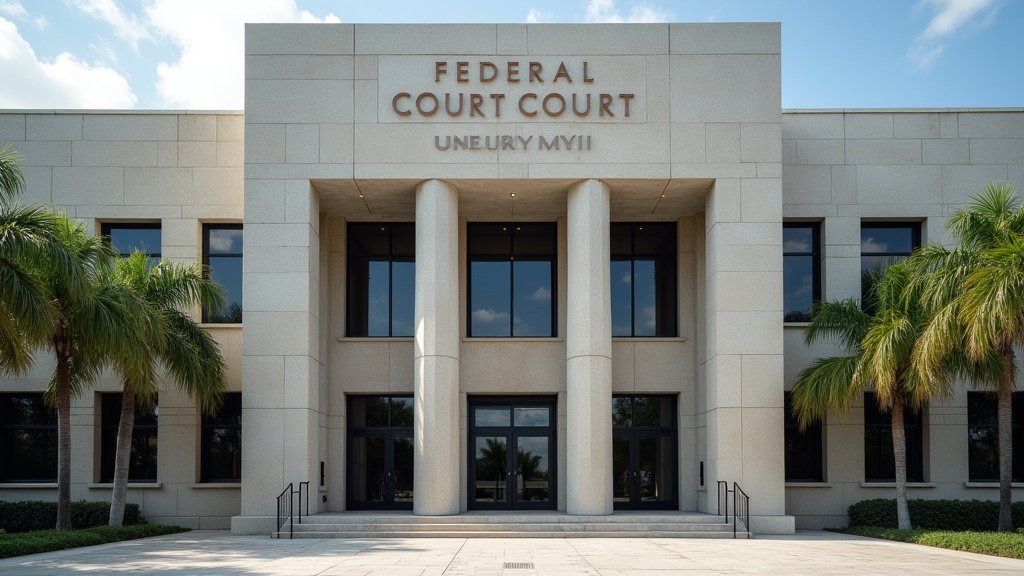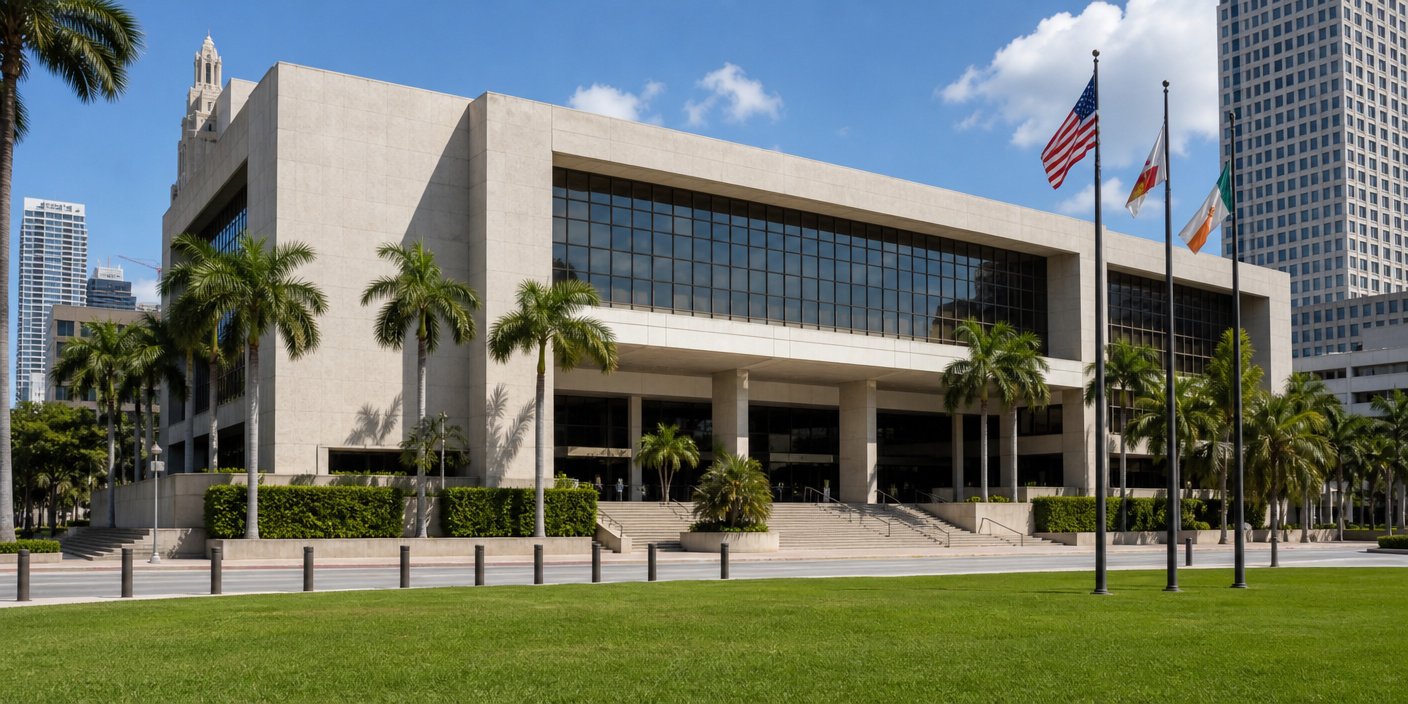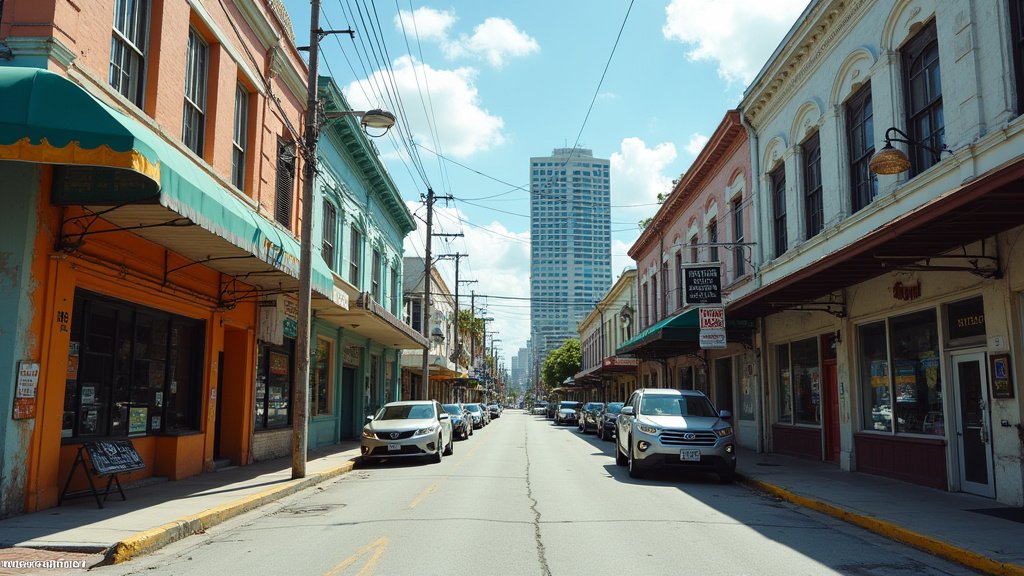
The City of Miami is poised to commit $40 million over the next five years to the Allapattah Community Redevelopment Agency (CRA), a strategic financial maneuver that unfolds even as a high-stakes legal battle persists with Miami-Dade County regarding the agency’s operational mandate. With the City Commission scheduled to vote on the funding measure and potential legal action on September 24, the outcome could reshape the administrative future and economic trajectory of one of Miami’s most historically significant and rapidly evolving neighborhoods. This funding, intended to stimulate infrastructure and development, sits at the center of an escalating power struggle between municipal and county authorities over control of local redevelopment dollars.
Key Highlights
- Investment Commitment: The City of Miami is planning a $40 million capital injection into the Allapattah CRA spread across a five-year fiscal period.
- Impending Deadline: The Miami City Commission is set to deliberate and vote on both the funding package and associated legal strategies on September 24.
- Legal Standoff: The action proceeds despite a lingering, unresolved legal conflict with Miami-Dade County concerning the jurisdiction and mandate of the Allapattah CRA.
- Economic Focus: The initiative is designed to leverage Tax Increment Financing (TIF) to spur growth, though its legal standing remains a point of contention for county officials.
The Financial and Legal Tug-of-War Over Allapattah
Decoding the Allapattah Community Redevelopment Agency Mandate
At the heart of the current controversy lies the Allapattah Community Redevelopment Agency, a specialized municipal entity designed to combat blight and foster economic revitalization. The fundamental mechanism for CRAs is Tax Increment Financing (TIF), a public financing method that captures the increase in property tax revenues within a designated district to fund local improvements. However, the creation and expansion of CRAs in Miami have often been met with skepticism by Miami-Dade County officials, who frequently argue that these agencies siphon funds that would otherwise support broader county-wide services, such as public transportation, health, and law enforcement.
For Allapattah, a neighborhood characterized by its rich industrial heritage, vibrant immigrant communities, and recent influx of artistic and high-end residential development, the CRA represents a powerful tool for managed growth. Proponents of the funding package argue that the $40 million is essential to modernize infrastructure, support small businesses, and ensure that the rapid gentrification seen in neighboring districts does not displace long-term residents. Yet, the legal friction with the County suggests that this battle is as much about political authority as it is about neighborhood improvement.
The $40 Million Allocation: Breaking Down the Five-Year Plan
The proposed $40 million expenditure is not merely a lump sum but a calculated five-year roadmap. This financial strategy is intended to prioritize several critical areas: the improvement of public utilities, streetscape enhancements along key corridors like NW 20th Street and NW 36th Street, and the provision of grants for historic property restoration. By spreading the allocation over five years, the City aims to maintain a steady stream of capital, which advocates claim will allow for long-term project planning rather than reactionary, piecemeal repairs.
However, the authorization of these funds while a legal challenge is active creates significant fiscal uncertainty. If the courts were to rule against the City regarding the CRA’s formation or mandate, the legality of these expenditures could be called into question, potentially freezing projects mid-development. The upcoming September 24 vote is therefore not just a budgetary decision; it is a defensive move by the City to solidify the CRA’s operational footing before further legal challenges can be mounted.
The Core Legal Conflict with Miami-Dade County
The relationship between the City of Miami and Miami-Dade County has historically been fraught with territorial disputes, and the Allapattah CRA is a quintessential example of this friction. The County has previously raised objections regarding the legality of the City’s process in creating the agency, citing concerns over oversight and the alleged encroachment on the County’s taxing authority.
From the County’s perspective, the formation of such agencies requires a higher degree of transparency and inter-local coordination than they believe has been demonstrated. The City, conversely, maintains that it has followed all administrative requirements under Florida law to establish the district. This stalemate has resulted in a environment where policy initiatives are frequently delayed or complicated by litigation. By pushing for the $40 million commitment, the City appears to be betting that creating a fait accompli—funding the agency—will strengthen its position in court, signaling to the judiciary that the entity is an operational, active part of the neighborhood’s governance.
Economic and Neighborhood Development Context
Beyond the political maneuvering, Allapattah sits at a critical junction in Miami’s real estate market. Positioned between the high-cost luxury developments of the Design District and the transit-accessible areas near the airport, Allapattah is an attractive target for developers. The CRA’s role, as defined by the City, is to ensure this development benefits the existing community.
Economic analysts point out that without a robust CRA, the neighborhood might see ‘uncontrolled gentrification,’ where property values rise rapidly, leading to the displacement of legacy businesses and families. The $40 million, if successfully deployed, could fund affordable housing initiatives and small business assistance programs. The economic impact could be substantial, potentially creating a buffer that stabilizes the neighborhood even as market forces exert pressure from all sides.
Future Projections: Post-September 24th
What happens after the September 24 vote will likely determine the short-term future of Allapattah’s urban planning. Should the Commission approve the funding, it will represent a significant escalation in the city-county conflict. It is highly probable that the County will seek an immediate injunction to halt the expenditure of funds until the underlying legal questions are settled.
Conversely, a vote to delay or reduce funding would be seen as a retreat by the City, potentially stalling infrastructure projects and signaling a weakening resolve in the face of County pressure. Regardless of the outcome, the Allapattah CRA case serves as a broader bellwether for the future of municipal autonomy in Florida. As urban areas grow, the tension between the push for localized, neighborhood-specific redevelopment and the need for regional, county-wide fiscal equity will likely continue to manifest in courtrooms and commission chambers across the state.
FAQ: People Also Ask
1. What is the main purpose of the Allapattah Community Redevelopment Agency?
The primary goal of the CRA is to mitigate blight, improve infrastructure, and stimulate economic activity in the Allapattah neighborhood through Tax Increment Financing (TIF).
2. Why is the County suing the City of Miami over this agency?
Miami-Dade County has challenged the CRA’s formation and mandate, arguing that the City did not adhere to required oversight protocols and that the agency encroaches on the County’s regional tax authority.
3. How will the $40 million be used?
The proposed $40 million is intended to be spent over five years on public infrastructure upgrades, streetscape improvements, and potential grants for neighborhood businesses and historic building restoration.
4. What happens if the City Commission votes to fund the agency on September 24?
The vote will authorize the financial commitment, but it is likely to trigger further legal action from the County, potentially including requests for injunctions to block the spending until the court decides on the agency’s legitimacy.