As Miami-Dade County barrels toward the August 18 primary election, the city’s electorate faces a high-stakes crossroads. Beyond the typical selection of candidates for local and regional offices, residents are being asked to weigh in on two distinct, yet equally defining, ballot measures. These decisions—one regarding the architectural future of the historic Miami Marine Stadium and the other concerning the procedural mechanics of municipal election timing—promise to reshape the city’s civic and cultural landscape for decades to come.
Shaping Miami’s Civic and Architectural Legacy
The Miami Marine Stadium: A Historic Icon in Limbo
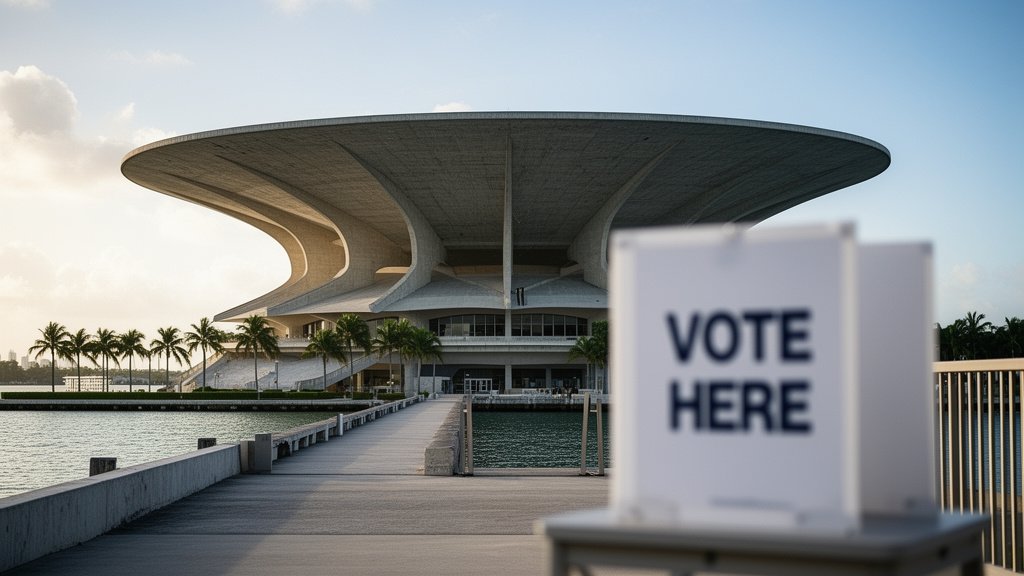
The debate surrounding the Miami Marine Stadium is more than a discussion about infrastructure; it is a battle for the soul of Miami’s waterfront history. Designed by architect Hilario Candela and opened in 1963, the stadium served as an unparalleled venue for powerboat racing, concerts, and community gatherings before it was shuttered in 1992 following the destruction wrought by Hurricane Andrew. For over three decades, the cantilevered roof structure has stood as a silent, deteriorating monument, waiting for a definitive path forward. The ballot measures presented to voters on August 18 are intended to finally break this cycle of paralysis. Proponents of restoration argue that the stadium represents a unique piece of mid-century modern architecture that, if rehabilitated, could serve as an anchor for the surrounding Virginia Key district, drawing tourism and cultural investment. Conversely, skeptics point to the massive financial undertaking required to bring the site up to modern building codes—an estimated multi-million dollar capital expenditure that could strain municipal coffers. This vote forces residents to decide whether the heritage value outweighs the ongoing maintenance risk.
The Mechanics of Democracy: Election Timing Reform
Perhaps less visible but arguably more influential on the daily function of city government is the proposal to alter Miami’s municipal election timing. Currently, Miami maintains a localized election cycle that often results in lower voter turnout compared to county, state, or federal election cycles. The ballot measures proposed for August 18 seek to explore or implement a shift, aligning municipal contests with the higher-turnout cycles of general elections. This strategy is driven by the logic of fiscal responsibility and democratic participation. By synchronizing these elections, the city could significantly reduce the costs associated with staffing precincts, printing ballots, and managing logistics for separate voting dates. Furthermore, proponents argue that aligning these cycles reduces ‘voter fatigue,’ which is a documented phenomenon where frequent elections lead to diminishing returns at the polls. By moving to a consolidated calendar, advocates hope to see a spike in voter engagement, ensuring that the representatives who make decisions about the city’s tax rates, zoning laws, and infrastructure are elected by a broader, more representative swath of the population.
The Economic and Social Stakes
The dual nature of these ballot initiatives highlights the complex responsibilities of the modern voter. When residents head to the polls on August 18, they are not merely checking a box; they are casting a vote for an economic trajectory. The Marine Stadium question is an investment decision—an opportunity cost calculation that weighs potential tourism revenue against the immediate fiscal drain of restoration. Meanwhile, the election timing question is an institutional one—a decision on how the city conducts its internal affairs. Both issues are deeply entrenched in the wider narrative of Miami’s rapid development. As the city grapples with the pressures of gentrification, climate resilience, and infrastructure demands, these ballot measures serve as a temperature check on the electorate’s appetite for long-term project investment versus operational efficiency. The August 18 results will inevitably signal to the City Commission how aggressive they should be in pushing for large-scale legacy projects versus how much they should focus on streamlining the bureaucratic status quo. Understanding the nuance behind these specific measures is essential for any citizen aiming to participate meaningfully in the democratic process this cycle, ensuring that the long-term vision for Miami reflects the collective will of its residents rather than just special interest groups.