Key Takeaways
- The conflict between the US and Iran has intensified, with both sides launching military strikes.
- President Trump has demanded unconditional surrender from Iran and is forming a coalition against drug cartels.
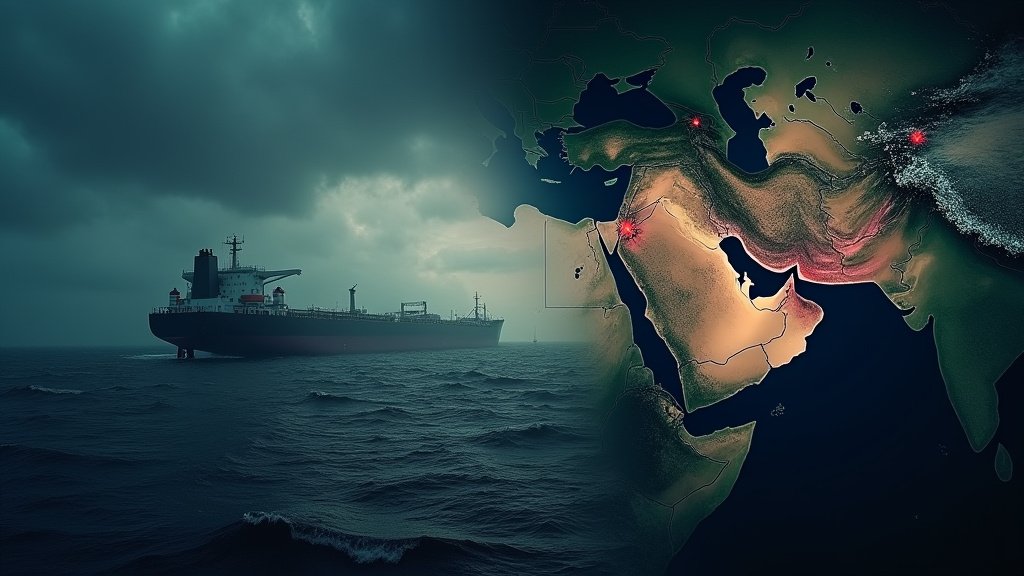
- Global oil prices have surged due to the conflict’s impact on supply and potential Strait of Hormuz closure.
- Russia has been accused of providing intelligence on US troop movements to Iran.
- The US has conducted strikes on Iran, reportedly targeting military capabilities and leadership, while Iran has retaliated with missile attacks.
Summary Lead
On March 7, 2026, the conflict between the United States and Iran continued to dominate headlines. President Donald Trump has escalated rhetoric by demanding Iran’s unconditional surrender and has initiated a new multinational coalition to combat drug cartels in the Western Hemisphere. Simultaneously, the war has significantly impacted global energy markets, leading to a surge in oil prices and concerns over the potential closure of the Strait of Hormuz. Russia has also been implicated, with reports suggesting it is providing intelligence on US military activities to Iran.
The Deep Dive
Escalation of Hostilities and Diplomatic Demands
The war between the United States and Iran, now entering its second week, has seen a significant increase in military actions. Israeli warplanes conducted strikes on Tehran, targeting what they described as a bunker beneath a compound of the former Supreme Leader Ali Khamenei, reportedly still in use by Iran’s leadership. The US has warned Iran that “the worst is still to come”. President Trump has reiterated his demand for an “unconditional surrender” from Iran, stating that Washington would not negotiate otherwise. He also announced the formation of a 17-nation “Shield of the Americas” alliance aimed at eradicating drug cartels in the Western Hemisphere, underscoring a multi-front approach to global security.
Impact on Global Energy Markets
The ongoing conflict has had a profound effect on global oil supply and prices. Qatar has warned that energy exports could halt within weeks if the war continues. US oil prices have surged by over 12% due to the war’s impact on supply, including concerns over the Strait of Hormuz, a critical chokepoint for global oil transport. President Trump has attributed the price surge to the conflict and predicted a decrease in prices once the war concludes, anticipating they will fall below pre-war levels.
Allegations of Russian Involvement
Reports have emerged suggesting Russia is providing intelligence on the locations and movements of American troops, ships, and aircraft to Iran. This intelligence allegedly includes imagery from Moscow’s satellite constellation. The extent of Russia’s involvement and what it receives in return remains unclear. However, several Iranian drone attacks have targeted locations where US troops have been stationed.
Retaliatory Strikes and Civilian Casualties
Iran has launched retaliatory missile attacks, striking Israel and several Gulf countries that host US forces. In response to these attacks, the White House approved a $129 million arms sale to Israel. Iran’s President Massud Peskan rejected Washington’s demand for unconditional surrender, calling it a “dream they should take to their grave”. He also apologized for Iran’s attacks on regional countries, attributing them to a potential breakdown in communication within Iran’s military ranks. An Iranian drone attack near Dubai International Airport temporarily suspended operations, causing black smoke to be seen above the terminal.
US Military Actions and Civilian Impact
The United States has carried out strikes on Iran, with sources at US Central Command indicating that American missiles have struck 3,000 targets in the past week. Reports also suggest the US may be responsible for a strike that killed over 160 students at a school in southern Iran, though neither the US nor Israel claimed responsibility. The US Defense Secretary Pete Hegseth stated that the school was in an area where extensive military action was carried out, emphasizing that civilian targets are never intentionally targeted. The conflict has resulted in significant civilian casualties, with Iran’s ambassador to the United Nations reporting over 1,300 Iranian civilians killed. Across Ukraine, Russia has also carried out significant aerial attacks, launching hundreds of drones and missiles, which killed at least 10 people in Kharkiv and damaged infrastructure.
US Troop Casualties and Dignified Transfer
President Trump participated in a dignified transfer ceremony for six US service members killed in the early days of the war with Iran. These service members died during an unmanned aircraft system attack in Kuwait on March 1, 2026. The fallen soldiers were identified by the Department of Defense, and President Trump expressed his condolences to their families.
FAQ: People Also Ask
What is President Trump’s stance on the conflict with Iran?
President Trump has demanded an “unconditional surrender” from Iran and stated that the United States will not negotiate with Iran unless this demand is met. He has also initiated a new multinational coalition to combat drug cartels in the Western Hemisphere.
How is the conflict affecting global oil prices?
The war has significantly impacted global oil supply, leading to a surge in US oil prices. Concerns over the potential closure of the Strait of Hormuz, a crucial shipping lane, are a major factor. President Trump believes prices will decrease once the war ends.
Are there any reports of Russia’s involvement in the conflict?
Yes, there are reports indicating that Russia is providing intelligence on US troop movements, locations, and activities to Iran. This intelligence is believed to include satellite imagery.