Miami Beach officials are rallying against a controversial development bill advancing through the Florida Legislature, urging lawmakers in Tallahassee to reject the measure that they argue could fundamentally alter the city’s coastal character and regulatory autonomy. The proposed legislation, which has sparked significant opposition from local leaders, aims to streamline development approvals across the state, but critics fear it will override local zoning and environmental protections.
Key Highlights:
- Miami Beach officials are actively lobbying against a state development bill.
- The bill, if passed, could weaken local control over zoning and development.
- Concerns are high regarding potential impacts on coastal character and environmental regulations.
- The city is urging lawmakers to reject the legislation.
Coastal Control Under Fire: Miami Beach’s Fight in Tallahassee
The heart of the dispute lies in Senate Bill 1408 and its House companion, HB 987, which propose to preempt local governments’ ability to regulate certain development projects, particularly those near coastal areas. Miami Beach, a city defined by its unique beachfront and a delicate ecosystem, fears that these bills will pave the way for unchecked development, potentially exacerbating issues like sea-level rise and storm surge vulnerability. City Manager Alina Hudak and Mayor Steven Meiner have been at the forefront of these efforts, engaging with legislators in the state capital to voice their strong objections. They argue that the bill, as written, fails to adequately consider the specific vulnerabilities and existing regulatory frameworks of coastal communities like Miami Beach. The city’s planning department has meticulously detailed how the proposed legislation could undermine years of work aimed at sustainable development and resilience. The opposition is not merely a procedural objection; it’s a defense of the city’s right to manage its own growth and protect its most vital natural and economic resources. The battle in Tallahassee represents a critical juncture for Miami Beach, potentially setting a precedent for how state-level development policies interact with local governance and environmental stewardship.
The Preemption Problem
A core concern for Miami Beach is the principle of preemption – the idea that state law can override local ordinances. While proponents of the bill argue it’s necessary to cut through red tape and encourage economic growth, opponents see it as a dangerous erosion of local control. For a city that has grappled with issues like short-term rentals, historic preservation, and now, the existential threat of climate change, the ability to enact tailored local regulations is paramount. The current legislative proposals, according to Miami Beach officials, do not offer sufficient carve-outs or considerations for these highly localized challenges. The fear is that generic, statewide mandates will not account for the specific geological, ecological, and social fabric of places like Miami Beach, leading to unintended and potentially damaging consequences.
Environmental and Resilience Worries
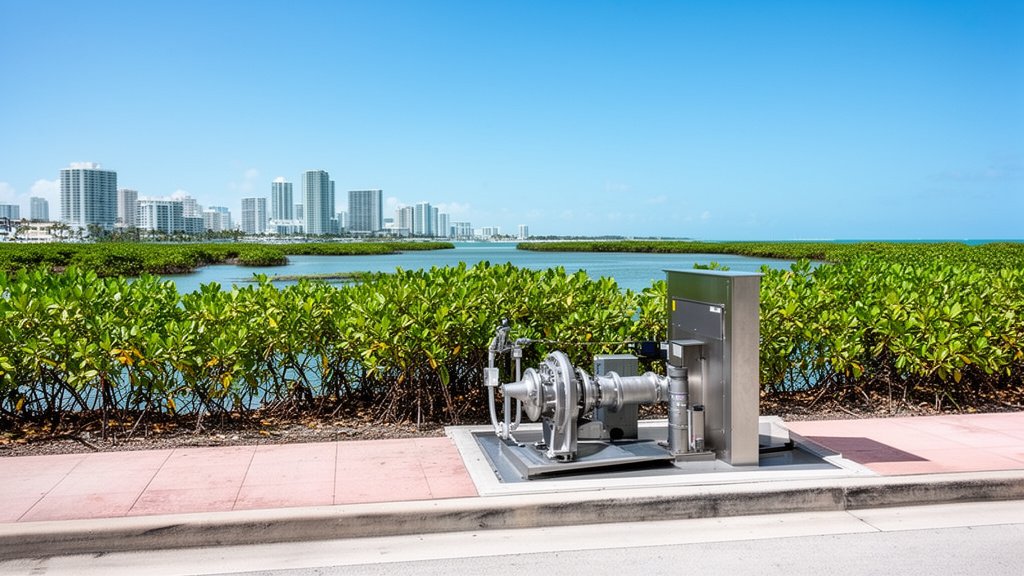
Miami Beach is on the front lines of climate change, with significant portions of the city at or near sea level. The city has invested heavily in infrastructure projects, including pumps and elevated roads, to combat rising waters. Environmental advocates and city planners worry that the proposed development bill could lead to projects that are incompatible with these resilience efforts. Increased density or construction in vulnerable areas, without adequate local oversight, could compromise the effectiveness of existing flood mitigation strategies and increase the risk to public safety and property. The bill’s potential to bypass stringent environmental reviews is a particularly thorny issue, as Miami Beach’s unique coastal environment requires careful management to preserve its natural beauty and ecological balance.
Economic Stakes and Tourism Impact
While the bill is framed as an economic development tool, Miami Beach officials and local business leaders are concerned about the potential negative economic impacts. The city’s allure as a tourist destination is intrinsically linked to its iconic beaches, vibrant culture, and carefully managed urban environment. Uncontrolled development, or the degradation of its coastal assets, could tarnish this image and deter visitors. Furthermore, the increased strain on infrastructure and potential for greater damage from storms could lead to long-term economic liabilities. The debate highlights a fundamental tension between state-level economic development goals and the localized economic realities and priorities of communities like Miami Beach.
FAQ: People Also Ask
What is the main concern regarding the development bill in Miami Beach?
The main concern is that the bill could preempt local zoning and environmental regulations, leading to uncontrolled development that undermines the city’s coastal character, resilience efforts, and regulatory autonomy.
Who are the key figures opposing the bill from Miami Beach?
City Manager Alina Hudak and Mayor Steven Meiner are among the key figures from Miami Beach actively lobbying against the bill in Tallahassee.
How could the bill affect Miami Beach’s environment?
Opponents fear the bill could lead to development that is incompatible with sea-level rise and storm surge resilience efforts, potentially weakening environmental protections and increasing risks in vulnerable coastal areas.
What is ‘preemption’ in the context of this bill?
Preemption refers to state law overriding local ordinances. In this case, the bill could limit Miami Beach’s ability to enforce its own development and zoning rules.
What is the argument for the development bill?
Proponents argue that the bill is necessary to streamline development approvals, reduce bureaucratic hurdles, and stimulate economic growth across the state.