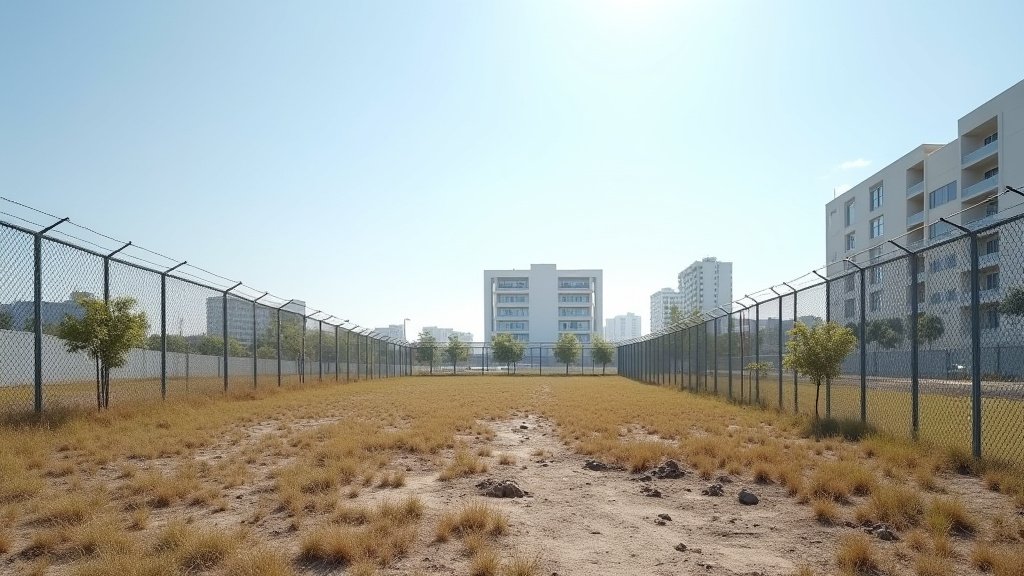
The 18-acre General Services Administration (GSA) site in Allapattah stands as one of the most significant pieces of undeveloped real estate in Miami, yet it continues to exist in a state of suspended animation. Despite recent legislative maneuvers designed to streamline city procurement and restore administrative authority to the City Manager, the project remains stalled. As developers and community advocates watch closely, the expected Request for Proposals (RFP) has failed to materialize, leaving the future of this massive municipal holding in a bureaucratic deadlock that speaks volumes about the current challenges facing large-scale urban redevelopment in Miami.
Key Highlights
- Site Scale: The GSA site encompasses 18 prime acres in the heart of Allapattah, a neighborhood currently undergoing rapid transition.
- The RFP Delay: Despite administrative efforts to streamline development workflows, no official Request for Proposals (RFP) has been posted, halting potential housing and commercial progress.
- Legislative Friction: The project is caught in the crosshairs of ongoing political debates regarding the division of power between the City Manager and the City Commission.
- Strategic Location: Situated between the burgeoning arts district and the Miami Health District, the site represents a critical opportunity for mixed-use economic development.
- Status: The development is officially classified as ‘action pending,’ with no clear timeline for when the procurement process will officially launch.
Allapattah’s 18-Acre Crossroads: Why the GSA Lot Remains Vacant
The story of the GSA site is, in many ways, the story of modern Miami: a collision of massive economic potential, complex zoning laws, and the friction of municipal governance. The 18-acre tract, located centrally within Allapattah, has long been identified as a ‘crown jewel’ for potential development. However, the path from city-owned surplus land to a vibrant, job-creating, or housing-rich development is proving to be a jagged, uncertain road.
The Bureaucratic Bottleneck and Authority Struggles
At the heart of the delay lies a fundamental dispute over ‘who holds the pen.’ In recent sessions, Miami’s governing bodies have oscillated between centralizing procurement power—attempting to give the City Manager more direct authority to execute contracts and RFPs—and maintaining strict Commission oversight. Proponents of restoring City Manager authority argue that the current fragmented process is the primary reason the GSA site is languishing. They claim that by removing unnecessary layers of bureaucratic review, the city could move faster to solicit bids from qualified developers.
Opponents of this consolidation, however, fear that reducing oversight invites ethical risks and reduces transparency. This tug-of-war has effectively neutralized progress. Every time the city attempts to ‘streamline’ its development rules, the legal and political nuances of how those rules apply to legacy city properties often lead to further delays. For the GSA site, this has resulted in a consistent pattern of ‘pending’ status updates with no meaningful forward movement.
The Missing RFP: A Process in Limbo
An RFP (Request for Proposals) is the lifeblood of urban development; it is the official invitation for private capital to partner with the public sector. The absence of an RFP for the 18-acre site is the defining feature of its current dormancy. In typical real estate cycles, a site of this magnitude would be marketed with aggressive timelines. The fact that the city has not yet issued this call to action suggests that internal consensus on what the site should ‘be’—whether it is intended for 100% affordable housing, a mixed-use commercial hub, or a public-private institutional facility—remains unresolved.
The Allapattah Transition and Economic Stakes
Allapattah itself is not waiting for the city to move. The neighborhood has seen significant private investment over the past five years, effectively bridging the gap between the industrial heritage of the area and the upscale expansion of the nearby Wynwood arts district. The GSA site sits at the epicenter of this transition. By failing to bring this land to market, the city is effectively missing out on substantial tax revenue, construction jobs, and the ability to dictate the architectural and social standards of the development.
Future Predictions and Community Impact
Looking forward, the status of the GSA lot serves as a litmus test for Miami’s administrative efficiency. If the city cannot successfully navigate the redevelopment of its own land, it raises questions about its capacity to oversee complex public-private partnerships on a grand scale. Analysts predict that until a firm decision is reached on the procurement authority, the site will likely remain a vacant anchor in an otherwise rapidly developing corridor. The community, meanwhile, is calling for transparency, demanding to know if the delay is a symptom of political gridlock or a deliberate pause to reassess the long-term value of the land in an appreciating market.
FAQ: People Also Ask
Q: What is the primary reason for the delay on the Allapattah GSA site?
A: The primary delay stems from unresolved political friction regarding municipal procurement authority. Disagreements over whether the City Manager or the City Commission should control the bidding process have effectively stalled the release of a Request for Proposals (RFP).
Q: Why is the 18-acre GSA site significant to Miami?
A: It is one of the largest remaining contiguous parcels of city-owned land in an area experiencing extreme high-growth pressure. Its development could serve as a model for urban infill, affordable housing, or commercial growth in Allapattah.
Q: What is an RFP in this context?
A: A Request for Proposals (RFP) is a formal document issued by the city to potential developers, inviting them to submit plans and bids for the site. Without it, the city cannot legally receive or review development proposals.
Q: Has the city changed its procurement rules to help?
A: Yes, there have been recent legislative efforts to streamline the procurement process and restore specific authority to the City Manager, but these efforts have yet to result in the successful issuance of an RFP for this specific site.
Q: When will the site finally be developed?
A: There is currently no firm timeline. The project remains in a ‘pending’ state, and the next step would be the city finalizing the terms and issuing an RFP, which has not yet occurred.