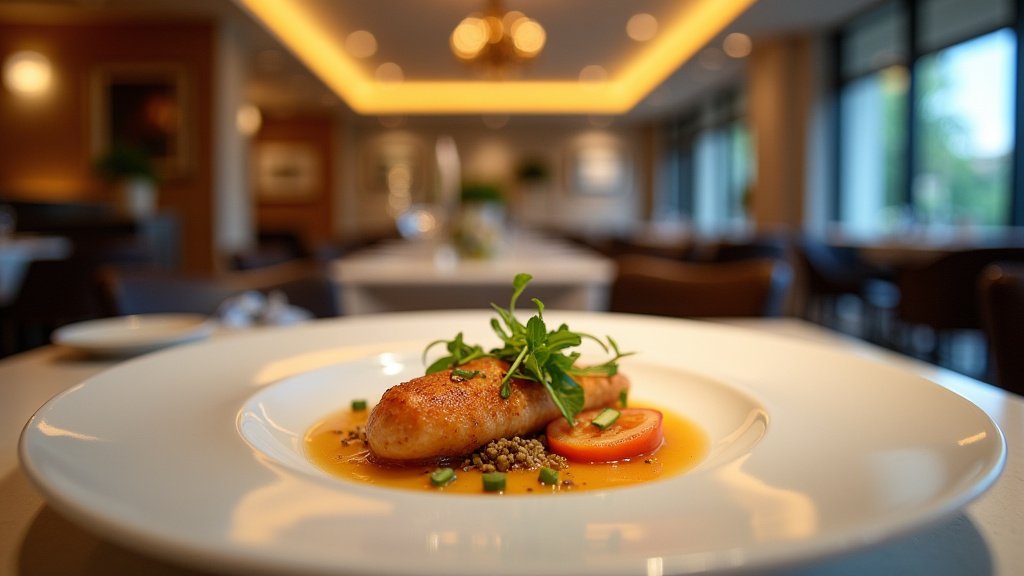
The Greater Miami Convention & Visitors Bureau (GMCVB) has announced a landmark extension for the 25th annual Miami Spice Restaurant Months, solidifying the event’s presence through October 31, 2026. This decision, driven by an unprecedented surge in participation featuring over 400 top-tier local restaurants, marks a strategic pivot in how the region manages its culinary tourism calendar. By stretching the reach of this signature dining promotion, Miami is looking to sustain the momentum of one of the most successful economic drivers in its hospitality portfolio.
The 25th Anniversary Milestone
This year marks the silver anniversary of Miami Spice, a program that has evolved from a simple promotional tool into a cultural institution. Originally designed to bolster dining reservations during the slower late-summer and early-fall months—traditionally known as the ‘shoulder season’ in South Florida—the program has successfully transformed the local dining landscape. The decision to commit the program through 2026 highlights the GMCVB’s confidence in the enduring appeal of Miami’s unique culinary offerings. This quarter-century milestone is not just a celebration of longevity; it is a testament to the robust relationship between local chefs, restaurant operators, and the thousands of patrons who flock to these establishments annually.
Economic Impact: The Engine of Local Hospitality
The primary driver behind this multi-year extension is the undeniable economic impact recorded during the 2024 season. With over 400 restaurants participating, the program has acted as a stabilizer for the local labor market. By incentivizing dining out during periods where tourism typically dips, Miami Spice ensures that kitchen staff, service teams, and suppliers maintain consistent workflow. The economic ripple effect is significant: increased foot traffic leads to higher demand for local agricultural produce, increased sales tax revenue for the city, and sustained employment levels in a sector that often faces volatility during the heat of late summer and early autumn.
Navigating the 400+ Participating Venues
For the discerning diner, the expansion through 2026 offers a unique opportunity to explore the breadth of Miami’s gastronomic scene without the urgency of a short-term window. The sheer volume of 400+ participants means that the offerings range from Michelin-starred fine dining to hole-in-the-wall authentic ethnic eateries that define the city’s multicultural fabric. Participating restaurants have been tasked with curating ‘Spice’ menus that showcase signature dishes at accessible price points, usually focusing on three-course lunch and dinner offerings. The GMCVB’s portal serves as the definitive hub for navigation, allowing users to filter by cuisine type, neighborhood—from Coral Gables to Miami Beach—and price tier. This long-term extension allows for a more relaxed dining schedule, encouraging residents and visitors alike to ‘tastemake’ their way through the city’s diverse districts.
Culinary Tourism and Future Predictions
Looking ahead, the commitment to 2026 suggests a long-term strategic vision for Miami as a top-tier global culinary destination. By extending the programming, the city is signaling to international travelers that Miami is ‘open for business’ year-round. Experts anticipate that this sustained effort will encourage restaurants to experiment further with seasonal ingredients, potentially shifting the menu focus toward local harvest cycles rather than generic, year-round staples. Furthermore, the extension may encourage the development of new restaurant concepts that specifically launch with the intent of participating in the Miami Spice ecosystem, creating a recurring, predictable influx of investment into the city’s restaurant infrastructure.
Sustainability and the ‘Shoulder Season’ Strategy
Beyond the raw numbers, the extension addresses the critical issue of seasonality in a tourist-heavy economy. By keeping the Miami Spice brand active and highly visible through late October, the GMCVB is effectively softening the economic blow of the hurricane season and the pre-holiday slump. This strategy of ‘extending the season’ is a model that other major metropolitan areas are watching closely. The success of this initiative proves that with the right partnership between public tourism bureaus and private business owners, it is possible to cultivate a year-round dining culture that benefits all stakeholders, from the dishwasher to the executive chef.