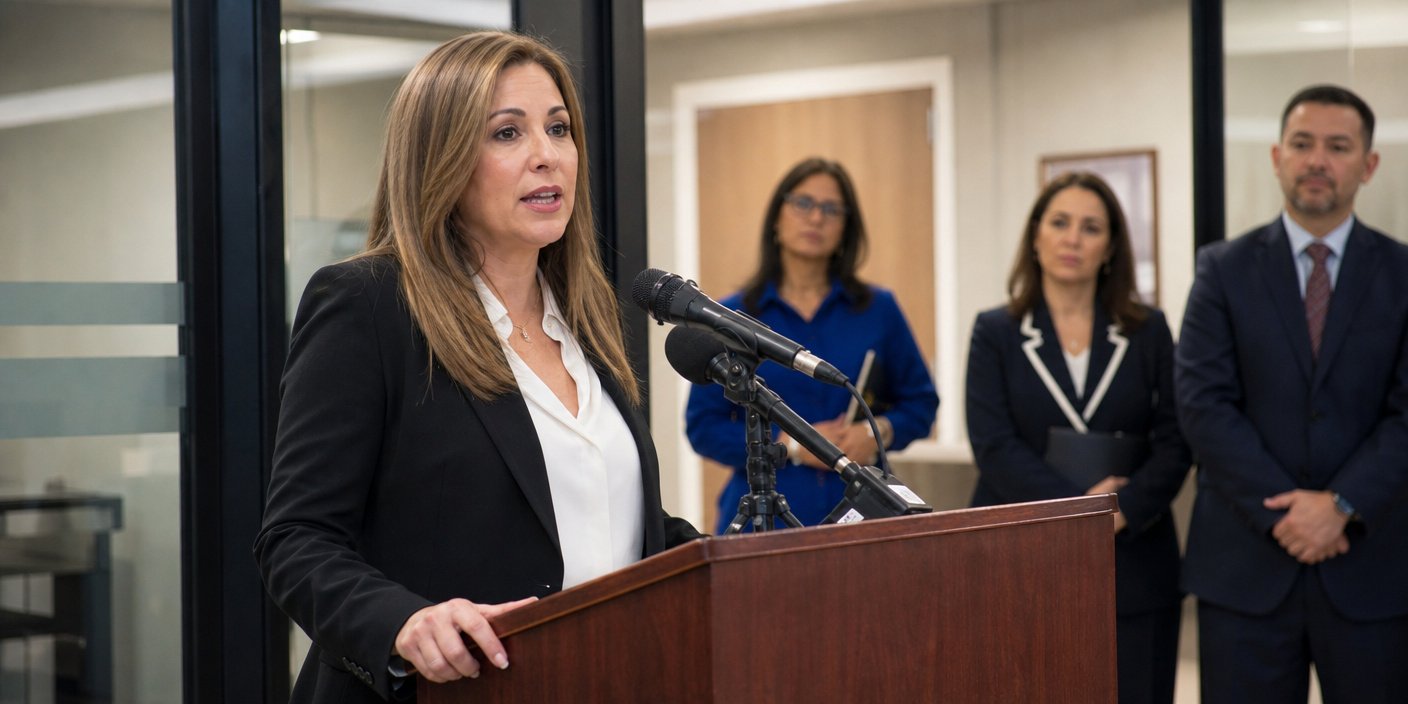
The Miami-Dade Sheriff’s Office is entering its inaugural fiscal chapter with unprecedented financial backing, following the formal approval of a record-breaking $1.234 billion budget by county officials. This substantial allocation, spearheaded by Miami-Dade County Mayor Daniella Levine Cava and Commission Chairman Anthony Rodriguez, signals a decisive investment in the infrastructure and operational capacity of the newly re-established constitutional office, which is transitioning from the previous mayoral-controlled police department model.
Key Highlights
- Record Funding: The Miami-Dade County Commission approved a total budget of $1.234 billion specifically for the Sheriff’s Office.
- Budget Surplus: This allocation includes an additional $186.3 million above the amount originally certified and requested by the Sheriff’s transition team.
- Strategic Transition: The funding is critical to support the move to an elected Sheriff’s office, as mandated by the Florida Constitution.
- Leadership Consensus: The plan reflects a unified approach from Mayor Daniella Levine Cava and Commission Chairman Anthony Rodriguez to ensure law enforcement continuity.
The Fiscal Overhaul: Understanding the $1.234 Billion Budget
The approval of a $1.234 billion budget for the Miami-Dade Sheriff’s Office is more than a mere line item in the county ledger; it represents a fundamental restructuring of the largest law enforcement agency in the southeastern United States. With the constitutional requirement to establish an elected sheriff, Miami-Dade is navigating a complex administrative and financial transition that requires deep capital investment. The approval of $186.3 million beyond the sheriff’s certified request underscores the administration’s commitment to avoiding operational shortfalls during this critical startup phase.
Historical Context: The Shift to an Elected Sheriff
For decades, the Miami-Dade Police Department functioned as a county department under the direct purview of the Mayor. However, a statewide constitutional amendment required Florida counties to elect their sheriffs, effectively dissolving the old hierarchy and necessitating the creation of an independent office. This process is not merely symbolic; it requires the decoupling of human resources, information technology, payroll systems, and fleet management from the broader county infrastructure. The $1.234 billion budget is designed to absorb the costs associated with these massive technical and organizational separations, ensuring that public safety services face zero interruption during the handoff.
Analyzing the $186.3 Million Surplus
The $186.3 million buffer above the sheriff’s requested amount is the most significant aspect of this budget approval. In bureaucratic terms, this creates a ‘safety net’ for the new office. Transitioning agencies often encounter unforeseen costs—ranging from the procurement of new digital management software to the physical renovation of administrative offices and the logistical challenges of branding and fleet updates. By allocating this additional capital, the Commission and Mayor have provided the Sheriff’s Office with the financial flexibility to address emergent needs without requiring mid-year emergency budget hearings. This proactive approach is widely viewed by fiscal analysts as a hedge against the inflation of administrative costs associated with forming a constitutional office from the ground up.
Political Dynamics and Governance
The collaboration between Mayor Daniella Levine Cava and Commission Chairman Anthony Rodriguez has been instrumental in the smooth passage of this budget. Navigating the political landscape of Miami-Dade requires balancing the demands of public safety unions, taxpayers, and administrative oversight. The fact that the Commission approved a figure significantly higher than the initial request suggests a high degree of confidence in the transition plan. Both leaders have emphasized that while the figure is high, it is a necessary one-time investment to establish an office that will serve the county for generations to come. This unity effectively mitigates the risk of political gridlock that often plagues municipal budget negotiations.
Operational Implications for the County
Looking ahead, the fiscal year will focus on stabilizing the force. With the budget secured, the Miami-Dade Sheriff’s Office can now proceed with finalizing contracts, hiring specialized staff for the independent administration, and procuring advanced technology systems for crime reporting and data analytics. The operational impact will be felt on the street level as well, where the new administration intends to deploy resources with greater autonomy. Taxpayers, while seeing a record-high budget allocation, are expected to see the results in terms of maintained response times and the modernization of the county’s law enforcement infrastructure. As the office matures, the focus will likely shift from capital-heavy startup costs to the recurring operational expenses necessary to maintain a large-scale metropolitan law enforcement agency.
FAQ: People Also Ask
Q: Why was the budget for the Sheriff’s Office increased by $186.3 million above the request?
A: The additional funds serve as a strategic contingency to cover the complex, unforeseen costs associated with separating the Sheriff’s Office from the existing county police infrastructure, ensuring operational stability during the transition.
Q: Does this budget mean taxes will increase in Miami-Dade?
A: The approved budget is an allocation of existing county resources. While budget approvals are complex, the administration has structured this to prioritize current revenue and capital allocations without signaling immediate tax hikes.
Q: When does the new Sheriff’s Office officially take full control?
A: The transition is a phased process governed by the Florida Constitution, with the financial and operational autonomy currently being solidified by this budget, which sets the stage for the office’s permanent independent status.
Q: Who were the key figures behind this budget approval?
A: The approval was a joint effort between Miami-Dade County Mayor Daniella Levine Cava and Commission Chairman Anthony Rodriguez, who worked to ensure the budget exceeded minimum requirements for stability.