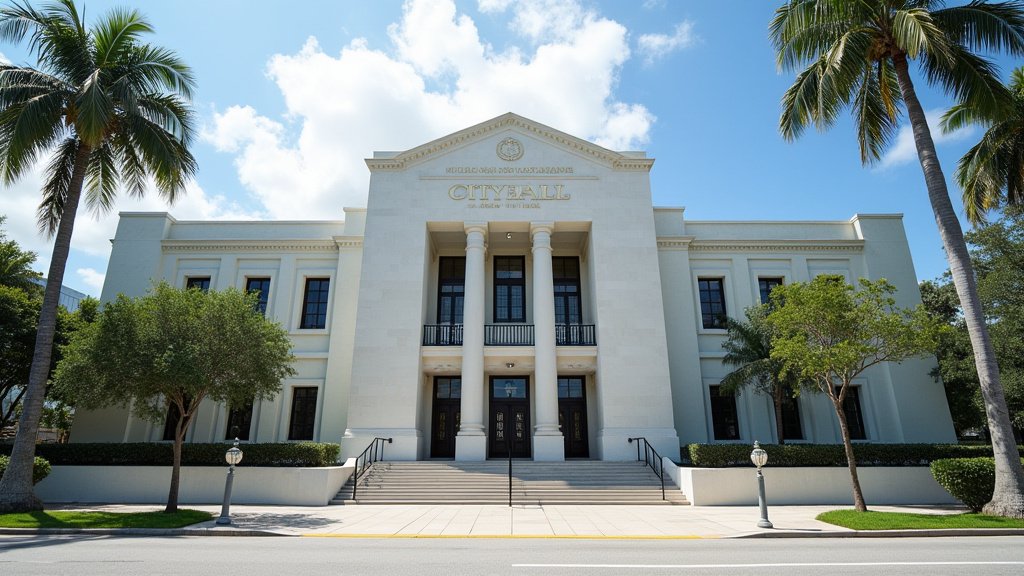
The high-level diplomatic summit focused on the trajectory of the Russian-Ukrainian war, held in Miami, Florida, concluded in a sudden and unexpected manner yesterday. Officials involved in the multi-lateral negotiations confirmed that the planned second day of the summit was cancelled, citing logistical complications and internal schedule adjustments. The talks, which brought together high-ranking representatives from the United States, Ukraine, and key European Union member states, were intended to solidify long-term aid packages and strategic coordination for the winter months. The abrupt cessation of these discussions has raised questions regarding the current alignment of diplomatic priorities among the primary stakeholders, as the international community navigates a precarious moment in the conflict.
Key Highlights
- Abrupt Termination: A two-day diplomatic summit in Miami involving US, European, and Ukrainian officials was curtailed after just one day, cancelling the scheduled second day of proceedings.
- Uncertain Justification: While official communications cited “logistical scheduling conflicts,” analysts remain skeptical, pointing to the high-stakes nature of the war effort and the absence of prior scheduling warnings.
- Focus of Talks: The agenda was reportedly centered on securing winter energy aid, long-term military hardware supply chains, and the synchronization of potential peace framework discussions.
- Diplomatic Ripple Effects: The cancellation has drawn immediate attention from international observers who track the cohesion of the US-EU-Ukraine triad, with many now looking toward upcoming G7 sessions for clarification.
The Miami Diplomatic Freeze: Analyzing the Early Exit
The abrupt termination of the high-level diplomatic summit in Miami, Florida, serves as a jarring departure from the standard operational tempo of transatlantic diplomacy. Initially conceived as a critical forum for refining the collaborative strategy between the United States, the European Union, and the government of Ukraine, the conference was scheduled to span two intensive days of deliberation. However, by the evening of the first day, representatives confirmed that the second day of programming would not proceed. This development, while framed by participants as a mere realignment of calendars, has generated significant speculation within global security circles, particularly given the magnitude of the challenges currently faced on the front lines of the Russian-Ukrainian war.
The Anatomy of the Cancellation
At the core of the event was the intention to align the U.S. State Department’s priorities with the European External Action Service (EEAS) and the Ministry of Foreign Affairs of Ukraine. The meeting was designed to facilitate granular, closed-door coordination—the kind that typically defies the rigid, often performative nature of larger, public-facing summits. When organizers issued the notice that the second day was scrubbed, the justification provided centered on ‘scheduling anomalies’ and ‘logistical friction.’ However, historical precedent suggests that high-level diplomatic summits rarely collapse over scheduling alone. Diplomats at this tier typically manage calendars months in advance. The unexpected cancellation has prompted observers to question whether deeper fissures in strategic consensus—rather than simple logistical bottlenecks—were the true catalyst for the early adjournment.
Geopolitical Frictions and Strategic Alignment
One of the most critical secondary angles to consider is the subtle, yet persistent, divergence in the strategic goals of the participants. While there has been broad, unified public support for Ukraine, the practical realities of long-term conflict management are complex. The United States, currently grappling with its own domestic political cycle, faces competing demands for its resources. Simultaneously, European nations are balancing their own economic inflationary pressures with the necessity of maintaining robust defense production. The Miami talks were intended to serve as a pressure valve, allowing these disparate interests to coalesce into a single, actionable roadmap. The fact that the process was interrupted mid-stream invites a critical examination of the current state of the G7 Strategic Group and its ability to maintain a unified front against the Kremlin’s long-term endurance strategy. Is there a widening gap in the desired pace of escalation or the criteria for future peace negotiations? This is the primary concern for regional analysts tracking the fallout.
Preparing for the Winter Offensive
Beyond the diplomatic mechanics, the timing of this summit was particularly sensitive. As winter approaches, the logistical demands on the Ukrainian military increase exponentially. The agenda in Miami reportedly placed a heavy emphasis on energy infrastructure protection and the rapid deployment of air defense systems. The sudden departure of the diplomatic teams means that these crucial details—often involving sensitive, classified logistics—were left on the table. Without the conclusion of these discussions, the immediate execution of coordinated aid packages may face delays. The downstream effect of this is not merely a bureaucratic irritation; it potentially impacts the tangible defensive capabilities of Ukrainian forces in the field, who rely on the seamless integration of Western military support to maintain territorial integrity during the harsh winter months.
Future Implications and Transatlantic Stability
The Miami incident is likely to be viewed as a litmus test for the sustainability of current diplomatic protocols. The reliance on these ad-hoc, high-level summits has been a defining feature of the response to the invasion, but the efficacy of this model is now under the microscope. If such summits are prone to sudden, unexplained interruptions, the international community may be forced to revert to more formal, treaty-based mechanisms, which are often slower but arguably more resilient to the vagaries of political mood. Moving forward, observers should look toward the next scheduled NATO Ministerial meetings and subsequent G7 sessions to see if the topics left unaddressed in Miami are prioritized, or if they have been shelved in favor of more cautious, localized negotiations. The unity of the US-EU-Ukraine coalition remains the cornerstone of the Western response, and any sign of fragmentation, however minor or logistical in appearance, demands rigorous scrutiny.
FAQ: People Also Ask
Was the cancellation due to a specific political disagreement?
While officials have strictly denied any substantive diplomatic breakdown, the abruptness of the cancellation has led many analysts to speculate that private disagreements regarding the duration and scope of future military aid may have contributed to the decision to end the talks early.
Who were the primary stakeholders involved in the Miami talks?
The summit convened high-ranking officials from the U.S. State Department, representatives from the European External Action Service (EEAS), and senior advisors from the Ministry of Foreign Affairs of Ukraine.
How will this affect current aid shipments to Ukraine?
There is no immediate indication that existing, authorized aid shipments will be halted. However, the cancellation of the second day may delay the finalization of new, long-term strategic plans and energy infrastructure protection agreements that were slated for discussion during the latter half of the summit.