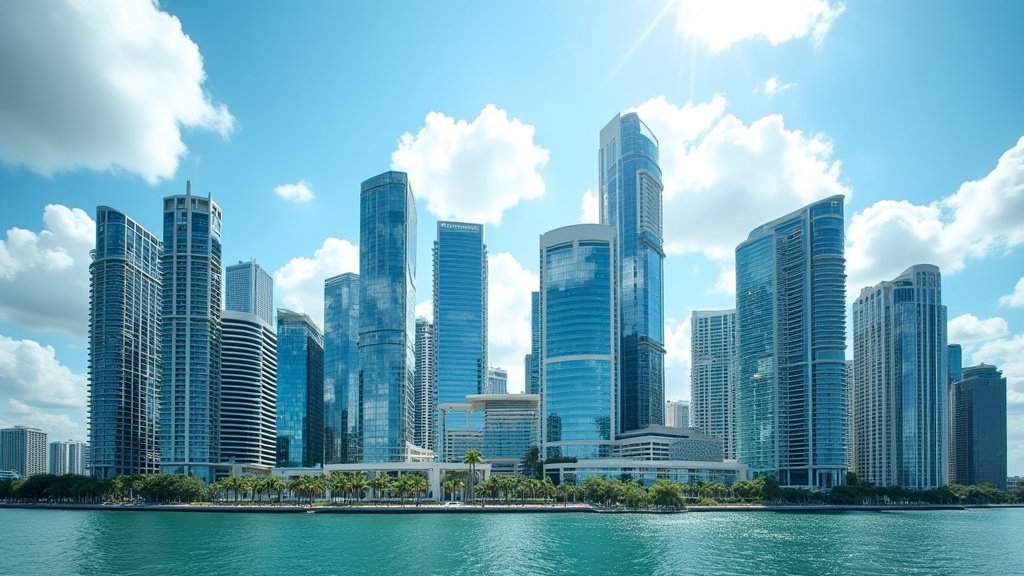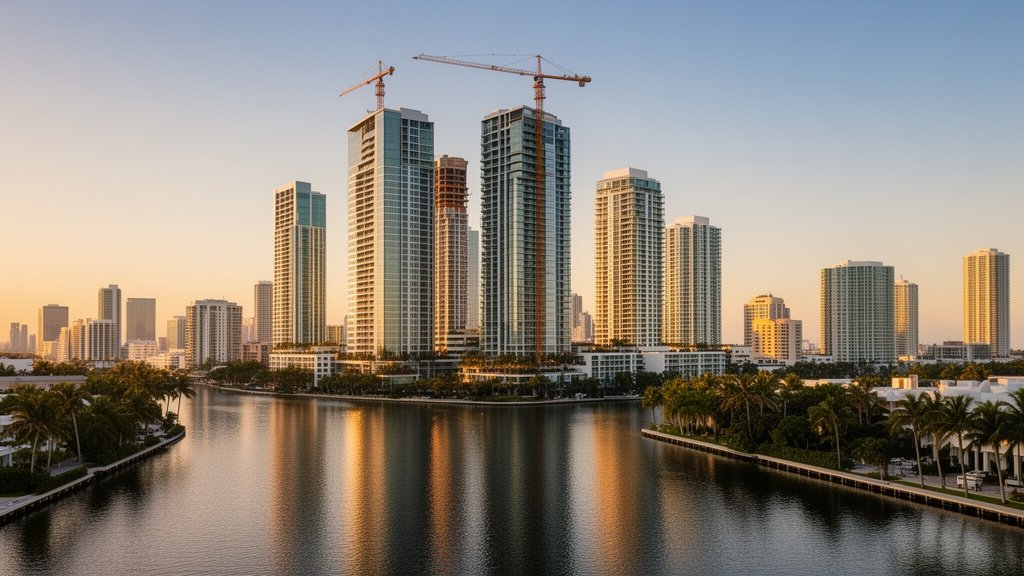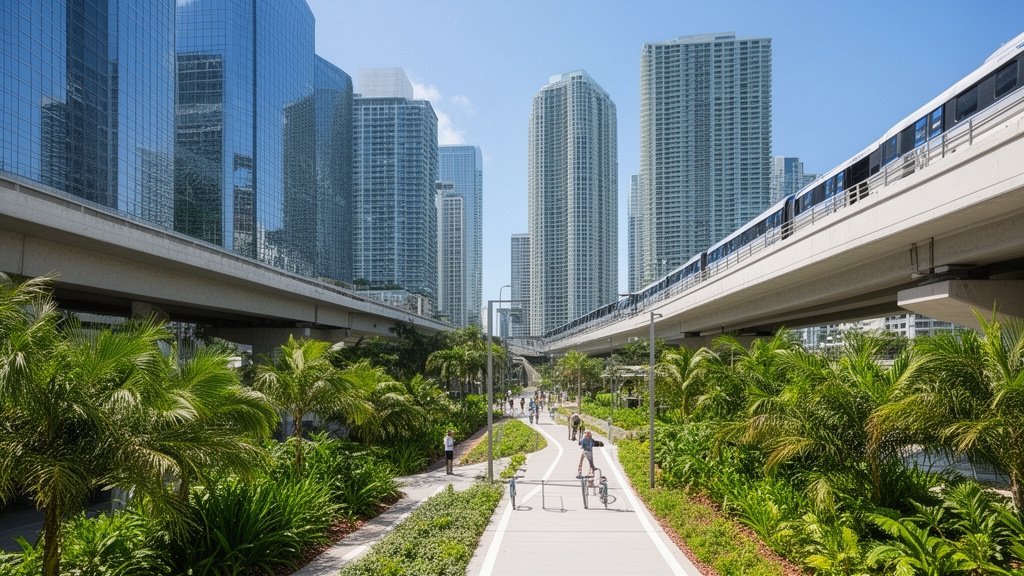
The narrative of Miami has shifted definitively from a transient playground to a permanent global anchor. As the city matures into a critical financial and technological hub, it is experiencing a unique temporal compression—a phenomenon where the leisurely pace of its historic tropical identity is colliding with the hyper-accelerated cadence of modern high-finance and urban development. This synthesis is not merely changing the skyline; it is fundamentally altering the city’s role in the global economy. By balancing rapid, future-facing growth with a deep-rooted cultural heritage, Miami is effectively rewriting the playbook for what it means to be a 21st-century metropolis.
Key Highlights:
- Miami-Dade County has witnessed a surge in population, exceeding 2.7 million residents, driven by a consistent migration of high-net-worth individuals and corporate relocations.
- The Miami Downtown Development Authority (DDA) reports significant tax base growth, driven largely by the influx of financial services and tech firms moving into the Brickell corridor.
- Infrastructure investment is at an all-time high, with projects like The Underline—a 10-mile linear park—serving as a model for integrating urban mobility with public space.
- PortMiami, the ‘Cruise Capital of the World,’ has undergone a multi-billion dollar modernization, solidifying its status as a critical gateway for global trade and logistics.
- The city’s economic identity is diversifying, moving beyond its traditional dependence on tourism to becoming a resilient nexus of international commerce and innovation.
The Elastic Metropolis: Miami’s Redefinition of Urban Tempo
For decades, Miami was viewed through the lens of seasonal rhythms—winter migrations, slow-paced resort life, and a focus on leisure. However, the current reality of the city is defined by what economists are calling the ‘Elastic Metropolis.’ This refers to the city’s ability to stretch and accommodate rapid commercial development while maintaining the vibrant, Caribbean-influenced cultural pulse that initially made it famous. This elasticity is most visible in the Brickell Financial District, often dubbed the ‘Wall Street of the South.’
The Financial Rebirth and Tech Migration
The migration of capital to Miami is not merely anecdotal; it is structural. According to data tracked by the Miami Downtown Development Authority (DDA), the valuation of downtown real estate has seen double-digit growth annually as firms seek proximity to both Latin American markets and robust tax-favorable environments. This influx has shifted the city’s internal clock. The traditional ‘season’—formerly defined by tourist calendars—has been replaced by a 12-month cycle of business activity. Companies are not just setting up satellite offices; they are moving headquarters, attracted by a workforce that is increasingly young, educated, and globally mobile. The ‘time’ in Miami now matches the closing bell of the NYSE, creating a synchronization between this tropical latitude and the global financial machine.
Infrastructure: The Arteries of the Future
As the city’s economic velocity increases, so too does the complexity of its urban planning. The development of The Underline, a massive $120 million linear park and urban trail running underneath the Metrorail, is a prime example of this future-facing strategy. It is not just a beautification project; it is a vital piece of infrastructure designed to manage density and promote non-vehicular connectivity in a city long plagued by gridlock. Simultaneously, PortMiami’s massive expansion—incorporating world-class cold storage and automated logistics—has ensured that the city remains the primary bridge between the United States and the emerging markets of the Caribbean and South America. These developments represent a commitment to longevity, ensuring that the ‘pulse’ of the city remains sustainable even as it scales.
A Cultural Synthesis: The Global Bridge
Miami’s unique position as the Gateway of the Americas provides it with a competitive advantage that few other U.S. cities possess. It functions as a cultural and linguistic blender, allowing it to move fluidly between Anglo-American business norms and Latin American relational business cultures. This is not just about trade; it is about human capital. The influx of international talent has resulted in a renaissance of the arts and culture sector, evidenced by the success of Art Basel Miami Beach, which has transformed from a seasonal event into a year-round driver of cultural prestige. By weaving this high-culture output into the fabric of its urban development, Miami ensures that its growth is not sterile or purely transactional, but rather anchored in the creative energy that defines its historical identity.
FAQ: People Also Ask
Q: What are the primary factors driving Miami’s economic growth in 2024?
A: Miami’s growth is driven by a combination of corporate relocations, a favorable tax climate for high-net-worth individuals, and its strategic position as a gateway between the U.S. and Latin American markets.
Q: How is the ‘temporal rhythm’ of Miami changing?
A: The city is transitioning from a seasonal tourism-based economy to a year-round hub of global finance and technology, creating a faster, more consistent pace of economic activity.
Q: What is the significance of the ‘The Underline’ project?
A: The Underline is a key urban infrastructure project that converts land under the Metrorail into a public park and trail, aiming to improve urban mobility, increase green space, and reduce traffic congestion in the city center.
Q: Is Miami effectively managing its population growth?
A: While rapid growth presents challenges, the city, through initiatives led by the Miami-Dade County government and the DDA, is prioritizing infrastructure projects like transit upgrades and resilient urban planning to accommodate the influx.