Protests have erupted across Cuba as widespread and prolonged power outages continue to plague the island nation, fueling public anger and desperation. Citizens are taking to the streets to demand immediate solutions to the persistent blackouts that have disrupted daily life and crippled essential services for weeks.
Key Highlights:
- Nationwide demonstrations against ongoing power outages.
- Public frustration mounts over prolonged blackouts affecting daily life.
- Calls for government intervention and restoration of electricity.
- Protests highlight broader discontent with economic conditions.
- Authorities respond to increasing public pressure.
Cuba Plunged into Darkness: The Mounting Crisis
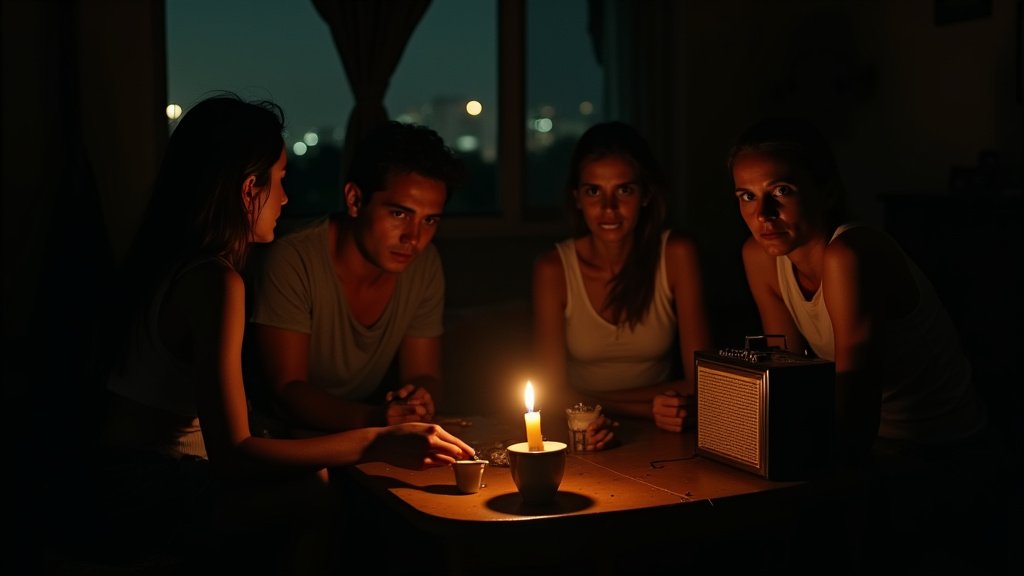
The persistent and deepening energy crisis in Cuba has reached a boiling point, triggering significant public demonstrations across the island. For an extended period, residents have been subjected to relentless power outages, plunging homes, businesses, and critical infrastructure into darkness for hours on end, sometimes days. This chronic instability in the electrical grid has moved beyond mere inconvenience to become a full-blown national crisis, exacerbating existing economic hardships and fueling widespread discontent. The government’s response has so far been perceived as insufficient, leading citizens to take matters into their own hands through vocal public protest.
Roots of the Outages
The current energy predicament is a complex interplay of factors. Cuba’s aging power infrastructure, heavily reliant on imported fuel, is particularly vulnerable to global market fluctuations and supply chain disruptions. Years of underinvestment in maintenance and modernization have left the grid susceptible to breakdowns. Compounding these internal issues, the ongoing U.S. embargo continues to impede access to necessary equipment, spare parts, and financial resources required for essential upgrades. Recent explanations from state officials have pointed to a combination of technical failures at thermoelectric plants, insufficient fuel reserves, and increased demand during the hot summer months. However, critics argue that a lack of transparency and a failure to diversify energy sources, including renewables, have made the situation far worse than it needed to be.
The Human Cost of Blackouts
The impact of these perpetual power cuts extends far beyond darkened streets. For ordinary Cubans, the lack of electricity disrupts fundamental aspects of life. Refrigeration is compromised, leading to food spoilage and increased economic strain. Essential medical equipment in homes becomes unusable, posing serious risks for those with chronic conditions. Educational activities are hampered, with students unable to study or access online resources. Small businesses, the backbone of a struggling economy, face significant losses as operations are repeatedly halted. The psychological toll of living under such unpredictable and stressful conditions is also immense, with many reporting feelings of exhaustion, frustration, and hopelessness.
Escalating Protests and Government Response
Recent weeks have seen an unprecedented surge in public protests. Unlike previous, more localized demonstrations, the current wave of unrest appears more widespread, with reports of gatherings in Havana, Santiago de Cuba, and smaller towns alike. Chants of “¡En மின்சாரம் ya!” (Electricity now!) and “¡Libertad!” (Freedom!) have echoed through the streets, reflecting not only frustration over the blackouts but also a broader desire for systemic change. The government, under President Miguel Díaz-Canel, has acknowledged the severity of the crisis and pledged to address the power issues. State media has reported on efforts to repair damaged plants and secure additional fuel supplies. However, the tangible results have been slow to materialize, and the security forces have been visibly present at protest sites, raising concerns about potential crackdowns and the suppression of dissent.
Economic and Political Repercussions
The energy crisis is inextricably linked to Cuba’s broader economic challenges. The country has been grappling with a severe economic downturn exacerbated by the COVID-19 pandemic, declining tourism, and the continued effects of the U.S. embargo. The blackouts further disrupt economic activity, deter potential investment, and strain the government’s ability to provide basic services. Politically, the protests present a significant challenge to the ruling Communist Party, testing its control and its ability to manage public discontent. The government’s handling of this crisis could have long-term implications for its legitimacy and stability.
FAQ: People Also Ask
What is causing the widespread power outages in Cuba?
The power outages are caused by a combination of factors including the aging and deteriorating state of Cuba’s thermoelectric power plants, a shortage of fuel, increased demand during hot weather, and the impact of the U.S. embargo on the import of necessary parts and maintenance.
How long have the power outages been occurring?
While power interruptions are a recurring issue in Cuba, the current spate of widespread and prolonged blackouts has been particularly severe over the past several weeks and months, intensifying in recent times.
What are the consequences of these blackouts for Cubans?
The blackouts have severe consequences, including spoiled food, difficulties in refrigeration, disruption to businesses and economic activity, challenges for those relying on electricity for medical equipment, and a general decline in the quality of daily life.
What has been the government’s response to the protests?
The Cuban government has acknowledged the energy crisis and stated its commitment to resolving it. They have reported on efforts to repair power plants and secure fuel. Security forces have been deployed to monitor and manage protest sites.
Are these protests related to other issues in Cuba?
While the immediate trigger for the protests is the persistent power outages, they also reflect deeper public frustration with the country’s economic situation, shortages of goods, and broader political and social conditions.