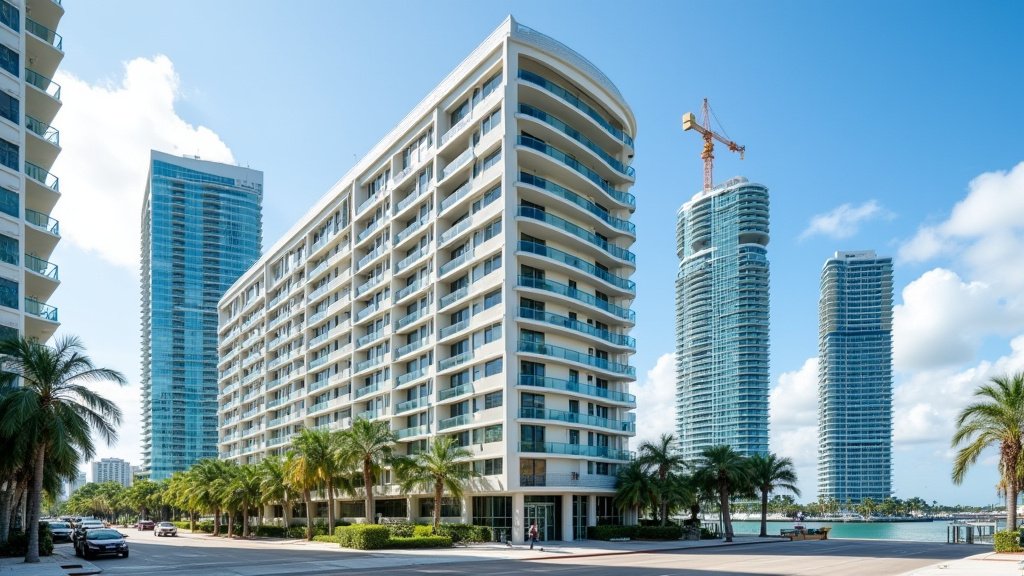
South Florida is grappling with a severe housing crisis, leaving even the children of long-term residents unable to afford to live in the region they grew up in. This opinion piece dives into the escalating costs and the profound social implications of this affordability gap.
Key Highlights:
- Skyrocketing housing costs in South Florida are pushing out younger generations.
- The inability of adult children to live near their parents is straining family ties and community structures.
- The issue is a complex interplay of supply, demand, investment, and policy.
- The article argues for urgent, innovative solutions to prevent a complete demographic shift.
The Generational Divide: When Home Becomes Unreachable
South Florida’s vibrant allure, once a draw for all, is now a gilded cage for many of its own. The escalating cost of housing has reached a critical juncture where the very children who grew up under the warm Florida sun find themselves priced out of their own hometowns. This isn’t merely an economic inconvenience; it’s a profound societal fracture, severing familial bonds and eroding the fabric of communities. The dream of proximity to aging parents, of raising one’s own family in a familiar environment, is becoming an unattainable luxury. This opinion piece examines the multifaceted crisis, exploring its roots and its far-reaching consequences.
The Economic Engine Stalls for Families
The core of the problem lies in a relentless surge in housing prices, far outpacing wage growth for the average Floridian. Factors such as increased demand from out-of-state buyers, limited new construction, and the growing influence of real estate investment trusts (REITs) have artificially inflated the market. For young families and individuals starting their careers, the median home price in many South Florida counties is a formidable, often insurmountable, barrier. Even a modest apartment rental can consume an unsustainable portion of their income, leaving little for savings, emergencies, or the simple act of building a stable life. This economic pressure forces difficult choices, often leading to the painful decision to relocate, leaving behind not just a house, but a life, a support system, and a heritage.
Societal Ripples: Beyond the Balance Sheet
The repercussions extend far beyond individual financial struggles. When adult children are forced to move, the intricate network of familial support begins to unravel. Grandparents may lose regular contact with grandchildren, diminishing crucial intergenerational connections. The community loses its diversity as long-term residents, often those who have contributed to its character for decades, are replaced by wealthier newcomers. This can lead to a homogenization of culture and a loss of local identity. Furthermore, essential workers – teachers, healthcare providers, service industry staff – who are vital to the functioning of South Florida, often find themselves priced out, exacerbating labor shortages and impacting the quality of public services.
Policy Paralysis and the Need for Innovation
While the problem is widely acknowledged, effective solutions have been slow to materialize. Existing policies often fall short, entangled in bureaucratic complexities or lacking the scale to address the crisis. Some proposed solutions, like rent control, face significant opposition and may have unintended consequences. The article implicitly calls for a bold reimagining of housing policy, one that prioritizes long-term residents and community well-being. This could involve exploring innovative housing models, such as co-living initiatives, increased investment in affordable housing development, stricter regulations on speculative real estate investments, and potentially, new forms of community land trusts. The challenge requires a multi-pronged approach that balances market forces with social responsibility.
FAQ: People Also Ask
Why are South Florida housing prices so high?
South Florida’s housing prices are driven by a combination of high demand, limited supply, significant investment from out-of-state and international buyers, and a shortage of new construction that can keep pace with population growth. The region’s desirable climate and lifestyle also contribute to its appeal, further inflating costs.
What is the impact of adult children not being able to afford to live in South Florida?
This situation strains family relationships, reduces the availability of local support networks for aging parents, and can lead to a loss of community diversity and local identity. It also contributes to labor shortages as essential workers are priced out of the region.
Are there any government initiatives to address housing affordability in South Florida?
Various local and state government initiatives aim to address housing affordability, including affordable housing development programs, rental assistance, and some zoning reforms. However, the scale of the crisis often outpaces the effectiveness of current measures.
What are potential solutions to the South Florida housing crisis?
Potential solutions include increasing the supply of diverse housing types, implementing more aggressive affordable housing policies, regulating real estate speculation, exploring community land trusts, and incentivizing wage growth that keeps pace with living costs.
How does the influx of remote workers and retirees affect housing prices?
The influx of remote workers and retirees, who often have higher incomes or significant savings, further increases demand for housing, especially in desirable areas. This competition for limited housing stock exacerbates the affordability challenges for local, lower and middle-income residents.