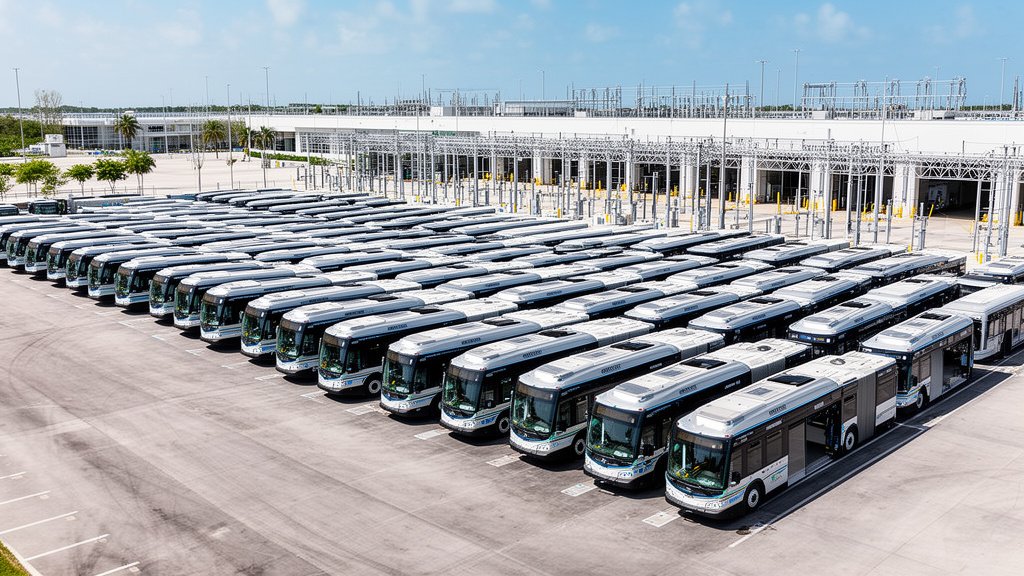
A massive infrastructure gamble has turned into a fiscal nightmare for Miami-Dade County, as local officials consider scrapping a fleet of 75 electric buses deemed largely dysfunctional. The $72 million investment now sits at the center of a contentious legal battle, forcing the county to scramble for federal guidance on how to offload the hardware without incurring further financial penalties. What began as a marquee initiative to modernize public transit and reduce the county’s carbon footprint has stalled, leaving taxpayers and officials to grapple with the fallout of what critics are calling a textbook case of failed technological implementation.
The High Cost of Green Ambition
In recent years, Miami-Dade County, like many municipalities across the United States, aggressively pursued the electrification of its public transit fleet. The vision was clear: replace aging, diesel-chugging buses with a clean, efficient, and modern fleet powered by electricity. With a substantial $72 million price tag, the county procured 75 electric buses from Proterra, a company once hailed as the vanguard of the electric bus industry. The project was heavily subsidized by grants, including significant funding from the Federal Transit Administration (FTA), which set specific expectations regarding the lifespan and operational performance of these vehicles.
However, the reality of the implementation fell drastically short of the promise. Almost immediately upon delivery and deployment, the buses began suffering from a cascade of mechanical and electrical failures. From battery degradation that significantly reduced the vehicles’ range to charging infrastructure that failed to integrate seamlessly with the existing electrical grid, the fleet became more of a hindrance than a transportation solution. Instead of serving routes and moving commuters, these buses spent an inordinate amount of time in maintenance bays, racking up repair costs rather than miles.
The Proterra Collapse and Supply Chain Fallout
Compounding the mechanical failures was the sudden corporate instability of the manufacturer. Proterra, the company responsible for both the bus technology and the specialized charging equipment, filed for Chapter 11 bankruptcy in August 2023. This move sent shockwaves through transit agencies nationwide, but nowhere was the impact felt more acutely than in Miami-Dade.
For the county, the bankruptcy meant that the specialized technical support required to diagnose and repair the failing fleet essentially evaporated. The warranty obligations and software updates critical for keeping the buses operational were suddenly in limbo. While Phoenix Motorcars eventually acquired Proterra’s transit business, the transition has been far from smooth for existing clients. The county now finds itself in the position of trying to sue a bankrupt entity while attempting to salvage a fleet that is increasingly viewed as unrepairable “lemon” hardware.
Legal Battles and Contractual Deadlocks
At the heart of the current crisis is a multi-layered legal dispute. Miami-Dade County officials are actively suing the contractor, alleging a breach of contract regarding the performance and reliability of the vehicles. The county contends that the buses failed to meet the rigorous performance standards promised at the time of the procurement.
Furthermore, the county is stuck in a bureaucratic quagmire with the Federal Transit Administration. Because the buses were purchased using federal grant money, there are strict rules about how, when, and under what conditions the assets can be disposed of. Selling them as scrap, repurposing them, or selling them to a third party requires federal sign-off. If the county scraps the buses prematurely without proper authorization, they risk having to pay back millions in grant funds, creating a “double-penalty” scenario where the county loses both the initial investment and the federal funding.
The Infrastructure Gap: Why Charging Failed
It is crucial to note that the issue is not limited to the buses themselves; the charging infrastructure has been equally problematic. The DTPW (Department of Transportation and Public Works) encountered massive hurdles when attempting to synchronize the high-voltage demands of the Proterra buses with the county’s electrical grid.
The infrastructure required to charge these buses overnight was not merely a set of plug-ins; it involved complex, utility-grade equipment that often suffered from overheating and software communication failures. When the bus and the charger failed to “handshake”—the digital protocol required to initiate a safe charge—the buses remained dead on the lot. This synergy failure rendered a large portion of the fleet effectively unusable even on days when the buses were mechanically sound.
Future Implications and Policy Lessons
This debacle serves as a cautionary tale for other urban centers. As the federal government pushes for widespread electrification of transit, the Miami-Dade case highlights the dangers of being an “early adopter” of unproven technology. The transition requires more than just buying vehicles; it demands a robust ecosystem of repair, specialized labor, and reliable charging infrastructure that can survive corporate volatility.
For Miami-Dade, the path forward is difficult. The county must now balance the need to modernize transit with the immediate fiscal reality of a $72 million write-off. Future procurements will likely face far more stringent testing and performance clauses, and the relationship between public transit agencies and EV manufacturers will require much stronger contractual protections against corporate insolvency. As the county seeks guidance from the FTA, the hope is that they can clear the lots of these idle vehicles and pivot back to a strategy that prioritizes reliability over pure technological idealism.
FAQ: People Also Ask
1. Can the Miami-Dade electric buses be retrofitted with new parts?
Technically, yes, but the costs associated with retrofitting these specific models are estimated to be so high that it is economically unfeasible. The county is prioritizing finding a way to offload the assets rather than pouring more capital into a failed hardware design.
2. Is the federal government helping to pay for the losses?
No. The Federal Transit Administration provided the original grant money for the purchase. The county is currently seeking guidance on disposal, but they are not receiving compensation for the losses incurred due to the equipment failure.
3. Will this affect Miami-Dade public transit schedules?
Transit officials have stated they are managing the fleet to ensure service levels are maintained using existing diesel and hybrid assets, but the inability to deploy the intended electric fleet prevents the county from expanding services or meeting their sustainability goals as quickly as planned.
4. What happens if the county just destroys the buses?
If the county disposes of these assets without following the specific “disposition” procedures required by the Federal Transit Administration, they risk being forced to repay the federal grant funds, which would significantly worsen the financial impact of this failure.